Home Blog Page 1203

I’m worth more than $1M to compose for any political party -D-Cryme

0
Dr Cryme

Ghanaian musician D-Cryme has recently stated that he will not compose a song for any political party regardless of how attractive the deal would be. He revealed this in an interview with Abeiku Santana on UTV’s Atuu Show.

According to him, he would reject a million-dollar offer to compose a song for any political party. During the interview, D-Cryme made it clear that his music is for the people of Ghana and that he values integrity over financial gain.

“I am a Ghanaian, and I will not make a song for a party. You know the deals—I’m worth more than that,” D-Cryme said confidently. He went on to describe himself as a “quadruple, zillion-dollar artist”.

He also explained that while negotiations for any collaboration would involve significant numbers, his loyalty remains with the people of Ghana.

“If I want to do a song, and it’s a negotiation, you’d see the numbers with plenty zeros,” he added.

While D-Cryme stands firm in his decision to avoid political affiliations, other Ghanaian musicians have taken a different route, signing deals with political parties during campaign seasons. One notable example is highlife legend Daddy Lumba, who composed campaign songs for the New Patriotic Party (NPP) in the 2008 elections.

Credit: pulse.com.gh

How to Lower Your Blood Sugar

0

Blood sugar is your body’s main source of energy, but chronically elevated levels are the cause of diabetes, which can cause serious health problems. Knowing how to lower your blood sugar is not only important for people with diabetes, but also for anyone who wants to maintain good health. Fortunately, there are many different things you can do to lower your blood sugar, such as getting some exercise, eating the right foods, and taking medication, if necessary.

Eat More Fiber

Fiber is a complex carbohydrate that your body doesn’t absorb or break down into glucose, so it doesn’t cause your blood sugar to skyrocket after a meal. It has many other benefits, such as improving digestion and making you feel full, so you eat less food. Fiber seems to protect your heart and prevent colon cancer, too.

There are two types of fiber, called soluble (which dissolves in water) and insoluble (which doesn’t). Soluble fiber is a champ when it comes to controlling blood sugar.

Stay Active All Through the Day

Generally staying active throughout the day is a great way to keep your blood sugar under control. When you get up and go, your body produces energy by burning sugar that you have stored away in your muscles and liver. When those reserves start to run low, your body rebuilds them by taking sugar out of your blood. The more you exercise, the lower your blood sugar goes.

Of course, if you have diabetes, it’s essential to check your blood sugar before, during, and after a session of exercise to make sure it’s in the safe zone. You should stop exercising if you feel symptoms of low blood sugar, such as feeling jittery, dizzy, or weak.

Most adults should try to get at least 150 minutes of moderate-intensity physical activity (such as brisk walking, water aerobics, or gardening) each week. If you prefer a more vigorous workout, such as running or swimming, getting at least 75 minutes of activity per week is a good goal. But you can add short bursts of physical activity into your day with some simple strategies:

  • Take the stairs instead of the elevator.
  • Ride your bicycle to the market instead of driving.
  • Skip the Zoom meeting and go for a walk with a colleague to discuss business.
  • Walk in place while you watch your favorite TV show.

Take a Walk After Meals

Your blood sugar naturally rises for 30 to 90 minutes after you eat a meal. One proven way to keep that spike to a minimum is to drop your napkin, lace up your walking shoes, and take a stroll. In fact, a recent study, published in the journal Nutrition, Metabolism and Cardiovascular Diseases, found that as little as 3 minutes of walking after a meal helped prevent a rise in blood sugar (although in that trial people walked up and down stairs).

Also, the study showed that 10 minutes was even better, since the bodies of the people in the study became more sensitive to insulin, the hormone that stores blood sugar in cells. The message is simple: Don’t collapse on the sofa with a book or the remote control after a meal. Instead, taking a few laps around the block can help keep your blood sugar under control.

Stay Hydrated

When you don’t drink enough water or other fluids, you can become dehydrated. That causes the water level in your blood to drop, which makes your blood sugar more concentrated. This shift in your blood’s ratio of sugar to water will cause your blood glucose numbers to increase.

Studies have shown that dehydration makes it harder for people with diabetes to manage their blood sugar. If you have diabetes, keep in mind that feeling very thirsty can be a sign that your blood sugar levels are too high and have probably been that way for a long time.

There’s no magic number for how many glasses of water you should drink every day, but some experts say that at least four to six cups of plain water is a good daily goal for most people who are considered healthy. Drink more on hot days or when you exercise (before, during, and after if it’s a long workout). One sign that you’re not drinking enough fluids: Your pee will likely turn darker.

Try to Lose Weight

If you’re overweight or obese, losing some weight can have some important health benefits, such as lowering your risk of heart disease and other medical conditions. But losing even a small amount of weight can also help you manage your blood sugar.

Weight loss has an important effect on insulin, the hormone that allows your cells to use blood sugar for energy. Shedding some pounds helps your body use insulin more effectively, which makes your blood sugar levels go down. If you have type 2 diabetes and use medication to control your blood sugar, losing weight could allow you to lower your dose or maybe even stop taking one of your medicines.

Losing just 5% of your body weight can help you keep your blood sugar under control. Ask your doctor to help you choose a weight target and create a diet plan that you can stick with.

Manage Your Sleep

If you’re struggling with sleep, studies show that getting more rest can help you get better control of your blood sugar, whether or not you have diabetes. Simple strategies like avoiding electronics before bedtime and putting blackout shades on your windows to keep your bedroom dark can help you get better rest. But if they don’t work, talk to your doctor, who can find out if you have a sleep disorder and recommend a solution.

Take Your Medications on Time

If you use diabetes medication of any kind, the treatment your doctor recommends is designed to keep your blood sugar in a healthy range – not too high, not too low. Achieving that goal calls for you to take your medicine consistently and at the right time of day. Studies show that missing even a single dose of insulin can significantly decrease the amount of time your blood sugar is in the healthy range.

If you’re missing doses of medications that you need to keep your blood sugar under control, talk to your doctor. They can recommend ways to keep up with your treatment or possibly switch you to a medication that you’ll find easier to take.

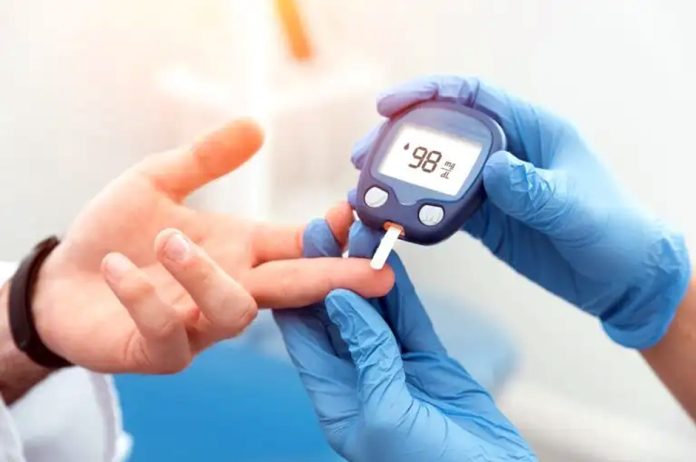
Monitor Your Blood Sugar Levels

If you have diabetes, monitoring your blood sugar levels is of the utmost importance. Using a tool to track your “numbers” creates a track record of your blood sugar levels. Your doctor can use that data to find out if your treatment plan is working or needs to be adjusted to keep your blood sugar in the healthy range. If you have type 1 diabetes, you need to monitor your blood sugar frequently throughout the day, such as when you eat, exercise, or go to bed.

Credit: webmd.com

Feature: A Woman’s Worth; Beyond A Baby Bump

0

“I’m barren,” they whispered. “She can’t give birth.”These words, cruel and cutting, have followed Angelina Addison for years. At just 37 years old, she lives under the weight of a diagnosis that shattered her world and stripped her of the one dream she had always cherished, becoming a mother.

“The words cut deep, like a knife twisting in my soul,” she recalls, her voice cracking with emotion. “Tears stream down my face as I remember the day the doctor said, ‘You’ll never be a mother.'”

For Angelina, life has become a whirlwind of grief, isolation, and stigma.

It is a story that many women, especially in traditional communities, are forced to live trapped by societal expectations and whispers, their womanhood questioned by a diagnosis beyond their control.

The Diagnosis

Angelina’s journey into motherhood began with hope. She and her husband had been married for nine years, dreaming of the day they would hold their own child.  But that day never came. After years of trying to conceive with no success, Angelina and her husband sought help from a doctor.

The diagnosis was swift and crushing, Polycystic Ovary Syndrome (PCOS), a condition that affects a woman’s ability to conceive naturally.

“I felt like my world crashed,” Angelina remembers. “The doctor’s words kept echoing in my mind, ‘Your chances of conception are slim.’ I collapsed, my heart shattered into a million pieces.” Angelina tried to hold onto hope, but the enormity of the diagnosis felt insurmountable.

Her husband, always by her side, tried to comfort her. “He held me tight and whispered, ‘We’ll face this together.’ But deep down, I couldn’t shake the feeling of inadequacy,” Angelina admits

“Was I less of a woman? Was I unworthy of love?”

The Stigma of Infertility

In Angelina’s community in Jamestown, Accra, women are often defined by their ability to bear children.

A woman who cannot conceive is seen as flawed, defective even cursed.

This stigma has become a constant source of pain for Angelina, intensifying her emotional suffering. “In my community, infertility is seen as a curse,” she says. “People whisper behind my back, asking, ‘Why can’t she conceive? Is she cursed?’ Their words pierce my soul.”

These whispers have followed her everywhere, making Angelina feel like a stranger in her own skin. “I feel like I’m living in a nightmare,” she says. “No matter where I go, I can’t escape the judgment.”

This judgment doesn’t just come from neighbors or acquaintances. The pressure extends to Angelina’s marriage as well.

Her husband’s family, desperate for a grandchild, has suggested that he take another wife one who can give him the children Angelina cannot.

“I feel like I’m losing him, like I’m not enough,” she says. “Our marriage is strained, the tension is palpable.”

A Life in Isolation

Angelina’s struggle has also isolated her from the world around her. Once a lively, outgoing woman, she now avoids social gatherings, especially those that involve pregnant women or babies.

“The pain is too much,” she says. “I feel like I’m living in darkness, unable to find the light.”

The isolation has taken a toll on her mental health. “Some days, I can’t even get out of bed,” she admits. “The weight of my infertility crushes me. It feels like I’m drowning in a sea of despair.”

The Financial Strain of Fertility Treatments

As if the emotional and psychological toll weren’t enough, Angelina and her wife have also faced the financial burden of infertility.

Desperate for a chance at motherhood, the couple has spent their savings on fertility treatments. “We’ve spent everything we have,” Angelina says. “The debt keeps mounting, and we’re trapped in a cycle of treatments, hopes, and disappointments.”

The financial strain has only deepened their desperation, as each failed attempt at conception adds another layer of heartbreak. “It’s like we’re paying for our dreams to shatter again and again,” she says.

Despite the pain, Angelina finds strength in her husband’s unwavering support. “My husband’s love keeps me going,” she says.

“He tells me, ‘You’re not alone, Angelina. We’ll face this together.’ Those words give me the strength to carry on, even when I feel like giving up.”

But while her husband’s love sustains her, the stigma of infertility still looms large. Angelina longs for acceptance not just from her community, but from herself.

“I want to be seen as more than my ability to have children,” she says. “I want to be accepted for who I am, as a woman, regardless of whether I can conceive.”

A Call for Change

Angelina’s story is not unique. Across many communities, women are subjected to the same painful stigmas, the same isolation, the same judgment. But Angelina refuses to let her story be defined by whispers or shame. Instead, she hopes her journey will inspire change.

“Infertility is not a curse. It’s a medical condition,” she says firmly. “We need to break the silence, to educate others and end the stigma that surrounds infertility. Women deserve to be seen for more than just their ability to bear children. We deserve dignity.”

“I Am More Than My Infertility”

As Angelina moves forward with her life, she remains hopeful that her story will help others understand the pain of infertility, and perhaps shift the conversation around what it means to be a woman.

“I am Angelina. I am a woman. I am worth and I want the world to know that I am more than my infertility. We all are,” she affirms.

In Ghana, where family and motherhood are deeply ingrained in cultural identity, the experience of infertility can be a silent and isolating struggle.

With an estimated 15-20% of couples facing infertility challenges, the societal implications are profound.

As the numbers rise, so too does the urgency to address the stigma that surrounds this deeply personal issue.

According to a 2019 study by the Ghana Health Service, approximately 30% of married women aged 15-49 experience infertility, often linked to medical conditions such as polycystic ovary syndrome (PCOS), sexually transmitted infections, and other reproductive health issues.

Infertility is not merely a medical issue; it is often viewed through the lens of cultural beliefs that place immense pressure on women to conceive. In many Ghanaian communities, a woman’s worth is tied to her ability to bear children.

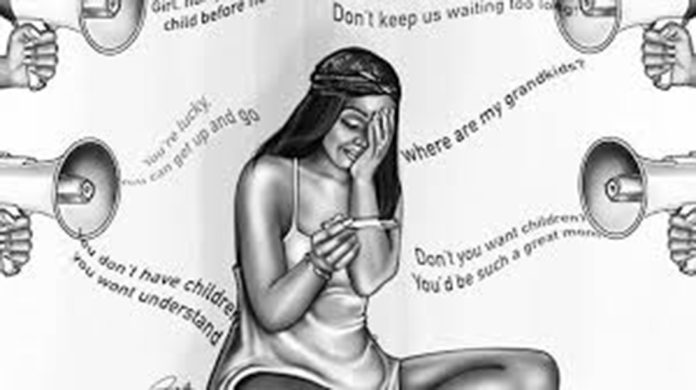
The stigma surrounding infertility in Ghana is palpable. Women facing infertility often endure a barrage of questions and gossip. Phrases like “What’s wrong with her?” or “Is she cursed?” are common, creating an environment of shame and isolation.

A report from the International Journal of Gynecology & Obstetrics highlighted that many women experiencing infertility suffer not only from the physical aspects of their condition but also from emotional distress, including depression and anxiety.

This stigma is further exacerbated by familial pressure. Many women find themselves facing demands from their in-laws to produce children, leading to marital strain and, in some cases, divorce.

Research indicates that about 30% of men in Ghana believe it is their right to seek additional wives if their partner is unable to conceive, adding another layer of anxiety for women navigating infertility.

Despite the pervasive stigma, there is a growing movement to challenge these narratives and provide support for those affected by infertility. Advocacy groups are emerging, working to raise awareness and educate communities about the medical realities of infertility.

These organizations emphasize that infertility is a medical condition rather than a personal failing, encouraging open conversations that can break the cycle of shame.

Seeking Solutions

Access to infertility treatments in Ghana remains limited, with many couples unable to afford services like in vitro fertilization (IVF).

The cost of these treatments can range from $1,500 to $5,000, a substantial amount for many families. As a result, only a small percentage of couples can pursue these options, leaving many to grapple with their infertility in silence.

Governmental and non-governmental organizations are beginning to address these issues by providing financial assistance and increasing the availability of reproductive health services.

Initiatives aimed at integrating infertility treatments into existing healthcare frameworks are crucial steps toward alleviating the burden faced by couples.

Changing the Narrative

The narrative around infertility in Ghana is slowly beginning to change. More women are sharing their stories, fostering a sense of community and solidarity among those affected.

Social media platforms have become spaces for these conversations, allowing women to connect, share experiences, and find support outside of their immediate communities.


Cagliari score late spot-kick to draw with Juventus

0
Cagliari players jubilate

Juventus were reduced to 10 and conceded for the first time this season in Serie A as a late Razvan Marin penalty snatched a 1-1 draw for Cagliari.

Dusan Vlahovic put Juve ahead with a penalty of his own in the 15th minute on Sunday.

Sebastiano Luperto, making his 150th appearance in Serie A, had been judged to have handled in the area after a VAR check.

Despite dominating the ball, with 73.7% possession, Juve were unable to find a decisive second goal, with Vlahovic guilty of squandering a fantastic chance in the 79th minute and they were made to pay when Marin converted from the spot after Douglas Luiz fouled Roberto Piccoli.

Juve’s frustration was compounded when Francisco Conceicao picked up his second yellow card in the 89th minute, with the post then denying Adam Obert a last-gasp winner for Cagliari.

Juve were rocked by a season-ending injury to defender Bremer this week, albeit they looked largely untroubled until the late penalty drama.

Marin’s penalty was the first time Juve have conceded in Serie A in 755 minutes of action.

Thiago Motta will lament some wasteful finishing, with Juve having 21 shots and wasting most of them.

Credit: sportsmax.tv


Carvajal injured as Real Madrid secure win over Villarreal

0
Carvajal injured

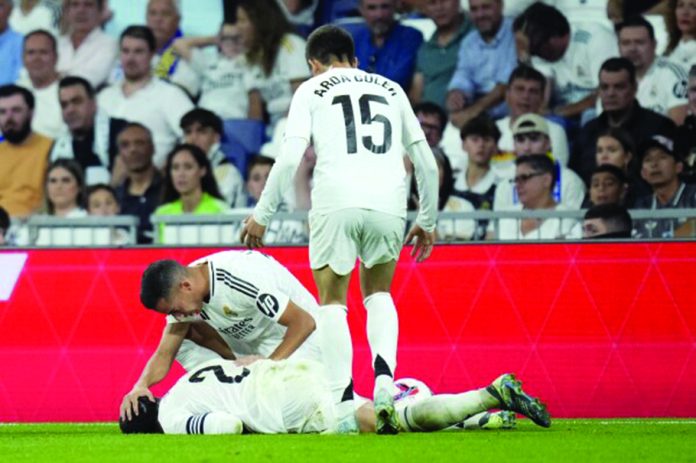
Dani Carvajal has confirmed he will need surgery after suffering a “serious” cruciate ligament injury in Real Madrid’s 2-0 win over Villarreal at Estadio Santiago Bernabeu. The Spain right-back was left screaming in agony after seemingly over-extending his knee in a collision with Yeremy Pino in added time, and was carried off the pitch on a stretcher in tears.

The La Liga side said that Brazil forward Vinicius Junior had suffered a neck injury and his “progress will be monitored”.

Real’s victory came after a shock defeat by Lille in the Champions League on Wednesday.

Federico Valverde gave Real the lead in the 14th minute. Vinicius Junior made sure of the victory with 17 minutes left to play, launching a fierce effort from long range into the top corner.

Real had further chances to increase their lead but Antonio Rudiger sent a header over the bar and England international Jude Bellingham’s long-range effort sailed wide of the post.

Ancelotti’s side are now undefeated in 41 La Liga matches (W30 D11), the second best unbeaten streak by a team in the entire history of the competition.

Credit: bbc.com

Lewandowski scores hat-trick as Barcelona win at Alaves

0
Robert Lewandowski

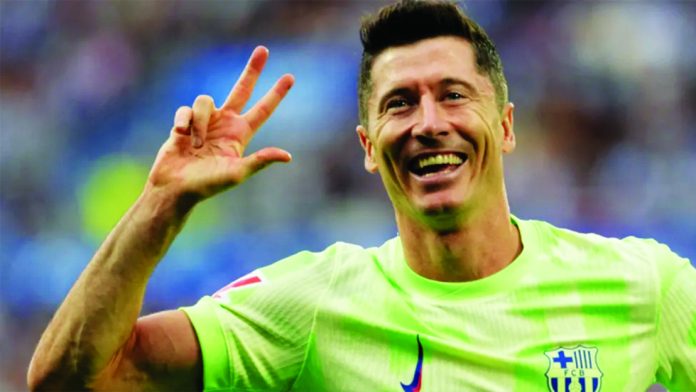
Robert Lewandowski scored a first-half hat-trick as Barcelona re-established their three-point advantage at the top of La Liga with a comfortable win at Alaves.

Real Madrid’s home victory over Villarreal on Saturday evening had temporarily moved them level with Hansi Flick’s side.

However, the visitors – who suffered a shock defeat by Osasuna last weekend – always looked in control after Lewandowski nodded them in front early on from Raphinha’s curling delivery.

The 36-year-old’s second, a close-range finish, came after more good work from the Brazilian.

And his and Barca’s third came as he reversed a shot past home goalkeeper Antonio Sivera from Eric Garcia’s pass.

The Poland forward has now scored 12 goals in 11 games in all competitions for Barca, who are averaging over three goals a game in the Spanish top flight this term.

“I had some good passes and they made it easier for me to score,” Lewandowski said on DAZN.

“We played well from the first minute and we wanted to attack and score goals. We were more in control in the second half.

“We have a very good group. I think we can play better but we have improved all the things we lacked.”

The hosts, who threatened sporadically, thought they had pulled a goal back on the stroke of half-time but Toni Martinez’s goal was ruled out for an offside in the build-up.

Credit: bbc.com

Chelsea and Nottingham Forest play out a feisty draw

0
Tempers frayed between the two sets of players in the closing stages

Chris Wood and Noni Madueke scored as Chelsea and Nottingham Forest played out a tactical and feisty draw at Stamford Bridge.

Forest went ahead when 32-year-old striker Wood slid in a finish past Robert Sanchez after a good set-piece routine involving James Ward-Prowse and Nikola Milenkovic in the 49th minute.

But Chelsea responded quickly as Madueke equalised eight minutes later after cutting in on his left foot and shooting, his fourth such effort having had the beating of left-back Alex Moreno.

Midfielder Morgan Gibbs-White came off injured in the second half – putting his chances of contributing with England this month in major doubt as he gingerly walked off the pitch, looking in pain and frustrated.

Referee Chris Kavanagh sent off Forest’s Ward-Prowse for deliberately handling the ball to stop a Nicolas Jackson counter-attack in the second half, giving him a second yellow card, having booked him earlier on for a more conventional tactical foul on star man Cole Palmer.

Then, Madueke also appeared to go off injured after a melee sparked by Neco Williams, who pushed defender Marc Cucurella into Chelsea manager Enzo Maresca.

Credit: bbc.com

Manchester United draw at Aston Villa

0
Manchester United vs Aston Villa

Manchester United simply had to avoid defeat at Aston Villa to ensure the focus on manager Ten Hag did not become more intense, perhaps to the point where the Old Trafford hierarchy felt it was time for a change. Manchester United manager Erik ten Hag will hope a battling draw at Aston Villa will relieve the fierce scrutiny of his position.

The club’s co-owner Sir Jim Ratcliffe was in attendance at Villa Park to see United at least show some of the resilience that was missing in the collapse at home to Tottenham and the defensive solidity lacking in Porto in the Europa League.

Ten Hag turned to the veteran duo of Harry Maguire and Jonny Evans to add some steel, although he lost the England defender to injury right on half-time.

Marcus Rashford twice tested Villa keeper Emi Martinez while United captain Bruno Fernandes came closest with a second half free-kick that bounced back off the bar at the Holte End. Substitute Antony also forced Martinez into an acrobatic save from long range.

United keeper Andre Onana was relatively untroubled, although he did well to athletically push away a power drive from Villa midfield man Youri Tielemans.

Ten Hag must now hope Ratcliffe and the rest of United’s watching hierarchy saw enough to keep faith with the Dutchman, although this draw means they are still five games without a win.

Credit: bbc.com

JM’s Economic Performance Doesn’t Merit 2nd Term –Varsity Don

0
Professor Isaac Boadi

“Ghana has faced a lot of significant challenges because of COVID-19 and the war in Europe, but the Akufo-Addo/Bawumia administration has done better. Mahama left office with 3.37% growth rate. How can this person convince us that he did better as president and should be brought back?

“Ghana’s economy grew at 4.7% during the first quarter of this year. As we speak, the economy is performing better than analysts’ expectations. The economy grew at 6.9% in the second quarter, and this makes the current managers better managers of the economy.”

These are the words of the Dean of Accounting and Finance at the University of Professional Studies (UPSA), Professor Isaac Boadi, when he granted an interview to NET2 TV in Accra recently.

According to the Professor of Accounting and Finance, in September 2019, inflation came down to 7.6% under Akufo-Addo, which is the lowest level achieved since March 1992.

To him, therefore, President Akufo-Addo performed better, even in the face of the global economic meltdown.

He contended that an administration that performed abysmally when there was no major economic crisis on a global scale, should not be elected in place of the one that had performed better in the face of global economic crisis.

“Under Mahama, there was no COVID-19 and there was no war in Europe, but they left a growth rate of 3.4%. In the face of COVID-19 and Putin’s invasion of Ukraine, Akufo-Addo’s economic figures have outperformed those of Mahama.

“Under such conditions, why should the one who performed poorly be elected? The current managers of the economy have done better and should be re-elected to continue managing the economy,” he indicated.

The UPSA don advised Ghanaians to support and vote for Dr. Mahamudu Bawumia, whose Economics background can help the country grow in leaps and bounds.

“Let us not make the mistake of voting for the NDC and John Dramani Mahama. There is nothing attractive in bringing back Mahama. His records are so bad that it would be unconscionable for Ghanaians to elect him to lead the country again. Mahama is unfit to lead Ghana again with his poor record.”

Martin Adjei-Mensah Korsah donates motorbikes, cash to Bono East NPP 

0
The bikes donated by Mr Martin Adjei Mensah Korsah

Mr Martin Adjei-Mensah Korsah, the Member of Parliament for Techiman South has donated Fifty (50) motorbikes and an undisclosed amount of money to the Bono East Regional Executives of the New Patriotic Party (NPP).

The donation by Mr Adjei-Mensah Korsah is aimed at adequately resourcing the Eleven (11) Constituencies in the Region, ahead of the 2024 polls.

At a short ceremony to hand over the items to the Regional Secretariat of the NPP for onward distribution to the beneficiary constituencies, the lawmaker underscored the significance of the 2024 polls describing it as a contest between the past and the future.

He urged executives of the party to ensure that they work tirelessly towards giving Ghanaians a better future by canvassing for votes for the NPP, which has proven it is capable of managing the affairs of the country better, compared to its political rivals.

The lawmaker indicated that the country was in a political season and challenged the party executives to be ambassadors of the good works of the NPP and explain to the electorate why they must give the party a third chance to continue with its good works.

“Let us ensure that we become good ambassadors of the NPP and work toward retaining power to foster the needed development in our various communities.

We must move from house to house and preach the good works of the NPP and let the electorate appreciate the numerous projects and policies implemented for their benefit in the face of the needless propaganda by our opponents”, he advised them.

Receiving the items, the Regional Chairman, Bukari Baba, supported by his Secretary, David Boakye and some parliamentary candidates and party members, thanked the Techiman South MP for this gesture and pledged to put it to good use to secure victory for the party.

The Ghanaian Chronicle