The Minority in Parliament has challenged the Mahama administration over the latest increase in electricity tariffs, demanding a clear explanation for the continued rise in utility costs despite what government describes as significant improvements in the country’s economic indicators.
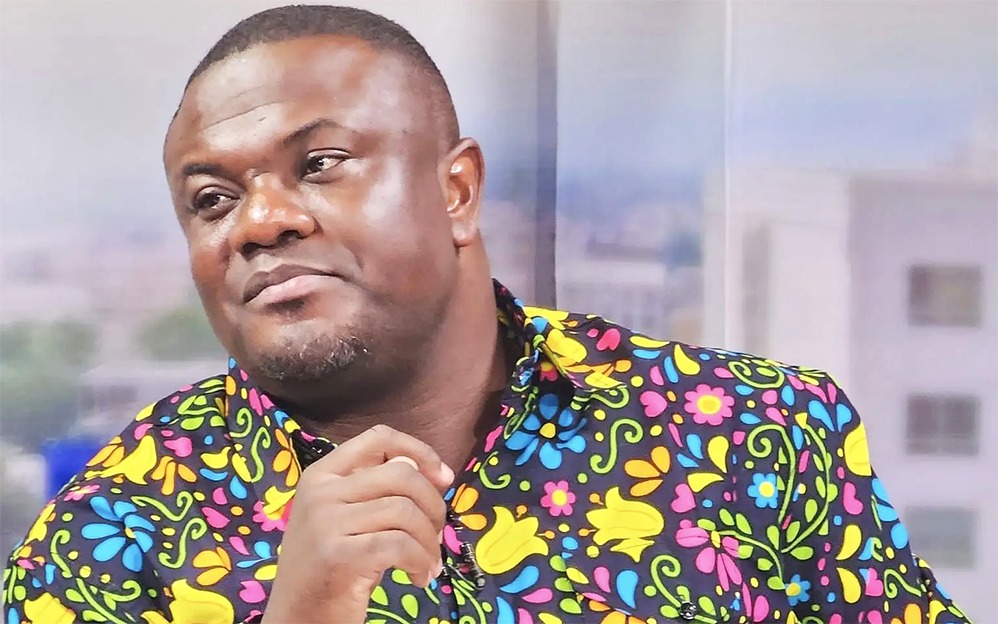
At a press conference in Parliament on Thursday, June 25, 2026 the Deputy Ranking Member on Parliament’s Energy Committee, Collins Adomako-Mensah, argued that the latest tariff adjustment contradicts the government’s repeated claims that the economy is on a path of recovery, citing the appreciation of the cedi, declining inflation and easing interest rates.
According to the Minority, if the economic gains touted by government are indeed translating into real progress, Ghanaians should be experiencing relief in their daily living expenses rather than being confronted with higher electricity bills.
The criticism follows a recent announcement by the Public Utilities Regulatory Commission (PURC) to increase electricity tariffs, barely months after consumers benefited from a marginal reduction.
The decision has sparked renewed debate over utility pricing and whether recent macro-economic gains are having any meaningful impact on household and business costs.
Mr. Adomako-Mensah questioned why electricity consumers continue to shoulder rising costs at a time government officials are celebrating the strengthening of the cedi and improvements in other key economic indicators.
“If these gains are real, Ghanaians should be feeling their impact in their pockets and not through increased utility bills,” he stated.
He explained that Ghana’s power generation mix depends heavily on thermal energy, which relies on imported crude oil and natural gas purchased in foreign currencies.
Consequently, he argued that the significant appreciation of the cedi should reduce the cost of fuel imports and ultimately ease pressure on electricity tariffs.
“The electricity sector relies substantially on imported fuel inputs. With the cedi reportedly appreciating by nearly 40 per cent, one would expect a corresponding reduction in the domestic cost of these imports and some relief for consumers,” he said.
The lawmaker further maintained that lower inflation and reduced interest rates should lessen operational and production costs across the economy, making the latest tariff increase difficult to justify.
“Falling inflation and easing interest rates should reduce cost pressures. Yet electricity tariffs are being increased once again. This raises serious questions and demands answers,” he stressed.
The Minority is, therefore, calling on government and the PURC to provide a detailed explanation for what it describes as disconnect between improving economic fundamentals and rising utility costs.
“If the cedi is stronger, inflation is declining and interest rates are falling, what then is driving these tariff increases? Ghanaians deserve a full and transparent explanation,” Mr. Adomako-Mensah stated.
He warned that broad declarations of economic recovery would mean little to ordinary citizens if they do not result in tangible reductions in the cost of living.
“The Ghanaian people deserve more than optimistic economic headlines. They deserve transparency and accountability. Until a convincing explanation is provided, many will continue to question whether these celebrated economic gains are translating into real benefits for households and businesses,” he added.
The Minority also accused the government of selectively highlighting favourable tariff decisions while avoiding responsibility for unpopular increases.
According to the Deputy Ranking Member on Parliament’s Energy Committee, the administration publicly celebrated the 4.81 per cent reduction in electricity tariffs announced earlier this year, but has remained largely silent on the subsequent 3.49 per cent increase expected to take effect in July.
“You cannot celebrate a tariff reduction and then distance yourself from a tariff increase. Government appointed the leadership of PURC and is responsible for the policy environment within which these decisions are taken.
“It must, therefore, take responsibility for every increase reflected on consumers’ electricity bills,” he argued.
The Minority insisted that tariff reviews must reflect prevailing economic realities and be backed by clear, evidence-based justifications.
Mr. Adomako-Mensah disclosed that the caucus would continue to scrutinise future tariff adjustments and hold both the regulator and government accountable for decisions that place additional burdens on consumers.
The lawmaker further called on civil society organisations, labour unions, business groups and consumer advocacy bodies to demand greater transparency in the determination of electricity tariffs.
According to him, utility pricing affects every Ghanaian and should, therefore, be subjected to rigorous public scrutiny.
Touching on the political implications of the issue, he cautioned that voters would remember the impact of rising utility costs when they return to the polls.
“The 2028 elections are not far away and Ghanaians will remember who stood with them during these difficult times,” he warned.
Concluding his remarks, the legislator criticised what he described as an unfair tariff regime that continues to place additional pressure on consumers without delivering corresponding benefits.
“You cannot keep increasing the pressure on the tap and hand Ghanaians a basket to fetch the water. This tariff regime leaks more than it delivers,” he said.