The Minister for Energy and Green Transition, Dr John Abdulai Jinapor, has called for stronger collaboration between government and the private sector to transform Ghana’s energy sector and build a reliable, financially sustainable and cleaner energy system.
He said the country’s energy transformation could not be achieved by the government alone and that it required the private sector to bring capital, technology, innovation and management expertise to the sector.
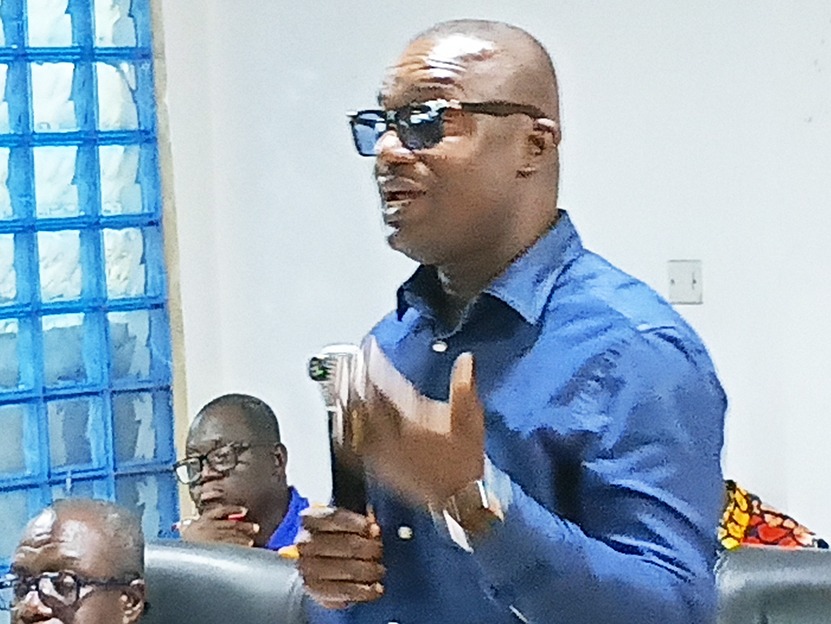
Dr Jinapor made the call in a speech read on his behalf by Dr Yussif Sulemana, Technical Advisor at the Ministry, at the third Energy Sustainability Leadership Conference in Accra.
The conference, organised by Safety Communication Consult (SCC), was held on the theme: “Public-Private Synergy: The Role of Corporate Ghana in National Energy Transformation.”
Dr Jinapor said government was pursuing three key priorities: energy security, financial sustainability and a transition towards cleaner and more efficient energy systems capable of supporting the 24-hour economy.
He said negotiations with Independent Power Producers (IPPs) had resulted in about US$250 million in savings, while reforms to the Cash Waterfall Mechanism had improved payment predictability and strengthened confidence in the sector. The savings figure is also consistent with the Minister’s recent public disclosure.
He said government was introducing greater private-sector participation in electricity distribution to improve efficiency, reduce commercial and technical losses, strengthen revenue collection and improve customer service.
He further disclosed that government was investing in generation and transmission infrastructure, including battery energy storage systems, while expanding solar generation to support the country’s energy transition.
Dr Jinapor urged Corporate Ghana to become investors, innovators and strategic partners rather than merely consumers of electricity or government contractors. He, however, cautioned that public-private partnerships must ensure a fair sharing of risks, responsibilities and rewards.
The final panel discussion at the conference called for a deliberate departure from “business as usual” if Ghana is to achieve energy security by 2030.
The panel, which focused on “The Future of Energy in Ghana: Scenarios for 2030 and Beyond Driven by Public-Private Synergy,” stressed the need for government to move beyond developing policies and roadmaps to ensuring their consistent implementation.
For more news, join The Chronicle Newspaper channel on WhatsApp: https://whatsapp.com/channel/0029VbBSs55E50UqNPvSOm2z