The Internal Audit Agency (IAA) reported 3,565 audit infractions across public institutions in 2025, but said it had verified the implementation of 3,021 audit recommendations, representing 84.7 per cent of the total issued.
The Acting Director-General of the IAA, Mr Conrad Z. Dumbah, who disclosed this at the 2026 Annual Internal Audit Conference, said the Agency had also facilitated the establishment of 639 Internal Audit Units out of an expected 640, representing 99.9 per cent compliance with statutory requirements.
He said the Agency trained 3,881 public sector professionals in 2025, including internal auditors, accountants, budget officers, procurement officers, chief executives and Audit Committee members, to strengthen financial management and accountability.
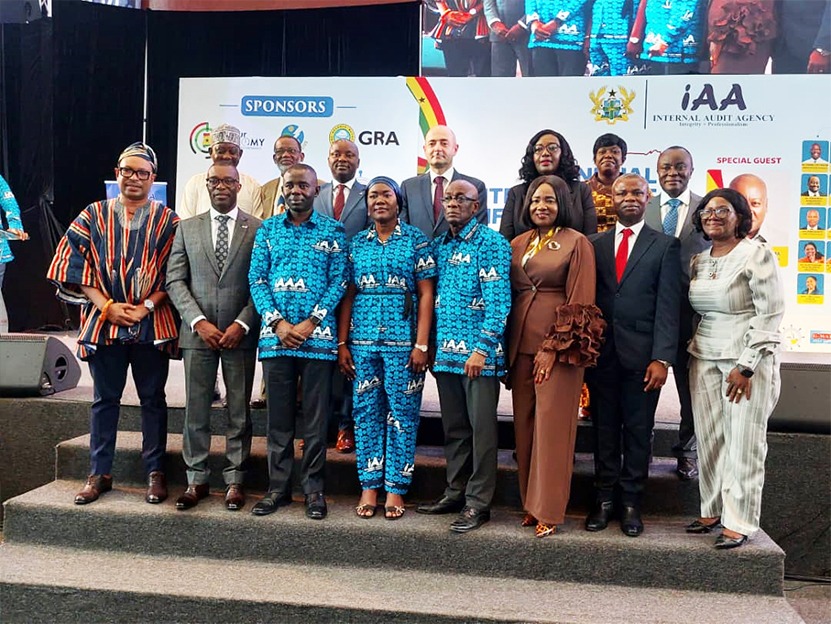
The conference, which brought together auditors, Metropolitan, Municipal and District Chief Executives (MMDCEs) and other government officials, was held under the theme: “Internal Audit and Ghana’s Reset Agenda: Strengthening Controls, Safeguarding Resources, and Driving Economic Resilience”.
Mr Dumbah said the Agency was pursuing reforms to reposition internal auditing as a strategic governance and risk-management function, rather than one focused mainly on identifying financial irregularities after they had occurred.
He announced that the Agency was working towards establishing a unified Internal Audit Management System to digitise audit planning, execution, documentation and the tracking of audit recommendations across public institutions.
He further identified information technology audits, cybersecurity, data protection and business continuity management as strategic priorities for the Agency’s 2027 operational year.
According to him, the Agency was also planning to establish specialised Centres of Excellence to improve technical capacity in these areas and strengthen its Special Investigations Unit through advanced forensic auditing and fraud risk assessment.
Strengthening accountability
The Chairman of the Internal Audit Board, Professor Joshua Yindenaba Abor, said Ghana needed to move from a predominantly retrospective audit system towards one that anticipated risks, prevented financial irregularities and strengthened institutional performance.
He said the effectiveness of internal auditing should not be measured by the number of reports produced, but by whether identified weaknesses were addressed and recommendations implemented.
Professor Abor noted that weak controls created opportunities for fraud, waste, abuse and inefficiency, resulting in the loss of public resources that could otherwise support healthcare, education, agriculture, roads and other essential services.
He urged heads of institutions, MMDCEs, managers and governing boards to regard internal auditors as partners in protecting public resources and to act promptly on their recommendations.
He also called for increased investment in data analytics, continuous auditing and cybersecurity assurance to address risks associated with the growing digitalisation of government operations.
On institutional reforms, he disclosed that the proposed Internal Audit Authority Bill had completed stakeholder validation and was awaiting further action. He said its approval would strengthen the independence, effectiveness and objectivity of internal auditors.
Management responsibility
The Chairperson of the conference, Professor Goski Alabi, Vice-Chancellor of Accra Metropolitan University, said accountability must be built into the operations of public institutions rather than treated as an exercise undertaken after financial irregularities had occurred.
She observed that although Ghana had established a sound legal and institutional framework for public financial management, the challenge remained ensuring that the frameworks translated into consistent improvements in institutional performance.
Referring to recurring financial irregularities in the Auditor-General’s reports, Professor Alabi called for stronger preventive controls, effective oversight and timely corrective action.
She stressed that establishing and enforcing internal controls was primarily the responsibility of management, while internal auditors provided independent assurance on whether those controls were properly designed and effective.
She also urged public institutions to protect the independence of internal auditors, warning that auditors who feared for their positions might be unable to report uncomfortable findings without fear or favour.
Reset Agenda
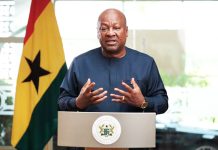
Opening the conference, President John Dramani Mahama, who was the special Guest of Honour at the event, represented by his Economic Adviser, Mr Seth Terkper, said strong institutions, effective oversight and accountability were essential to protecting public resources and achieving sustainable economic development.
He said national development could not be achieved through policies and good intentions alone but required discipline, integrity and responsible management of public finances.
Mr Terkper emphasised that internal control was a management responsibility and should not be left solely to internal auditors. He called on public institutions to strengthen ethical standards, ensure prudent utilisation of resources and address weaknesses in their financial management systems before they resulted in losses.
He further urged management to respect the independence of internal auditors and take their recommendations seriously, describing effective internal oversight as critical to good governance.
The conference was expected to deliberate on revenue assurance, public financial management, fiscal consolidation, value for money, corporate governance and the role of Audit Committees, with participants expected to identify practical measures to strengthen accountability across the public sector.
For more news, join The Chronicle Newspaper channel on WhatsApp: https://whatsapp.com/channel/0029VbBSs55E50UqNPvSOm2z