Presidential Staffer and Press Secretary/Spokesperson to the Minister for the Interior, Julius Kwame Anthony, has described persons who actively campaign against poultry farming and animal husbandry in Ghana as “fools.”
Mr Anthony made the comments while defending the government’s flagship Nkokonkitikiti poultry programme during an appearance on JoyNews’ AM Show on Wednesday, September 23, 2026.
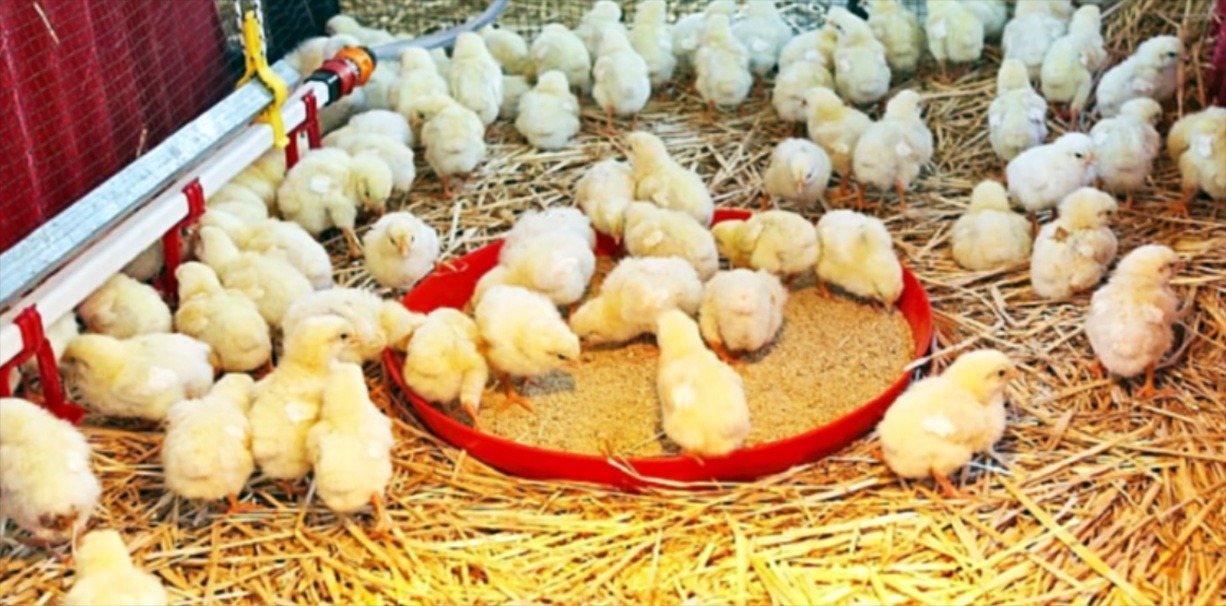
The programme, launched by President John Dramani Mahama, seeks to distribute three million poultry birds nationwide, as part of efforts to strengthen local poultry production, create livelihoods and reduce Ghana’s dependence on imported frozen chicken.
Mr Anthony premised his defence of the programme partly on Ghana’s poultry import bill, citing a 2020 import bill of about US$400 million for poultry alone.
He argued that the scale of expenditure on imported poultry underscored the need for Ghana to strengthen domestic production and support local poultry farmers.
Responding to criticism of the initiative, Mr Anthony said anyone who actively campaigned against poultry farming and animal husbandry deserved the description.
“Anybody, and I mean anybody at all, who actively campaigns against poultry farming and animal husbandry in this country is, with all due respect and with respect to the platform and our audience, a fool. I repeat it,” he said.
His comments have since shifted part of the public debate from the implementation of Nkokonkitikiti to the language used by government representatives in responding to criticism of public policies.
Concerns over use of distributed birds
The comments come amid concerns about how some beneficiaries have used birds distributed under the programme.
In July 2026, the Minister for Food and Agriculture, Eric Opoku, told Parliament’s Assurances Committee that some beneficiaries had slaughtered and consumed the birds instead of rearing them for commercial purposes.
Mr Opoku made the disclosure on July 9, 2026 during an update on the implementation of the programme.
According to the Minister, some beneficiaries sent him videos showing themselves consuming the birds, despite the programme’s objective of helping them establish sustainable poultry businesses.
“Some also decided to kill and eat all. In fact, they were even sending me videos that, ‘Honourable, we are eating everything,’ but this is not meant for that immediate consumption. We just wanted people to rear them, sell and reinvest,” Mr Opoku said.
The Minister explained that the initiative was designed to enable beneficiaries to rear the birds, sell them and reinvest the proceeds to expand their poultry operations.
The disclosure has formed part of the wider public debate over the implementation of Nkokonkitikiti, including questions about whether beneficiaries have the necessary capacity, market access and support to sustain the businesses envisaged under the programme.