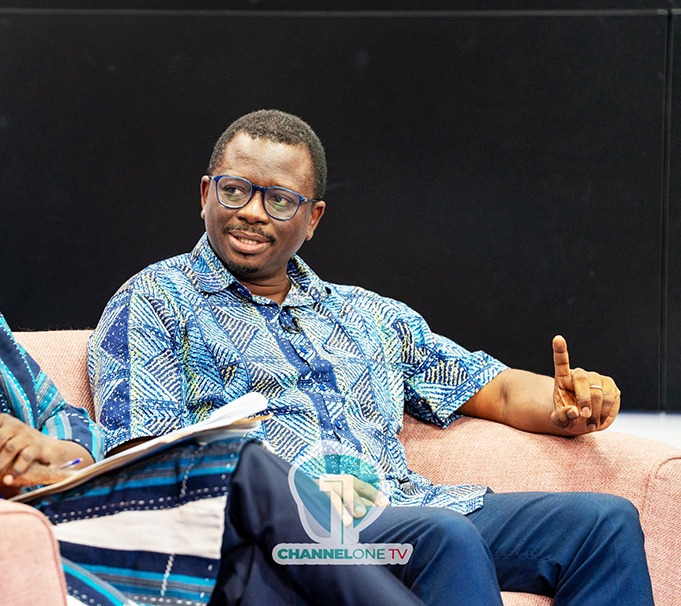
Management consultant and policy expert, Michael Kottoh, has cautioned that Ghana’s recent economic recovery remains highly vulnerable because much of the country’s improved macroeconomic performance is being driven by booming gold exports and record gold prices.
Speaking on the Citi Breakfast Show as part of the Citi Business Festival, Mr Kottoh noted that while key economic indicators have improved significantly since the crisis period of 2022, Ghana’s dependence on gold leaves the economy exposed to external shocks, should global gold prices decline.
According to him, exports have surged from about $19 billion to $31 billion over the past few years, but much of that increase has been fuelled by gold exports rather than broad-based growth across multiple sectors of the economy.
“The gold concentration rate is a big issue because a lot of the stability we have now is gold. If something happens to gold prices, we are very vulnerable in terms of the stability that we have now,” he warned.
Mr Kottoh described 2025 and 2026 as turnaround years for the Ghanaian economy, following the severe economic crisis that culminated in inflation reaching 54 percent in 2022, a sharp depreciation of the cedi, debt default and significant stress within the banking sector.
He said the economy had since recorded remarkable improvements, with inflation falling to below five percent, lending rates dropping significantly and GDP growth increasing from about three percent in 2023 to six percent in 2025.
The policy analyst also pointed to improved currency stability, noting that the cedi had largely traded within a predictable range against the US dollar since 2025, providing relief to businesses and importers.
Lower borrowing costs, he said, have created opportunities for businesses seeking expansion capital, while exchange rate stability has reduced the cost of imports and eased pressure on manufacturers that depend heavily on imported raw materials.
Despite these gains, Kottoh stressed that businesses continue to face significant challenges.
He observed that electricity tariffs for industrial and commercial users have increased by an average of 23 percent since 2024, while water tariffs have risen by about 19 percent over the same period. Diesel prices have also increased by nearly 15 percent, adding to operational costs for businesses.
While recent tax reforms, including the removal of the COVID-19 levy and adjustments to VAT thresholds for small businesses, have reduced some tax burdens, he noted that tax compliance requirements have become stricter as authorities seek to boost revenue collection.
Mr Kottoh further identified several medium-term risks confronting the economy, including possible depreciation of the cedi, rising global oil prices linked to geopolitical tensions in the Middle East, energy supply concerns and the country’s transition from the IMF-supported programme.
He said businesses remain worried about intermittent power outages and uncertainty surrounding government’s ability to maintain fiscal discipline after the IMF programme.
Drawing from discussions with business operators across various sectors, Kottoh revealed that many firms remain cautiously optimistic about the future but continue to grapple with structural challenges.
Manufacturers and agro-processors, he noted, are particularly concerned about limited access to long-term affordable financing and the high cost of energy, issues they believe continue to undermine competitiveness.
Retailers, meanwhile, reported weak consumer spending despite relative price stability, while some businesses complained about increasing competition from cheaper imported products and rising logistics costs associated with online commerce.
According to the Management consultant and policy expert, the overall outlook for Ghana’s business environment remains cautiously positive, but much depends on maintaining currency stability and addressing long-standing structural constraints that continue to hinder private sector growth.
“The short-term macroeconomic trends are encouraging, but the structural issues remain. Access to long-term capital and energy costs continue to be major concerns for businesses,” he said.
This version places the gold-dependency warning at the centre of the story while retaining the broader economic recovery, business opportunities, and risks highlighted in the interview.