Ghana could experience a resurgence of inflation, renewed pressure on the cedi and slower economic growth in 2027, despite the Government’s ambitious investment programme and projections of sustained macroeconomic stability.
Fitch Solutions, an international economic research firm, has projected that inflation could rise above 10 per cent in the second half of next year, exceeding the upper limit of the Government’s inflation target of eight per cent, plus or minus two percentage points.
The projection presents a less optimistic assessment of the country’s economic prospects than the outlook outlined by Finance Minister, Dr Cassiel Ato Forson, when he presented the 2027 Budget Statement and Economic Policy to Parliament on November 12, 2026.
While the Government is targeting economic growth of at least 5.2 per cent in 2027, Fitch Solutions expects growth to slow to five per cent, from an estimated six per cent in 2026.
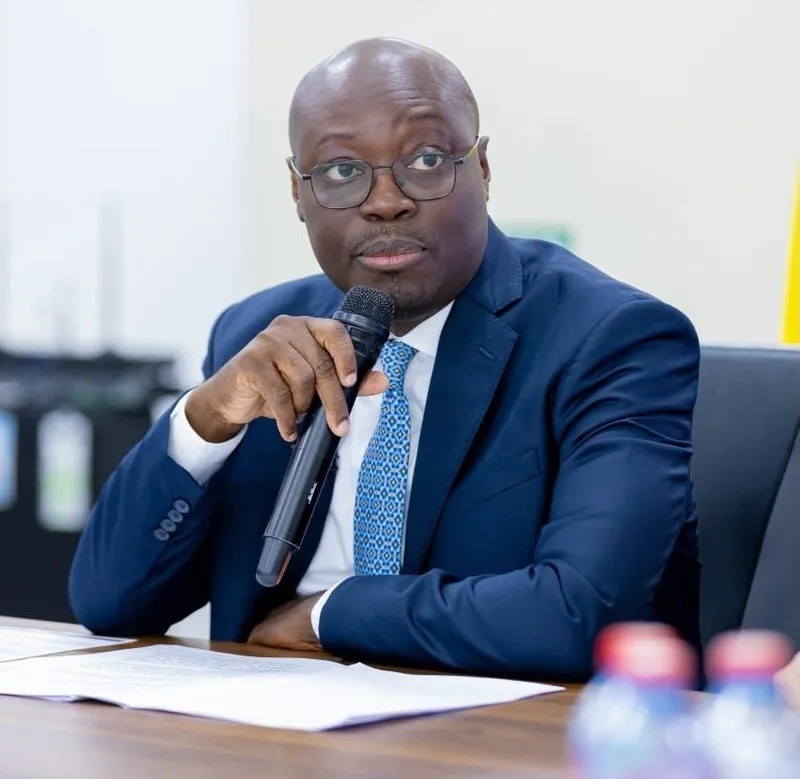
The assessment was presented by Mike Kruiniger, an Associate Director of Fitch Solutions, in a virtual address to PwC’s 2027 Post-Budget Forum in Accra on Monday.
His presentation, monitored by The Chronicle on PwC Africa’s YouTube channel, examined the global economic environment, Ghana’s fiscal position and the risks likely to shape the country’s economic performance in 2027.
Inflationary pressures ahead
Mr Kruiniger identified rising international food prices, expanding domestic money supply and anticipated depreciation of the cedi as three major factors likely to undermine the country’s inflation gains.
On food prices, he warned that the emerging El Niño weather phenomenon could disrupt agricultural production across different parts of the world, resulting in droughts in some regions and flooding in others.
Such developments, he explained, could worsen international food supply conditions and push up the prices of essential commodities.
He specifically mentioned rice and wheat, noting that Ghana’s dependence on imports of these staples exposed the country to external price movements.
With food accounting for a substantial share of Ghana’s consumer price index, increases in international prices could feed directly into domestic inflation and place additional pressure on household budgets.
Mr Kruiniger also expressed concern about the expansion of money supply, explaining that liquidity had been growing faster than the economy itself.
He said historical trends suggested that such developments could translate into stronger demand-side inflationary pressures approximately 12 months later.
The third factor was the expected weakening of the cedi, which could increase the domestic cost of imported goods and services.
Cedi faces fresh pressure
Fitch Solutions expects the cedi to average approximately GH¢12.40 to the US dollar in 2027.
Mr Kruiniger attributed the anticipated pressure partly to a moderation in gold prices and the Government’s expected efforts to rebuild foreign exchange reserves under the Ghana Accelerated National Reserve Accumulation Programme (GANRAP).
He explained that the two developments could reduce the amount of foreign exchange flowing into the domestic market, creating pressure on the local currency.
He also identified a stronger US dollar and declining gold prices as significant external risks to Ghana’s economic outlook.
A stronger dollar, particularly if the US Federal Reserve adopts a more hawkish monetary policy, could put additional pressure on gold prices and Ghana’s export earnings.
The combined effect, he warned, could weaken the cedi and contribute to higher domestic inflation.
Growth outlook diverges from budget
On economic growth, Fitch Solutions projected a slowdown from six per cent in 2026 to five per cent in 2027.
Although the projected rate would remain above Ghana’s long-term growth trend and outperform expectations for several sub-Saharan African economies, it falls short of the Government’s 5.2 per cent target.
Dr Forson, in presenting the budget under the theme: The New Economy, New Ghana, Jobs and Prosperity, announced a US$10 billion investment programme spanning 2027 to 2030.
The programme is intended to stimulate production, expand infrastructure, strengthen agriculture and create employment.
Mr Kruiniger acknowledged that the planned increase in government investment would support economic activity, identifying it as one of the factors underpinning Fitch’s growth forecast.
However, he cautioned that rising inflation could undermine household purchasing power and place additional pressure on consumption.
Deficit to widen
On the fiscal front, the Fitch Solutions assessment was relatively encouraging, although it projected a widening of the budget deficit in 2027.
Mr Kruiniger said improved revenue mobilisation, particularly from income and property taxes, had helped Ghana maintain a primary budget surplus in 2026.However, the firm expects the fiscal deficit to widen to approximately 2.7 per cent of GDP next year, which would be the largest since 2023.
The increase, he explained, would largely reflect higher government investment, with capital expenditure expected to rise to approximately five per cent of GDP, its highest level since around 2010.
He nevertheless considered the associated fiscal risks manageable, citing the reduction in the public debt ratio to below 50 per cent of GDP, limited reliance on domestic Treasury instruments and relatively strong economic growth.
The Government, for its part, has projected an overall cash-based fiscal deficit of 3.6 per cent of GDP and a primary surplus of at least 0.5 per cent on a commitment basis.
Global risks and opportunities
Mr Kruiniger also discussed the implications of the US-Iran conflict, predicting that the two countries could reach a preliminary agreement in the first quarter of 2027.Until then, he expects oil prices to remain relatively high before declining sharply from the second quarter if negotiations succeed.
He said Ghana had been relatively insulated from the energy shock because, despite importing refined petroleum products, it remained a significant crude oil exporter. The widened energy trade deficit, he estimated, represented only about 0.3 per cent of GDP.
Concluding, he said Ghana’s major opportunity was to translate its improved macroeconomic stability, credit rating upgrades and investor confidence into actual private-sector investment.
He stressed that attracting foreign direct investment capable of creating jobs, raising incomes and expanding productive capacity would be critical to ensuring that the benefits of economic recovery reached the wider population.
For more news, join The Chronicle Newspaper channel on WhatsApp: https://whatsapp.com/channel/0029VbBSs55E50UqNPvSOm2z