Ghana has improved its overall score in the 2026 Chandler Good Government Index (CGGI), ranking 92nd out of 133 countries globally and ninth in Africa.
The improvement was driven largely by stronger performance in Financial Stewardship and Helping People Rise, two of the seven pillars used to assess government capabilities and effectiveness.
Ghana’s progress comes amid broader improvements across Africa, where 71 per cent of the countries assessed in both 2025 and 2026 recorded higher overall scores. The continent was the second-best-performing region for governance improvement during the period, although it remained the lowest-scoring region overall.
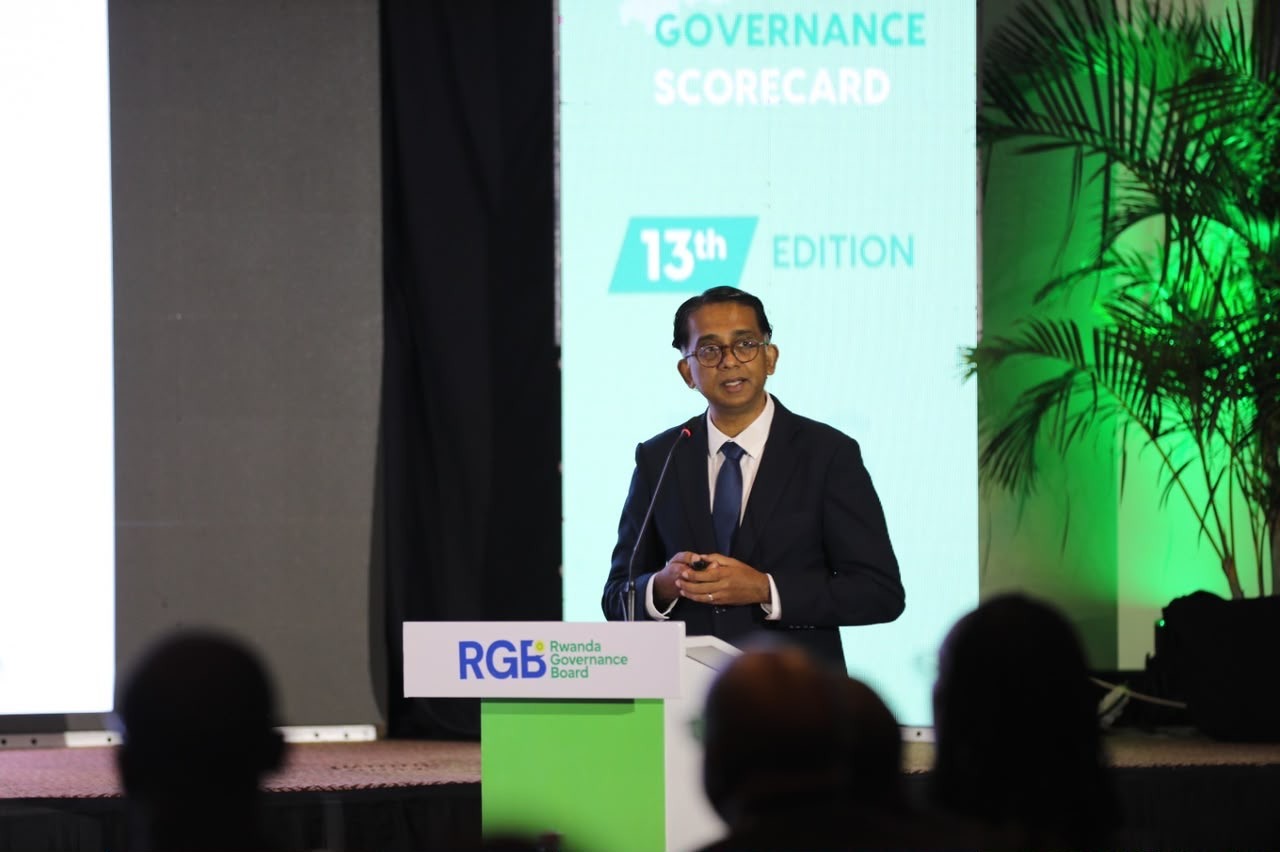
Dinesh Naidu, Director of Knowledge at Chandler Governance Group (CGG), said Africa’s strongest gains were recorded in Financial Stewardship, followed by Helping People Rise, which measures outcomes for citizens.
He said the improvements suggested that stronger government capabilities were beginning to translate into tangible benefits, including better access to education and healthcare, as well as improved management of public finances.
“The task now is to sustain that progress over the coming years,” he said.
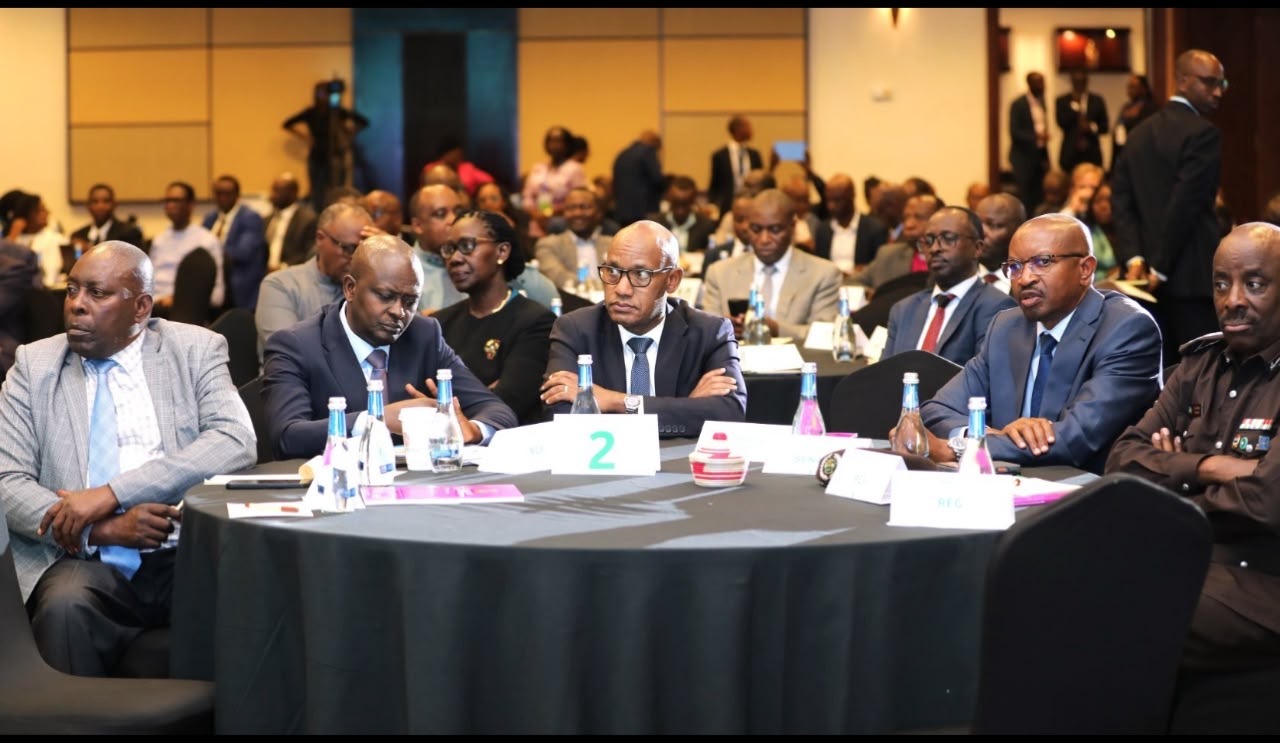 Now in its sixth edition, the CGGI assesses government capabilities and effectiveness across 133 countries, representing 94 per cent of the world’s population. This is an increase from 120 countries in the 2025 edition.
The index measures 35 equally weighted indicators across seven pillars, providing a framework for governments to assess their performance, identify weaknesses, track progress and learn from countries facing similar challenges.
Globally, 61 per cent of the 120 countries assessed in both 2025 and 2026 improved their overall scores, the highest proportion of countries recording annual improvements since the index was launched in 2021.
However, the longer-term picture remains less encouraging, with only 43 per cent of the 104 countries tracked since 2021 recording an overall improvement.
Financial management, social outcomes drive Ghana’s gains
Ghana’s improvement was largely attributed to stronger performance in Financial Stewardship and Helping People Rise.
The country’s Financial Stewardship score, which measures how governments manage public finances and maintain fiscal sustainability, almost doubled in the 2026 edition following a period of decline between 2021 and 2024.
The Helping People Rise pillar, which assesses outcomes for citizens, also improved for the second consecutive year, reflecting progress in areas such as education and healthcare.
The gains helped raise Ghana’s overall score despite declines in Leadership and Foresight and Attractive Marketplace. Both pillars recorded decreases in the latest edition and relative to their 2021 performance.
Africa records gains but faces persistent challenges
 Across Africa, average scores improved in six of the seven CGGI pillars over the past year.
Despite the progress, the region’s average score remains below its 2021 level, indicating that recent improvements have yet to reverse the longer-term decline.
Of the 35 African countries assessed in the 2026 index, 23 ranked outside the global top 100, while none placed among the top 50.
Seven countries — Chad, the Democratic Republic of the Congo, The Gambia, Guinea, Lesotho, Liberia and Togo — were included in the index for the first time this year.
Mr Naidu said rankings should serve as a starting point for assessing governance rather than an end in themselves.
He said the index was intended to help governments identify areas of progress and those requiring further attention.
“Sustained improvements depend on the ability to strengthen institutions, manage resources responsibly and turn policy into meaningful outcomes for citizens,” he said.
Index designed to support governance reforms
The CGGI is designed to help governments identify institutional weaknesses, monitor performance over time and draw lessons from the experiences of other countries.
It provides evidence to guide reform priorities and strengthen the institutional capabilities needed for effective governance.
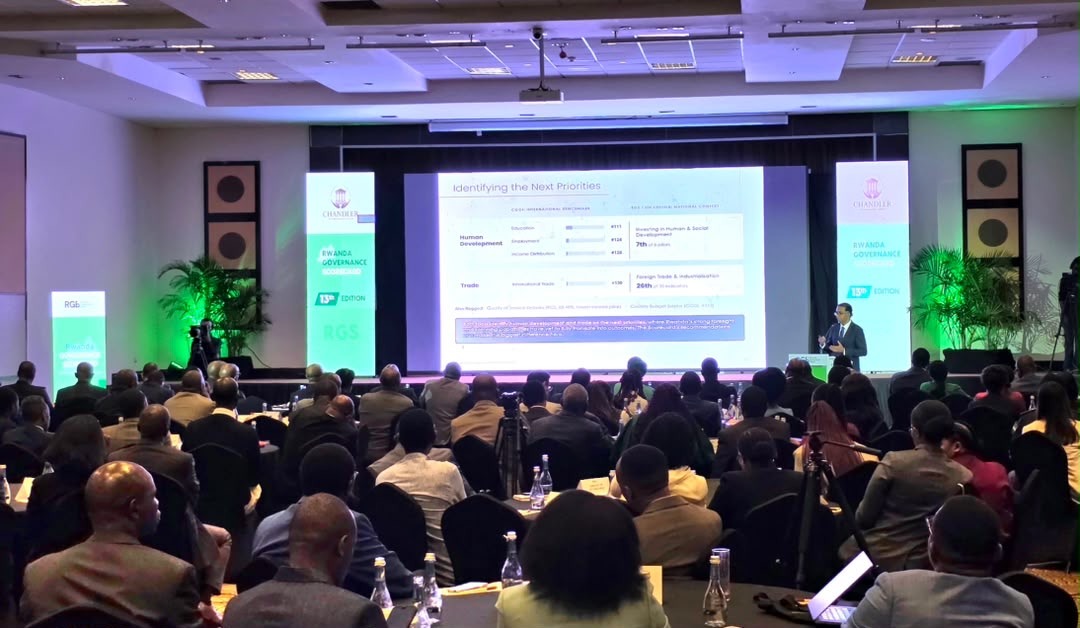 Mr Naidu said countries had different governance challenges and priorities, but those willing to assess evidence and learn from their peers were better positioned to strengthen their institutions and achieve meaningful improvements.
“Every country faces its own governance challenges and has different priorities. Governments that are willing to take stock of the evidence and learn from peers to strengthen their institutions are well placed to achieve real improvements,” he said.