Illegal mining, popularly known as galamsey, has destroyed 58 of the 62 streams identified in the Atewa Forest landscape, raising fresh concerns about the worsening threat to water resources and the livelihoods of surrounding communities.
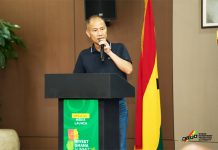
Mr. Paul Asumaku, a member of the Concerned Citizens of the Atewa Landscape (CCAL), disclosed this while highlighting the devastating impact of illegal mining on water bodies originating from the Atewa Forest and flowing through communities within the landscape.
He said public attention had largely focused on the deteriorating conditions of major rivers such as the Birim, Densu and Ayensu, while numerous smaller streams had suffered extensive destruction with comparatively less public scrutiny.
According to him, the smaller streams were equally important to the survival of communities, serving as essential water sources and supporting the livelihoods and well-being of residents.
Mr. Asumaku explained that the destruction caused by illegal mining had gone beyond the major rivers, with several smaller water bodies polluted, degraded or otherwise damaged by mining activities.
Mapping exercise exposes scale of destruction
He disclosed that CCAL, in collaboration with the Water Resources Commission (WRC), had initiated a project to map streams originating from the Atewa Forest and flowing through the 53 communities within the landscape.
The exercise is intended to identify the streams, assess their conditions and establish the extent of damage caused by illegal mining.
Mr. Asumaku expressed satisfaction with progress made on the project so far, revealing that the team had mapped streams in 23 of the 53 communities, however, the preliminary findings have raised serious concerns about the scale of environmental destruction.
Of the 62 streams identified so far, 58 have reportedly been destroyed, according to Mr. Asumaku, leaving only four that have not been classified as destroyed in the preliminary assessment.
The findings highlight the potential scale of the threat facing the Atewa landscape’s water resources and the urgent need for effective interventions to protect the remaining streams and address the damage already caused.
Call for urgent intervention
Mr. Asumaku called for stronger measures to safeguard the Atewa Forest and restore affected water bodies, stressing that the streams were vital to the livelihoods and well-being of communities across the landscape.
He said the mapping exercise would generate important information to guide efforts to combat illegal mining, identify affected water bodies and support initiatives aimed at protecting the forest’s water resources.
The Concerned Citizens of the Atewa Landscape member further emphasised the need to preserve the streams for present and future generations, warning against overlooking the smaller water bodies while attention remained focused on major rivers.
The ongoing collaboration between CCAL and the Water Resources Commission is expected to provide a clearer picture of the condition of streams across the 53 communities as the mapping exercise progresses.
The preliminary findings have renewed concerns over the environmental consequences of illegal mining in the Atewa landscape, particularly the implications for water security, community livelihoods and the long-term protection of the forest’s natural resources.
For more news, join The Chronicle Newspaper channel on WhatsApp: https://whatsapp.com/channel/0029VbBSs55E50UqNPvSOm2z