The Forestry Commission has burnt 1,103 Changfan dredging machines and destroyed 1,420 pumping machines in operations to flush out illegal miners from seven forest reserves in the Western Region.
The operations, conducted between January and September 2026, also resulted in the arrest of 159 suspected illegal miners, with 36 cases currently before the courts.
The Western Regional Manager of the Forestry Commission, Nana Poku Bosompem, disclosed this during a media briefing on the commission’s efforts to protect forest reserves from illegal mining and other destructive human activities in Takoradi yesterday.
He said the commission had also immobilised three excavators and destroyed 387 temporary structures used by illegal miners, with the destruction of the changfan machines alone estimated to have cost the operators about GH¢28 million.
Mr Bosompem said illegal mining remained the biggest threat to forest reserves in the region, with activities affecting seven of the 19 reserves.
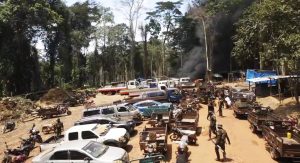
At the Subri Forest Reserve at Wassa Esaman in the Wassa East District, a recent anti-illegal mining operation uncovered scores of vehicles, including sport utility vehicles, trucks and saloon cars, believed to be providing logistical support to the illegal operations.
Motorbikes, tricycles, generators, pumping machines and changfan equipment were also found at the site.
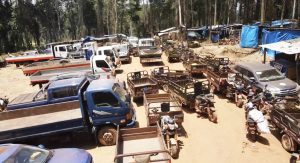
The commission immobilised several vehicles and pieces of equipment, while others were completely burnt as part of efforts to disrupt the activities of illegal miners.
Mr Bosompem said 20 people were arrested during the latest operation over the weekend, adding that the equipment found supporting the illegal mining activities was either immobilised or destroyed.
He expressed concern over the activities of alleged thugs, popularly known as “macho men”, who intimidate forestry officers and prevent them from accessing some forest reserves to enforce the law.
According to him, the situation continued to pose a significant challenge to the commission’s efforts to protect the country’s forest resources.
Mr Bosompem also expressed concern about delays in securing convictions in illegal mining cases, as well as what he described as an apparent reluctance by the police to prosecute some suspects arrested during enforcement operations.
He stressed the need for stronger collaboration among law enforcement agencies and the timely prosecution of suspects to ensure that arrests and seizures translated into effective deterrence.

The Forestry Commission has repeatedly identified illegal mining, illegal tree felling and other unauthorised human activities as major threats to forest reserves in the Western Region.
The latest operation forms part of broader efforts to reclaim degraded forest areas, dismantle illegal mining infrastructure and protect the country’s remaining forest resources.
In a related development, the National Anti-Illegal Mining Operations Secretariat (NAIMOS) has destroyed 92 changfan Aowin District of the Western North Region.
The latest operation, conducted on October 18, 2026, followed an earlier enforcement exercise on October 15, during which a NAIMOS task force uncovered extensive illegal mining activities involving platforms and changfan machines operating directly on the river near the Jema-Asekrom Forest Reserve.
During the initial operation, the task force destroyed 61 changfan machines and recovered six water pumps and a generator. Three suspected operators were also arrested and handed over to the police for further investigation.
However, follow-up patrols on October 18 revealed that illegal miners had returned to parts of the river, with several platforms and changfan machines again found operating on the water despite the earlier intervention.
The task force subsequently destroyed an additional 31 changfan machines and seized two outboard motors associated with the illegal operations.
The two operations bring the total number of changfan machines destroyed to 92, significantly disrupting the activities of illegal miners operating along the affected stretch of the river.
NAIMOS said the persistent illegal mining activities had severely affected the river, resulting in increased water turbidity and visible environmental degradation along affected sections.
It warned that the activities also posed a threat to the adjoining forest environment and communities that depended on the river system.
The return of illegal miners shortly after the initial operation, the secretariat noted, highlighted the need for sustained riverine patrols, continuous monitoring and repeated enforcement to prevent the reoccupation of cleared sites.
NAIMOS said it would maintain pressure on illegal mining operators along the Tano River and other identified hotspots while strengthening community engagement to discourage local participation in illegal mining and encourage residents to report suspicious activities.
The operations form part of Operation WATER SHIELD, a sustained NAIMOS campaign aimed at protecting Ghana’s strategic water bodies by denying illegal miners access to rivers and riverbanks, dismantling mining infrastructure and preventing the re-establishment of illegal activities in cleared areas.
The secretariat reaffirmed its commitment to protecting the Tano River and its tributaries, pledging to continue targeted operations against illegal mining activities that threaten the country’s water resources and environment.
For more news, join The Chronicle Newspaper channel on WhatsApp: https://whatsapp.com/channel/0029VbBSs55E50UqNPvSOm2z