“A nation that invests in ports, roads etc must invest equally in libraries, where minds are built for the future.”
Across Ghana, development discourse often centres on roads, ports, oil, and industrial expansion. Yet one of the most powerful engines of human development is quietly slipping from public attention: public libraries.
In Sekondi–Takoradi, the Western Regional Library in Sekondi and the Takoradi Public Library once nurtured generations of disciplined readers, writers, and professionals. Today, both struggle with outdated collections, ageing infrastructure, and declining patronage.
This decline, however, is not unique to the twin city. It reflects a wider national challenge. Despite commendable efforts by the Ghana Library Authority, the Rebecca Foundation, and other partners, major supply gaps persist. Ghana’s public library network remains insufficient, unevenly distributed, and under-resourced relative to population growth and educational demand. Sekondi–Takoradi merely mirrors a national problem.
Beyond Ghana, the public library crisis is global. The rise of the internet and digital media has challenged traditional library use worldwide.
Yet in countries that lead in innovation and human capital development, powerful voices in the public sphere continue to defend public libraries as essential civic institutions. The difference is not the presence of technology, but the presence of political will. Where libraries remain accessible, modernised, and attractive, they coexist productively with digital tools, anchoring literacy, critical thinking, and lifelong learning in ways the internet alone cannot.
After school hours and during long vacations, many young people in Ghana lack safe, structured spaces for reading and intellectual engagement. This is not a failure of ambition or ability, but a failure of access. Public libraries nurture literacy, digital competence, civic awareness, and imagination- foundations essential to employability, responsible citizenship, and innovation. They are among the most cost-effective public investments a society can make, strengthening human capital just as physical infrastructure strengthens economic connectivity.
This imperative aligns closely with President John Dramani Mahama’s recent remarks at the United Nations General Assembly, where he underscored Ghana’s youthful demographic profile and the urgency of investing in young people. A nation in which the majority of the population is youth cannot afford to neglect a library culture. Investment in public libraries is, fundamentally, investment in the intellectual formation of the demographic that will drive Ghana’s economic competitiveness and democratic resilience.
Practical solutions are within reach. Access can be decentralised through modest community libraries or reading centres in underserved urban and peri-urban areas, using places like Sekondi–Takoradi, including Beach Road, Chapel Hill, New Takoradi, Kwesimintsim, Effia-Kuma, and Anaji, as pilot models.
Existing libraries must be modernised with current books, digital resources, reliable internet connectivity, and engaging programmes such as reading clubs, writing workshops, and vacation learning camps. Strategic partnerships with the Ghanaian diaspora, civil society, and local media can further strengthen a national reading culture.
Parliamentary intervention should be framed nationally. A motion on revitalising public libraries across Ghana, using Sekondi–Takoradi as a compelling case study, would elevate the issue beyond regional lines and attract the policy attention it deserves.
The Western Regional Minister and Members of Parliament for Sekondi and Takoradi are well placed to lead this advocacy within the broader education and human capital agenda.
Cultural festivals like Ankos rightly celebrate heritage and identity. But the quiet erosion of public libraries deserves equal urgency. Reviving public libraries is not nostalgia; it is sound public policy. The time to act is now.
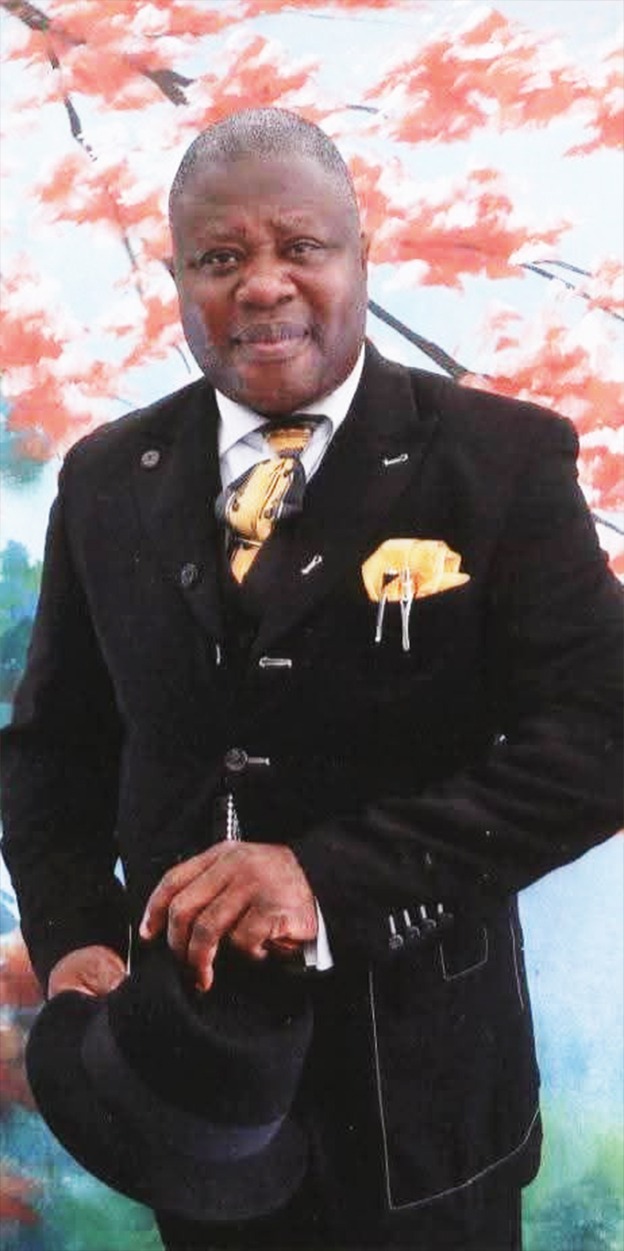
By Seth Kwame Awuku
For more news, join The Chronicle Newspaper channel on WhatsApp: https://whatsapp.com/channel/0029VbBSs55E50UqNPvSOm2z