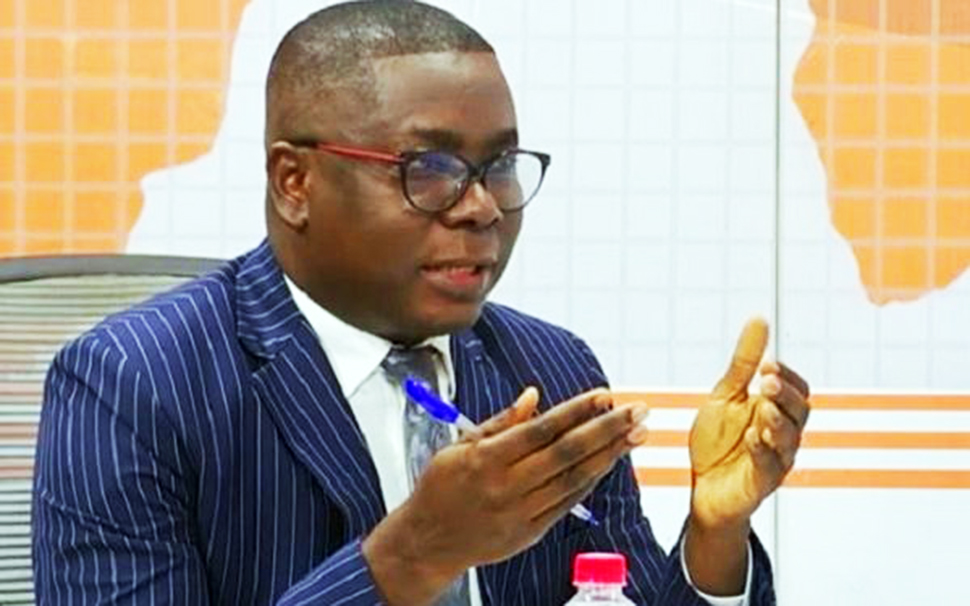
In a post published on his official Facebook page, Dr. Boako said the economy had become exposed after the IMF-supported programme ended, insisting that the government’s much-publicised fiscal gains were unsustainable.
“IMF programme is over. The economy is naked again. After all, the much talked about resilience by government was just a hoax,” he wrote.
The economist and former spokesperson to ex-President Nana Addo Dankwa Akufo-Addo further questioned the quality of the government’s fiscal consolidation, claiming it had been achieved by suppressing development expenditure rather than through structural reforms.
According to him, the country’s recent fiscal adjustment represented “development suppression” instead of genuine fiscal consolidation capable of sustaining long-term economic growth.
Dr. Boako argued that the rising prices of petroleum products and essential food items were already exposing underlying weaknesses in the economy.
“Fuel prices, tomato prices, and so on are really showing the skin of the economy,” he stated.
His comments come as Ghana transitions from the IMF-supported economic recovery programme to managing the economy without the direct backing of the Fund. The next phase places greater responsibility on domestic economic policies to sustain macroeconomic stability, contain inflation and support growth.
Dr. Boako contended that the fiscal adjustment pursued by government had come at the expense of development spending, including public investment and infrastructure, instead of being driven by stronger revenue mobilisation and greater spending efficiency.
He maintained that the impact of the strategy was becoming evident in the cost of living, pointing to increases in fuel prices and food costs, particularly tomatoes, which continue to put pressure on household incomes.
The remarks add to the ongoing debate over Ghana’s post-IMF economic outlook. While government has consistently highlighted improvements in key macroeconomic indicators during the programme, critics argue that the benefits have yet to translate into meaningful relief for consumers and businesses facing rising living costs.
Dr. Boako’s comments reflect the opposition’s assessment of the economy and have not been accompanied by any response from the government in the Facebook post. Government officials have previously defended their fiscal policies, arguing that the measures implemented under the IMF programme were necessary to restore macroeconomic stability and lay the foundation for sustainable economic recovery.