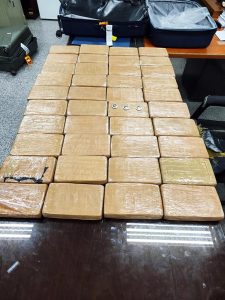
The Jatikay Centre for Human Security and Peace Building has demanded a thorough investigation into the seizure of 46.7 kilogrammes of cocaine at Lebanon’s Rafic Hariri International Airport. The Centre questioned the effectiveness of Ghana’s narcotics enforcement system and the credibility of the Narcotics Control Commission’s (NACOC) explanation of the incident.
The cocaine, reportedly transported from Accra by a Syrian national, was intercepted at the Lebanese airport in what has been described as the largest drug seizure in its history. The development has raised concerns about how such a substantial quantity of narcotics could leave Ghana undetected, exposing potential weaknesses in the country’s border security and anti-drug trafficking operations.
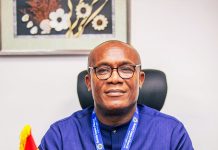
In a statement issued in Accra and signed by its Executive Director, Mr Adib Saani, the Jatikay Centre expressed profound outrage over the incident, describing it as a monumental embarrassment to Ghana. The organisation said the seizure had raised serious questions about the competence of the country’s narcotics enforcement agencies and the wider national security system.
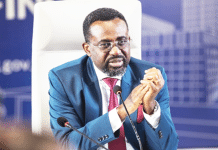
The Centre was particularly concerned about NACOC’s subsequent claim that the arrest resulted from a coordinated controlled delivery operation with Lebanese authorities. It described the explanation as deeply unsatisfactory and potentially a damage-control measure, insisting that the Commission must provide verifiable details rather than rely on public statements to defend its operations.
“If NACOC knew about the cocaine shipment, why was the suspect allowed to depart Accra International Airport with such a substantial quantity of narcotics?” the Centre questioned. It also demanded to know when the drugs were detected, what safeguards were put in place and what evidence supported the Commission’s claim of operational collaboration with Lebanese authorities.
The organisation further questioned why the initial statement from Lebanese authorities reportedly credited their Customs and General Security agencies without explicitly acknowledging Ghana’s involvement. It also demanded clarification on whether the operation constituted a genuine controlled delivery, or whether the suspect was simply arrested upon arrival in Beirut. The Centre called for information on whether any accomplices who might have facilitated the shipment in Ghana had been arrested.
The Jatikay Centre also raised concerns over the discrepancy in the reported quantity of cocaine, with NACOC reportedly citing approximately 40 kilogrammes while Lebanese authorities gave a figure of 46.7 kilogrammes. It said the difference required an explanation, adding that controlled deliveries were legitimate law enforcement techniques, but should not become a convenient excuse for operational failures.
The Centre warned that Ghana risked acquiring international notoriety as an attractive transit point for drug trafficking syndicates if such incidents continued. It said every major drug interception involving shipments from Ghana damaged the country’s credibility, undermined public confidence in border security and raised legitimate concerns about institutional weaknesses, negligence or possible complicity.
The organisation called for decisive action and accountability, insisting that the matter must not end with statements celebrating international cooperation.
“Heads must roll,” it demanded, adding that Ghana could not continue to tolerate situations in which foreign security agencies intercepted substantial drug shipments departing the country while local institutions failed to provide convincing answers.
It said Ghana must not become a safe departure point for international drug traffickers and urged security agencies to demonstrate competence, accountability and results rather than engage in public relations.
By Edmond Gyebi
For more news, join The Chronicle Newspaper channel on WhatsApp: https://whatsapp.com/channel/0029VbBSs55E50UqNPvSOm2z