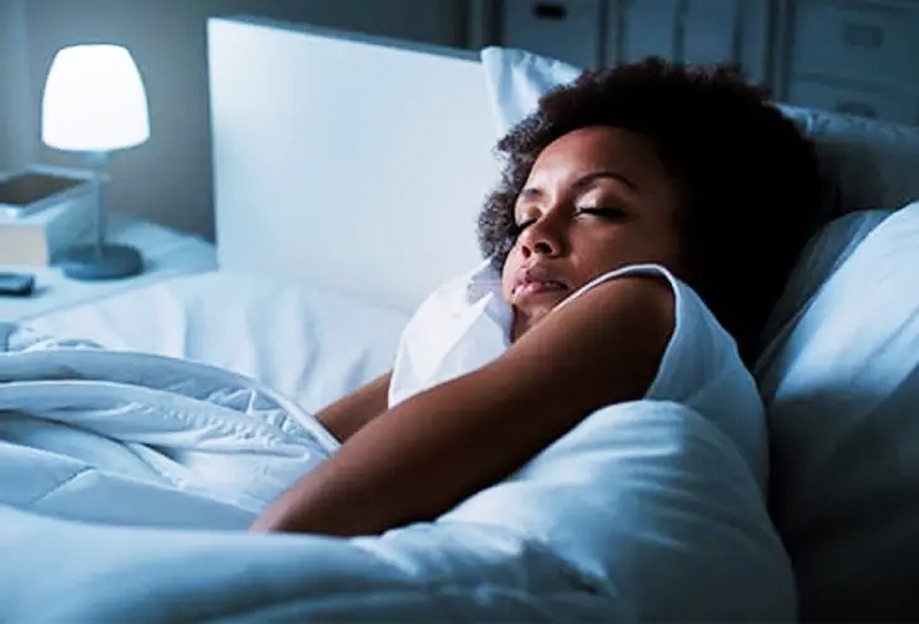
To Bed With You
You may know how important a consistent bedtime and exercise routine are for a good night’s sleep. Maybe you have your alcohol and caffeine use down to a science, too. But what happens when you actually get to bed? What else can help you sleep better? Try these tips and tricks.
Get the Right Mattress for You
There are several types. Whether you have back pain, night sweats, sleep apnea, or you just want a good night’s sleep, there’s not just one perfect choice. Your mattress should be firm enough to support your back and sleep position, but soft enough to fit the shape of your body.
This isn’t always easy to figure out. Some stores will let you test a mattress for several weeks and change it out if you’re not comfortable.
Pick the Right Sheets
Look for cotton or linen with a thread count between 200 and 400. That’ll make it likely that they’re soft and breathable. Higher counts can trap heat and moisture. Even polyester/cotton blends won’t keep you as cool and dry.
Cottons with longer fibers like pima and Egyptian typically wear best. You won’t know what any sheets feel like until you wash them a few times.
Choose the Pillow for You
The wrong one can’t just rob you of sleep, it can cause neck pain, numbness, and headaches. A good one keeps its shape and supports your sleep position so your head isn’t too far forward or back.
If yours doesn’t spring back into shape after you fold it in half, it’s probably time for a new one. Replace it every 18 months or so because it can trap mold, pollen, and dust mites that can make you sick or cause allergies.
Make Your Bed!
Sounds crazy, but if you do, you’ll be more likely to get a good night’s sleep. Scientists don’t know why, but it may be that it simply makes you feel good about where you take your nightly rest. A clean bedroom may help, too. No word on whether you have to clean it yourself, though.
Try White Noise
The consistent hum of an air conditioner, fan, or even a long rain can mask sounds that may wake you, like conversation and slamming doors. You can also get machines or phone apps that make white noise of your choice.
If You Sleep on Your Belly
You may toss and turn more to get comfortable, which means you probably won’t sleep as well. Sleeping that way can also strain your neck and lower back. But it’s not always easy to change positions. If you already sleep like this, it helps to use a very soft or thin pillow — or none at all — to keep your neck from hurting.
If You Sleep On Your Back
It can make snoring worse, and it’s hard on your back. That position can also contribute to sleep apnea, a serious condition where your snoring interrupts your breathing.
Putting a pillow or rolled-up towel under your knees can help keep the natural curve of your spine. For your head, you may need a thinner pillow that’s slightly thicker at the bottom so it supports your neck. Memory foam pillows work well because they mold to your shape.
If You Sleep on Your Side
You’re less likely to snore or have back pain. You also have better odds of all-night sleep, and it’s better if you have a bad back, too. All “side sleep” positions are good, but the fetal position, with your knees bent slightly toward your chest, seems to be best. It can help to use a large, firm pillow to bridge the distance from your ear to your shoulder. Another pillow between your legs can help keep your spine in line, as well.
If You’re Pregnant
It’s usually more comfortable and healthy for you and your baby if you sleep on your side. The left side is better, because it gets more blood and nutrients to your baby. But don’t worry if you wake in another position. It can help to put a pillow under your belly and between your legs to support your weight.
What to Wear?
Consider fabric. Cotton is breathable and soft, but it may not keep you warm enough. Flannel is warmer, but it may make you too hot in the summer. Silk is expensive and hard to clean. A looser fit is best.
If your feet get cold, which can be bad for sleep, wear socks. But ones that are too thick can heat up your whole body. If you do get too hot, try sleeping naked. It can keep you cool and lead to longer, deeper sleep.
Credit: webmd