Nearly two-thirds of Ghanaians living with High Blood pressure do not know they have the condition, a situation health authorities warn is driving a surge in stroke, kidney failure and other life-threatening complications.
The Minister for Health, Kwabena Mintah Akandoh, disclosed that only 35 percent of hypertensive individuals in the country are aware of their status, meaning most patients only report to health facilities when their conditions have significantly worsened.
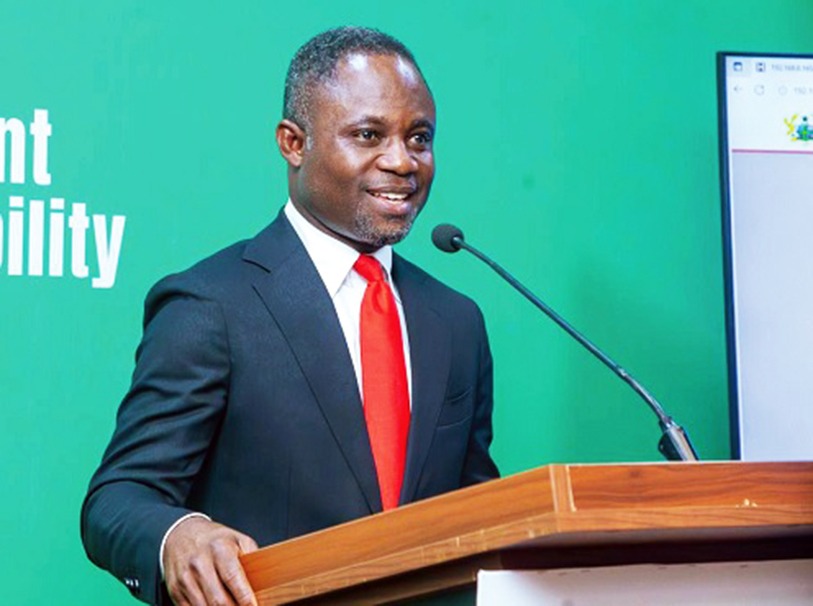
Addressing the Government’s Accountability Series at the Jubilee House yesterday, he said late detection is making treatment more expensive, more complex and less effective, while contributing to rising deaths from non-communicable diseases (NCDs).
The Minister attributed the crisis not only to low awareness, but also to deep structural gaps within the health system.
A nationwide assessment covering about 60 percent of health facilities, he revealed, showed that only five percent had a full complement of basic medical equipment. In public facilities, the situation is worse, with just two percent meeting the required standard.
He noted that uneven access to healthcare continues to leave many communities underserved, while the system has historically prioritised treatment over prevention.
In response, government is rolling out a Free Primary Healthcare policy aimed at reversing the trend through early detection and community-level care.
The policy will allow Ghanaians to access essential services at CHPS compounds, health centres and polyclinics at no cost at the point of care, including routine screening for hypertension, diabetes, cancers and other conditions that often go undetected.“This is a shift from sick care to health care,” Mr. Akandoh emphasised.
The programme will be implemented in phases from 2026, starting with 150 underserved districts before expanding nationwide by 2028.
NHIS STILL KEY
Despite the free services at the primary level, the Minister stressed that the National Health Insurance Scheme remains critical for accessing care at district, regional and tertiary facilities.
He urged uninsured Ghanaians to enrol, noting that the policy has clear limits beyond primary care.
Linking the situation to the persistent ‘no-bed syndrome,’ Mr. Akandoh argued that prevention remains the most effective way to reduce pressure on hospitals.
“No matter how many beds you add, if you do not prevent diseases, the pressure will remain,” he stated.
To support implementation, government has procured over 24,000 pieces of medical equipment for distribution to facilities in the first phase, alongside plans to expand community screening and outreach.
The initiative is expected to cost at least GH¢1.2 billion annually, with funding integrated into the national health insurance framework.
For millions of Ghanaians, the difference between early screening and late detection may ultimately be the difference between life and death.
For more news, join The Chronicle Newspaper channel on WhatsApp: https://whatsapp.com/channel/0029VbBSs55E50UqNPvSOm2z