Eating fibre can improve health, lengthen lifespans, and even protect our brains. Yet many of us are still coming up short on this “essential nutrient”.
A diet high in wholegrains, fruits, pulses, nuts and seeds – all of which are full of fibre – can have huge benefits for both our bodies and our brains.
Emerging research shows fibre supercharges the microbiome and influences the gut-brain axis, which is the communication channel that runs between the gut and the brain; slowing down symptoms of cognitive decline.
Increasing fibre intake is one of the most impactful dietary changes for cognitive health, says Karen Scott, professor of gut microbiology at the Rowett Institute, University of Aberdeen. Alternatively, a fibre deficit has been found to be a leading dietary risk factor for ill health.
Yet many of us aren’t eating enough. In the US, about 97% of men and 90% of women do not eat enough fibre. Most eat less than half the recommended daily amount. In the UK, over 90% of UK adults fall short, with many other countries showing similar deficiencies.
So why exactly is fibre so beneficial, and how can we eat more of it?
Gut feeling: How fibre functions
Fibre is a carbohydrate that can’t be easily broken down by the digestive enzymes. Most therefore passes through the gut largely unchanged.
It increases the size of stools. It keeps us feeling fuller for longer and, as we digest it slowly, it leads to a more gradual rise in blood sugar levels. Those who eat more wholegrains per day have been shown to have a lower BMI and less belly fat than those who eat refined grains.
A diet high in fibre can also help lengthen a lifespan and should therefore be considered an essential nutrient, says John Cummings, emeritus professor of experimental gastroenterology at the University of Dundee.
A review which Cummings co-authored found that those who ate the most fibre showed a 15-30% reduced risk of mortality compared to those who ate the least. Sufficient fibre consumption, which the researchers say is about 30g per day, lowers the risk of coronary heart disease, stroke, type 2 diabetes and colon cancer – and translates as 13 fewer deaths per 1,000 people.
Minding your meals: How fibre protects the brain
A high-fibre diet is also now believed to be particularly important for brain health, explains Scott. The presence of the fatty-acid butyrate helps maintain the lining of the gut, she says, thus reducing the risk of harmful substances entering the bloodstream and affecting the brain.
That’s why the gut microbiota can improve cognition. “The more fibre you eat, the more butyrate is produced, then the better your cognition can be retained.”
A 2022 study involving over 3,700 adults found that there was a lower risk of dementia among individuals who had the highest fibre intake. Those who ate the least showed an increased risk. Similarly, another study among adults over 60 for instance, found that those who had diets higher in dietary fibre showed increased cognitive function.
While the above findings were correlations, a more recent randomised control trial of twin pairs also identified a causal impact on fibre and cognition. Those who consumed a daily prebiotic fibre supplement showed improved results in cognitive tests in three months compared to those who had a placebo. Prebiotics are simple fibres that benefit bacteria in the gut and can be consumed as supplements. Analysis of stool samples revealed that the fibre supplement changed the participants’ gut microbiome, with increased levels of beneficial bacteria, such as Bifidobacterium.
Research shows that higher levels of butyrate production have a positive effect on depression, improved sleep and better cognitive function. Butyrate producing bacteria, for instance, have been linked to greater wellbeing, as well as a reduction in mental ill health.
How to eat more fibre
Research has shown that individuals with long healthy lives have diverse gut microbiomes. A diet with varied forms of fibre helps encourage this diversity, says Cummings.
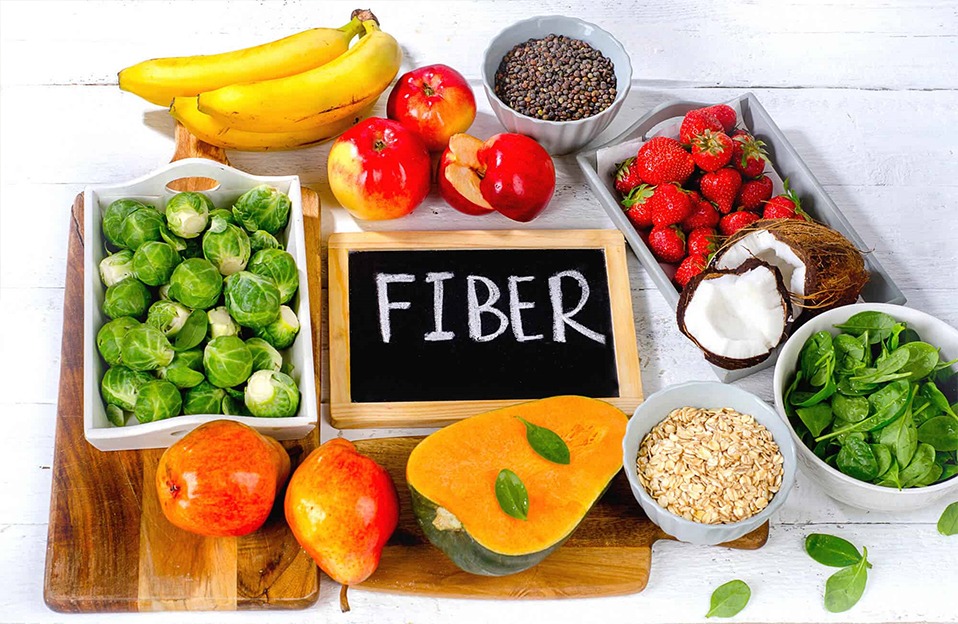
As there are so many different sources – including nuts, fruits and vegetables – it’s relatively easy to increase your intake.
Increasing plant-based foods is an obvious step, especially pulses, as peas, beans and lentils are high in fibre. Some easy additions could include blending canned chickpeas into pancake batter or adding peas into pasta dishes.
Credit: bbc.com