Home Blog Page 752

Protecting our independent governance institutions

0
Opinion

The ongoing attempt to effect an unprecedented removal from office of a Chief Justice in the 32-year old Fourth Republic has become a ponderous national issue. The constitutional process for the removal was triggered by citizens’ petitions alleging misconduct and abuses by the head of the Judiciary.

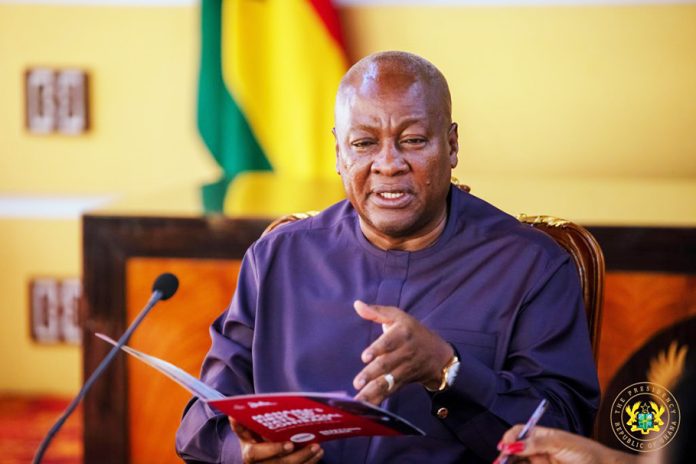
As required, the President passed on the petitions to the Council of State, which established a prima facie. Subsequently, President John Mahama suspended the Chief Justice, appointed a temporary replacement, and constituted a five-member board to review the allegations and recommend the next line of action.

As the nation awaited the review outcome, either to exonerate or convict and remove Chief Justice Gertrude Torkornoo from office, the president announced the nomination of seven additional justices to the Supreme Court.

Coming at the heels of nerve-wracking uncertainties, this latest action added more than a fillip to the already raging controversy over whether the judiciary is being overly politicized and, more important, losing its independence as envisaged in democratic governance.

Not surprisingly, citizens, both individuals and groups across the spectrum, are locked in debating the merits of suspending and possibly removing the Chief Justice. The two dominant parties, the NDC and NPP, have taken sides, the former hankering for the removal, and the latter vehemently opposing and filing court injunctions to derail the ongoing process. The NPP even staged demonstrations, accusing the president of a “judicial coup.”

The Trade Union Congress, at the recent May Day celebration, cautioned the President against hastily disposing of the CJ, warning against a “consequential impact on the country’s democracy.” The Ghana Bar Association, on its part, even called for the reinstatement of the suspended CJ, an equally controversial call that seems to tear the Bar apart.

Clearly, we are in a quandary and, regardless of the final outcome of the board review, the Judiciary, the third arm of government, can hardly emerge unscathed in this skirmish. Its independence and integrity are bruised. So are its reputation and credibility. Thus marred and upended, these essential values advancing the judiciary’s role as the ultimate arbiter in democratic governance will be suspected for a long time.

The alleged breaches and “betrayal” of office by CJ Turkornoo could be serious matters. But it would be imprudent to simply personalize and hurriedly get rid of her. The problem is much bigger than the individual and has far-reaching consequences. It goes to the foundational democratic principle of checks and balances which is built on the notions of separation of powers and independence of the three key arms of government.

The problem, therefore, is not whether to condone a chief justice or court that goes rogue, but how and by what means the mischief is cured without damaging the sanctity of the principle and notions.

Removing a chief justice in a democracy is always a sensitive matter. For Ghana in particular, such action evokes the era of dictatorship when President Kwame Nkrumah sacked the chief justice and two other justices in December 1963. The judges had ruled against his government in a treason trial of three of his own party stalwarts. That was then. Today in a democratic era, responding to such challenge ought to be different.

The extreme sensitivity is why historically presidents have behaved skittishly when confronting the dilemma of a recalcitrant court. For instance, facing a hostile court that blocked his every effort to liberalize and restructure the American society in the 1930s, aghast Franklin Roosevelt berated the justices but only proceeded to initiate reforms.

In Ghana’s second republic, Prime Minister Kofi Busia decided to defy the court ruling in the case of Sallah vs. the Republic. On his part, President Kufuor in March 2002 resorted to adding another justice to the court to tilt the majority view in his government’s favor in the judicial review of the case of Tsatu Tsikata vs. the State. Though questionable, the paths chosen by both Busia and Kufuor were preferable to removing disagreeable or dislikeable judges from office.

In the present case, President Mahama chose to do what the Constitution requires of him and cannot be faulted. However, he has unwittingly followed his predecessor’s unprecedented act of removing the Electoral Commission Chair Charlotte Osei in 2018. Should Gertrude Torkonoo’s ouster come to pass, it could introduce a trend where a president, based on petitions against dislikeable heads of independent democratic institutions, would trigger their removal.

The 1992 Constitution condones this vulnerability of and potential volatility in governance institutions by vesting in the Executive the power to appoint and remove the heads. Given the unbridled rivalry and contentious duopolistic zero-sum party democracy of ours, presidents can hardly resist prioritizing politics and taking advantage in exercising this power.

It would be tragic for the judiciary to fall victim to any such parochial political machinations, which jeopardizes the administration of justice.

We must urgently stop this emerging cycle of incoming governments pledging and, indeed, proceeding to replace the heads of governance institutions, as both the NPP and NDC have done. Such pronouncements become self-fulfilling prophecies, even when decisions to remove could be legitimate. A sustainable cure is to take the Executive out of the affairs of the institutions.

Equally urgent to curtail is the ease with which citizens trigger presidential action on matters as ponderous as the removal of heads of these institutions. For example, petitions should be given weight by requiring a specified number of signatures of other citizens to indicate a widespread support.

Going forward, we should rethink how best to protect the independent governance institutions from political aggrandizement. Worth considering is the Kenyan model where the Judicial Council, through well-defined processes, recruits, appoints and removes justices of the superior court.

The model takes politics out, promotes meritocracy, and fortifies institutional independence. Thankfully, President Mahama’s Constitutional Review Committee, currently at work, will not miss this opportunity to recast the relationship between the Executive and independent governance institutions

By Prof. Baffour Agyeman-Duah  

Source: myjoyonline.com

Editor’s note: Views expressed in this article do not represent that of The Chronicle

Editorial: Ghana’s debt reduced by GH¢150bn – Hurray!

0
Editorial

The recent appreci­ation of the Ghana Cedi against major trading currencies has shrunk Ghana’s public debt by GH¢150 billion, The Ghanaian Times has quoted President John Dramani Mahama as saying in Ivory Coast.

The state owned newspaper again quoted the President as saying that because Gha­na’s public debt is stated in cedis, anytime the local currency weak­ens against trading currencies, the debt is automatically pushed up.

“Fortunately, some measures we have put in place have recently begun to show results. By virtue of the cedi making gains against major trading currencies, we have reduced our total public debt over the last five months by almost GH¢150 billion,” Mahama reportedly said, adding “if that trajectory continues, the target of reaching 55 to 58 per cent of debt sustainability by 2028 will be achieved by the end of this year”.

If that happens, President Ma­hama said it would give govern­ment the fiscal space to begin to borrow to invest in the most pro­ductive sectors of the economy. However, the most sustainable means to keep the debt down, he noted, was to improve domestic revenue mobilisation, cut wasteful government expenditure, fight corruption and be more account­able.

“That is the focus of my administration. We must do smart borrowing by creating debts escrows so that the income for which you invested the credit can go into repayment,” he noted and cited the examples of the Tema Port expansion project and the terminal three of the Kotoka International Airport, which he said, were paying for themselves.

It is important to note that Ghana’s total public debt at the end of the first quarter of 2025, according to the Bank of Ghana in its Summary of Financial and Eco­nomic Data, stood at GH¢769.4 billion representing 55 per cent of Gross Domestic Product. These debts have been accumulated for years and if the policies of the present government has helped to reduce  them by a whopping GHS150 billion, within just five months, then the Mahama government deserves all the applauds.

Already, some industry players are predicting that the current appreciation of the cedi cannot be sustained for a long time. The Chronicle prays that this does not happen, provided the government will stick to the smart borrowing policy.

As the president himself admitted in the story we are referencing – Tema Port, Kotoka International Airport andAtuabo Gas projects are all paying for themselves. This is the way we should go as a nation and not borrowing for consumption and piling up debts for the generations yet unborn. This is why we are again happy that the road tolls are going to be reintroduced.

The digital platform the government intends to deploy will surely help to rope in cars and vehicles in the urban centres, which were not paying any road tolls.

All over the world, roads are tolled to rake in revenue for the state, but surprisingly, we in Ghana decided that roads we borrowed from the capital market to construct should be toll free. In the advanced countries, they believe in collection of taxes, which they judiciously use to provide public infrastructure that we all admire any time we visit some of these countries. The only problem we have here in Africa is that after the taxes have been collected, officials create ‘loot and share’ companies to syphon these taxes into their private pockets.

This is the reason why African elites always oppose taxes because it would, at the end of the day, land in the pockets of politically connected people. The Chronicle, however, hopes that this will not happen in Ghana. From what we have observed for the past five months under the John Dramani Mahama presidency, it will be foolhardiness for any politician or businessman or woman to think that he or she can steal the tax payer’s money and go scot free.

If the president continues on this trajectory, there is no way majority of Ghanaians will oppose his tax policies because they know that at the end of the day, it will judiciously be utilised for the benefit of the people. But as we noted in our previous editorial, the appreciation of the Cedi has been appreciated by Ghanaians, but to help sustain it and not stride back as others are predicting, import substitution measures should be put in place.

We can’t continue to import agriculture related products when we have rich land to produce them locally. We know that some of these policies are sometimes very difficult to implement because the financiers of the ruling parties are the very people who are importing the products. But if we are looking at the interest of the country and not individuals, something should to be done about it.

Drivers on Ho-Aflao, Akatsi routes resist fare reduction citing poor roads 

0

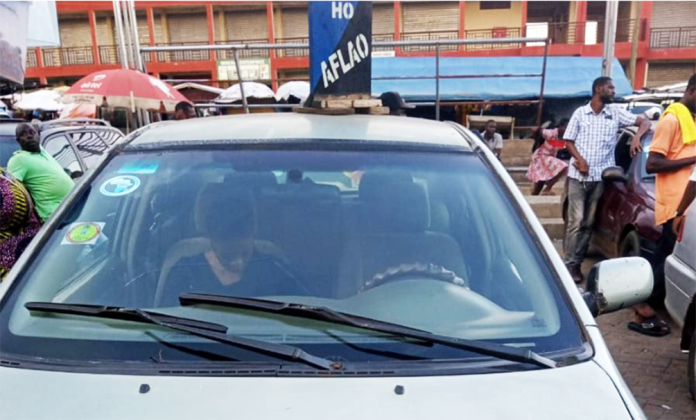
Drivers operating under the Progressive Transport Owners Association (PROTOA) on the Ho-Aflao, Akatsi, and Keta routes have refused to implement the recent 15 per cent reduction in lorry fares, citing the deplorable condition of roads along these routes.

This decision stands in contrast to other drivers at the Ho Main Station who have complied with the nationwide fare reduction directive.

Speaking to the Ghana News Agency (GNA), the station manager, Mr. Gabriel Fiankor explained that the drivers’ refusal stems from the deteriorating road conditions, which are significantly increasing wear and tear on their vehicles and inflating the cost of maintenance and spare parts.

He added that although the fare reduction has not been applied yet, the station leadership was in dialogue with the drivers to find a compromise in the interests of commuters.

“We have initiated several meetings with the drivers. The goal is to reach an understanding that considers both the passengers’ and the drivers’ challenges. I believe that in the coming days, we will arrive at an amicable resolution,” he stated.


Some drivers told the GNA that unless there is a significant drop in the cost of spare parts, they cannot absorb the losses that come with fare reductions.

Passengers who spoke to the GNA expressed frustration over the drivers’ decisions stating that they have no choice but to pay the current charges despite the nationwide fare reduction.

“We don’t have any other options. We just pay what they charge and hope that, with time, they’ll consider us and reduce the fares like the other drivers have.

The Ghana Private Road Transport Union (GPRTU) and other transport unions officially implemented the 15 per cent fare reduction nationwide on Saturday, May 24.

This move follows a continued drop in fuel prices, largely attributed to the recent appreciation of the Ghanaian cedi against major foreign currencies, including the US dollar.

While many passengers have welcomed the fare reductions, frustration remains high among commuters who ply routes where the directive is yet to take effect.

From Michael Foli, Ho

GNA 

Mahama to launch 24hr Economy on July 1

0
President John Dramani Mahama

President John Dramani Mahama on Wednesday engaged with the leadership of businesses and captains of industries on the Government’s new “24-Hour Economy Policy”,which is expected to be launched on July 1, 2025.

The “24-Hour Economy Policy” is a policy that aims to stimulate economic activity by encouraging businesses to operate around the clock or at least in multiple shifts, to increase productivity and create jobs.

The President’s multi-sectoral engagement on the implementation of the “24-Hour Economy Policy”, which is a crucial part of a national reset agenda of the government was attended by over 200 participants.

President Mahama said the 24-Hour vision was both a destination and a programme. He said as a destination, the 24-Hour Economy Policy reflected a state where Ghana’s productivity and capital utilisation would become so high that they would have to operate in multiple shifts across day and night, maximizing the return on infrastructure, on human resources and innovation.

This idea, he said, captured the public imagination during the 2024 campaign, which remained at the core of their drive towards full employment and inclusive economic growth.

He said as a programme, the 24-Hour Economy demanded a deep and deliberate restructuring of our productive economy.

“We must re-engineer our production systems from top to bottom, boosting volumes and diversity, and shifting from reliance on raw materials towards the export of value-added products, wholesome foods, pharmaceuticals, garments, industrial inputs and digital services,” President Mahama said.

He said earlier this month, he received a complete draft of the 24-Hour Economy Policy from his advisor, MrGoosie Tanoh.

President Mahama said he had reviewed the report and was confident there was now a coherent and actionable framework with which to deliver the results.

President Mahama said an effective catalyst for the 24-Hour Economy Policy was a stable macroeconomic environment, which they were achieving through close coordination between the monetary and fiscal authorities.However, the programme went beyond macroeconomic stability.

This, he said, was being pursued by the Ministry of Finance and the Bank of Ghana and that it focused sharply on production, enterprise, jobs and exports.

He noted that at its core, it was an integrated value chain transformation approach, which addressed structural bottlenecks not in isolation, but comprehensively through infrastructure, finance, land systems, logistics and skills development.

He said one of its boldest proposals was the development of the Volta Lake Economic Corridor.

He said the corridor, centred on the Volta Lake and the Volta Basin, would become a national production zone and logistics fund.

He noted that the 24-Hour Economy Policy document would be made public on Tuesday, June 3, 2025.

He said the 24-Hour Economy Secretariat would be decentralised to the district level to enable all districts to benefit from it

The President said the Government would officially launch the 24-Hour Plus programme on July 1st, Ghana’s Republic Day.

GNA

‘Support private sector to push 24-hr economy policy’

0
24-Hour economy

Professor Isaac Boateng, Pro. Vice Chancellor of Akenten Appiah-Menka University of Skills Training and Entrepreneurial Development (AAMUSTED) has challenged the government to prioritise support for the private sector to grow the 24-hour economic policy to address youth unemployment in the country.

According to him, the vision and mission of the Akenten Appiah-Menka University of Skills Training and Entrepreneurial Development (AAMUSTED) is to train students to create their own jobs to absorb other unemployed youth, because the government alone cannot employ every youth, especially young graduates in the formal sector.

Professor Boateng gave the advice at the Grand opening of Adams Kitchen and Food Factory, as the first food factory in Ghana at State Housing Company, dubbed Kuffour Estate at Opokukrom in the Atwima Nwabiagya South District of Ashanti region.

Prof Boateng said Mr. Adams Alex Sparfford, the Chief Executive Officer of Adams Kitchen and Food Factory is an Alumnus of AAMUSTED and that his efforts to establish the factory complement the vision and mission of the school, hence the need to support young entrepreneurs like him to excel.

Mr. Adams Alex Sparfford expressed his profound gratitude to Otumfuo Osei Tutu II, the Asantehene, and other chiefs for the support especially with the provision of the piece of land to set up the factory.

He promised to serve the public with healthy foods from natural spices, to ensure that the health of his clients are not compromised.

He indicated that his outfit is able to employ about 200 people and that should the government support him, he could add more to help eliminate or reduce the number of the unemployed youth in the country.

Mr. Emmanuel Opoku Anane, who represented the Ashanti Regional Minister, Dr. Frank Amoakohene, also commended the CEO of Adams Kitchen and Food Factory for the laudable initiative of providing healthy and nutritious meals to the public.

According to him, such initiative is in line with government policies to absorb the unemployed youth through job creation in collaboration with the private sector under economic driven policies.

He assured the youth in the region that he is always ready to support anyone with innovative ideas that seek to create jobs and help reducing unemployment especially among the youth.

‘We are in pain’ –Parents of abducted children cry out in Kano

0
Kidnapped children

Parents of kidnapped children in Kano say they are in immense pain as the world celebrates children worldwide.

The Chairman of the Coalition Of Parents for the Abducted Children in Kano State (COPACK), Comrade Isma’ila Ibrahim Muhammad told DAILY POST that they are still waiting for a miracle to happen in order to secure their kidnapped children.

He said, “We are happy about this day. However, we are sad as our children are still with their captors, they have changed their names and identities.

“We are praying that these children return to their parents,” he said.

He called on the Kano state government to revert to the outstanding issue of the children stolen from their homes.

“We are praying the state and Kano government to help us return our children to their parents. These children are not only Kano chldren, some of them are from other Northern states.

Muhammad also said they are pained and frustrated, urging for more vigilance from other parents to prevent such from happening.

Recall that there has been uproar in the north following the abduction of some children to the south east and south-south where it was alleged that their names and identities have been changed.

DAILY POST had reported a chilling story of the children’s plights in the two regions in one of its special reports.

Credit: dailypost.ng

Army Detains Female Soldier Over Alleged Theft, Misconduct

0

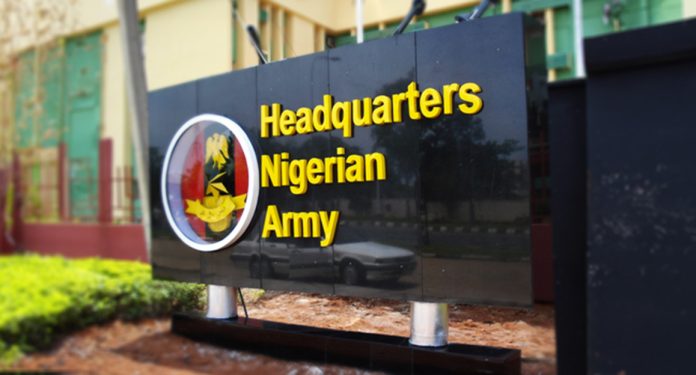
The Nigerian Army (NA) said it detained a female soldier, Corporal Amina Maidoki, following allegations of theft and misconduct.

In a statement signed by the Acting Director of Army Public Relations, Lt-Col Appolonia Anele, the Army said Maidoki has since been subjected to investigation in connection with “allegations of conduct inconsistent with the core values of the Nigerian Army, including but not limited to the allegation of theft”.

“As a professional military institution, the NA is guided by extant provisions of the Armed Forces Act (Cap A20 LFN 2004), internal regulations, and the highest standards of military ethics. Consequently, her temporary detention is in accordance with the lawful procedures stipulated for service personnel.

“It is important to note that disciplinary measures within the Nigerian Army are not arbitrary. They are governed by due process, and all personnel are entitled to procedural fairness.

“The ongoing investigation into this matter is being conducted with the utmost regard for Corporal Maidoki’s legal and human rights, and she continues to receive appropriate welfare in line with military standards,” the statement read.

The Army denied any allegation of unlawful detention or denial of legal representation. “All such claims are false and are rendered simply to mislead the public and draw undue sentiments. We therefore encourage the general public to disregard such false submissions,” the Army said.

The Army said that updates on the investigation would be provided at the appropriate time and urged the public to refrain from speculative commentary.

The Army also acknowledged the concerns of Maidoki’s family, assuring that it remained open to lawful communication and engagement provided such interactions aligned with the operational and investigative procedures currently in place.

“The Nigerian Army ensures that the rights of all accused are respected irrespective of the persons involved.

“However, no individual is above the law or exempt from military discipline. Allegations of misconduct must be addressed thoroughly and lawfully to preserve the integrity, cohesion, and effectiveness of the Nigerian Army,” the statement concluded.

Credit: channelstv.com

House of Reps to probe alleged violation of Student Loan Act

0
House of Representatives

The House of Representatives has passed a resolution to investigate alleged violations of the Student Loan Act.

This is sequel to a motion of urgent importance on alleged unethical practices in the disbursement of student loans by Aliyu Abdullahi.

Presenting the motion on the floor of the House, Mustapha expressed deep concern over alleged misconduct threatening the integrity and transparency of the student loan scheme established under the Student Loans (Access to Higher Education) Act, 2024.

The programme, which offers interest-free loans to eligible Nigerian students, has reportedly recorded over 500,000 registered applicants and disbursed more than ₦54 billion nationwide. However, Mustapha cited disturbing revelations that cast serious doubt on the administration of the scheme.

The lawmaker cited cases of students who have graduated still receiving loans, as well as loan payments to institutions even after students have paid their fees among others.

The lawmaker alleged collusion between some tertiary institutions and financial institutions to delay, divert, or conceal student loan disbursements.

He said instances had emerged where institutions received funds on behalf of students but failed to inform the beneficiaries or update their financial records, a direct violation of the Nigerian Education Loan Fund (NELFUND) guidelines.

The lawmaker also referenced findings by the Federal Ministry of Education, which uncovered unauthorised deductions from student loan payments by certain universities. Describing such actions as a gross breach of public trust and a violation of the Student Loans Act, Mustapha called for urgent legislative scrutiny.

He further revealed that the programme was plagued by weak verification systems, citing examples of inflated school fees uploaded to the NELFUND portal, disbursements made to students who had already graduated, and payments sent to institutions even after students had independently paid their tuition.

Credit: channelstv.com

Gowon, Tinubu, West African Presidents Mark ECOWAS @50

0
ECOWAS leaders

 Former Nigerian Head of State, General Yakubu Gowon, and President Bola Tinubu, on Wednesday, took part in the ceremonial signing of a commemorative card marking the 50th anniversary of the Economic Community of West African States (ECOWAS).

The event was held in the conference chamber of the Nigerian Institute of International Affairs (NIIA) where the original ECOWAS treaty was signed in 1975.

General Gowon, the only surviving leader among the original signatories of the treaty that established the ECOWAS, was specially honored for his pioneering role in promoting regional integration.

Also in attendance were the Presidents of Liberia (Joseph Boakai), Togo (Faure Gnassingbé Eyadéma), and Guinea-Bissau (Umaro Sissoco Embaló), who jointly issued a declaration reaffirming their commitment to the founding ideals and aspirations of ECOWAS.

Presidents of other member states were represented at the event, with the exception of Mali, Niger, and Burkina Faso, which have withdrawn from the regional bloc due to political disagreements.

Credit: channelstv.com

GITFiC 2025 USD/GHS exchange rate projection report 

0
GITFiC

Objective

This report provides a data-driven projection of the USD to GHS exchange rate for the year 2025. It offers insights into recent trends, economic drivers, technical indicators, and macroeconomic expectations, serving as a reliable guide for stakeholders in trade, finance, and policy formulation.

Executive Summary

The Ghanaian Cedi (GHS) has shown a notable recovery against the United States Dollar (USD) in recent months, driven by significant structural adjustments, monetary discipline, and external sector performance.

As of May 24, 2025, the GHS appreciated by 8.891% on a weekly basis, with the interbank mid-rate reaching 11.07 GHS/USD.

This appreciation reflects investor confidence following Ghana’s successful debt restructuring, improved commodity exports, and decisive interventions by the Bank of Ghana.

On an annual basis, the cedi is projected to appreciate by approximately 28.94% in 2025 compared to its average rate in 2024, underscoring a strong recovery trajectory and sustained macroeconomic stability.

GITFiC projects an average USD/GHS exchange rate of 10.02 for 2025, within a range of 7.09 to 13.16. The cedi is expected to maintain relative strength through Q2 2025, although volatility remains a risk due to domestic import demand and potential shifts in global monetary policy.

 Current Exchange Rate Dynamics and Recent Trends

Spot Rate (May 26, 2025): 1 USD = 11.11 GHS (mid-market).

Trend: The cedi has appreciated significantly from its weakest position of 16.44 GHS/USD in late 2024.

Performance Drivers:

They are Debt restructuring success (including bilateral and multilateral agreements), Firming commodity prices (especially gold, cocoa, and crude oil), Reduced speculative activity in forex markets, and Central bank liquidity interventions and monetary stability.


Historical Exchange Rate Averages

2009–2025 Average: 1 USD = 5.345 GHS, 2020: 5.6 GHS, 2022: 8.4 GHS, 2023: 11.2 GHS, and 2024: 14.1 GHS


Factors Driving the Cedi’s Appreciation

The following economic and financial factors have contributed to the recent and projected appreciation of the GHS: Macroeconomic Fundamentals, Debt Sustainability Improvements: The Government of Ghana’s successful debt restructuring, including a $5.4 billion bilateral agreement and a $3 billion IMF-supported programme, has improved market confidence and fiscal space, Fiscal Reforms and Consolidation: Reduction in primary deficits and enhanced revenue mobilization have improved macroeconomic indicators.

Others are Commodity Export Earnings: Ghana’s trade position has been supported by steady or rising prices of gold, cocoa, and oil.

Notably, gold reserves increased from 22.3 to 31.2 tonnes by April 2025, boosting foreign exchange supply.

Monetary Policy Response

Foreign Exchange Intervention: The Bank of Ghana injected over $490 million into the forex market to stabilize the cedi, alleviating short-term demand pressure.

Policy Rate Stability: The benchmark monetary policy rate has been maintained at 28%, reinforcing price stability and anchoring inflation expectations.

Exchange Rate Mechanism: Daily exchange rates are determined using a weighted median of interbank forex market transactions, enhancing transparency and efficiency.


Technical and Quantitative Forecasting Indicators

GITFiC’s forecasting model integrates fundamental analysis with technical indicators and econometric inputs:

 Moving Averages

50-Day Simple Moving Average (SMA): Currently at 12.83 GHS/USD, indicating the cedi remains in a strengthening phase.

200-Day SMA: At 14.53 GHS/USD, showing a reversal from long-term depreciation trends.


Relative Strength Index (RSI)

14-day RSI: At 90.13, the cedi is in overbought territory, suggesting a possible short-term correction; however, long-term indicators remain positive.

Volatility Metrics

30-Day Volatility: 6.31%, down from 7.43% in 2024. This reflects growing market confidence and reduced forex market speculation.


The GITFiC 2025 Exchange Rate Forecast

Projection Summary:

Period  USD/GHS Rate (Range)        Cedi to USD Equivalent

Annual Average          10.02 GHS      $0.099 per GHS

Full Year Range          7.09 – 13.16 GHS       $0.076 – $0.141 per GHS


Quarterly Outlook

Q1–Q2 2025:

Estimated range: 9.00 – 11.76 GHS/USD

The cedi is expected to retain resilience due to IMF disbursements, increased gold reserves, and fiscal discipline.

Q3–Q4 2025:

Estimated range: 7.09 – 10.50 GHS/USD

Continued reforms and commodity earnings could drive further appreciation, but risks remain from global monetary tightening and seasonal import pressures.


Risks and Volatility Factors

Despite the cedi’s bullish momentum, the following risks could introduce volatility:

Import Demand Pressure: High domestic import requirements, especially for refined petroleum, machinery, and food, may exert pressure on the cedi.

Inflation: Although headline inflation has moderated from the peak, persistent core inflation above 20% could limit monetary policy flexibility.

Global Monetary Conditions: Potential delays in rate cuts by the U.S. Federal Reserve may strengthen the USD globally, reversing some gains for emerging market currencies.

External Sector Shocks: Commodity price fluctuations or geopolitical tensions may impact Ghana’s trade and capital inflows.

Political Stability and Reforms: Post-election implementation of fiscal and structural reforms will be critical to sustaining macroeconomic stability.


The GITFiC Recommendations for Stakeholders

Policymakers: Should prioritize structural reforms, domestic revenue mobilization, and diversification of export base to reduce cedi vulnerability.

Businesses: Must adopt hedging strategies against currency risks, particularly those with high foreign exchange exposure.

Investors: Should consider medium- to long-term opportunities in GHS-denominated assets, especially in government bonds and real sectors aligned with export expansion.

Development Partners: Must continue technical and financial support for Ghana’s reform agenda, with a focus on debt sustainability and inclusive growth.

Conclusion

GITFiC’s analysis suggests that the Ghanaian Cedi will continue its trajectory of recovery in 2025, supported by robust macroeconomic and technical indicators.

While short-term corrections are possible due to market dynamics, the overall outlook is one of cautious optimism.

Strategic policy implementation and external stability will be essential to maintaining the cedi’s strength throughout the year.

By Isaac Osei Owusu Lead Analyst, Research, Advocacy and Policy 

The Ghanaian Chronicle