Home Blog Page 747

Indian military chief acknowledges loss of fighter jets in conflict with Pakistan

0
India's Chief of Defence Staff Anil Chauhan

India’s military has acknowledged for the first time that an unspecified number of its fighter jets were shot down during strikes on Pakistani-controlled territory amid intense fighting between the neighbors in early May.

Indian officials had previously refused to confirm even a single aircraft loss.

Asked by a Bloomberg correspondent on Saturday if Pakistan was correct in its claim that “six Indian jets” were downed, Anil Chauhan, the chief of defense staff of the Indian Armed Forces, initially denied the veracity of the claim, stating: “Absolutely incorrect and that is not information which, as I said, is important.”

But he went on to say that “what is important is why they went down,” seeming to imply that a number of jets were shot down during fighting between the historic foes, although not confirming how many. “That is more important for us. And what did we do after that? That’s more important,” he said, speaking to Bloomberg’s Haslinda Amin while attending the Shangri-La Dialogue, Asia’s premier defense forum, in Singapore.

The official also accepted that India’s military had made a “tactical mistake,” in response to another question about Pakistan’s claim. Pakistan claimed its pilots shot down five Indian fighter jets in aerial battles – including three advanced French-made Rafales – after India launched its military operation against Pakistan in early May. Pakistan said it used Chinese-made fighter jets to shoot down the Indian combat aircraft, including the Rafales.

Credit: cnn.com

Hamas makes hostage pledge but demands changes to US Gaza ceasefire plan

0
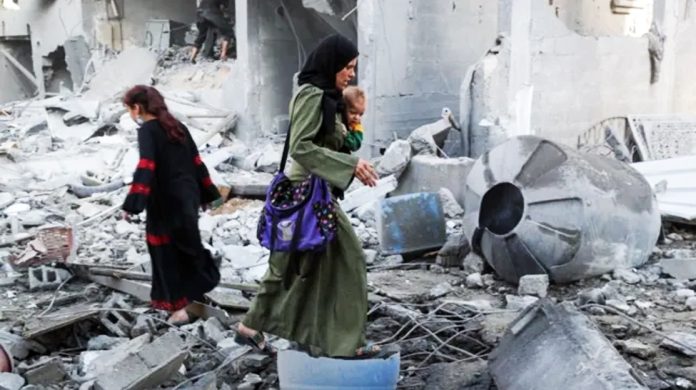
Palestinians inspect the damage at the site of an Israeli strike

Hamas responded to a US ceasefire proposal by saying it is prepared to release 10 living Israeli hostages and 18 dead hostages in exchange for a number of Palestinian prisoners, while requesting some amendments to the plan.

The group repeated its demands for a permanent truce, a complete Israeli withdrawal from Gaza and guarantees for the continuous flow of humanitarian aid. None of these are in the deal on the table.

It was neither an explicit rejection nor a clear acceptance of the US terms, which Washington says Israel has accepted.

Hamas said it had submitted its response to the US draft proposed by Steve Witkoff, US President Donald Trump’s special envoy for the Middle East.

In a statement, Witkoff said: “I received the Hamas response to the United States’ proposal. It is totally unacceptable and only takes us backward. Hamas should accept the framework proposal we put forward as the basis for proximity talks, which we can begin immediately this coming week.

“That is the only way we can close a 60-day ceasefire deal in the coming days.”

A statement from Israeli Prime Minister Benjamin Netanyahu’s office said: “While Israel has agreed to the updated Witkoff outline for the release of our hostages, Hamas continues to adhere to its refusal.”

Hamas, a proscribed terror group in the US, UK and EU, said it was insisting on a “permanent ceasefire” and “complete withdrawal” of Israeli forces from the Gaza Strip.

The group demanded a sustained flow of aid for Palestinians living in the enclave, and said it would release 10 living hostages and the bodies of 18 dead hostages in exchange for “an agreed upon number” of Palestinian prisoners in Israel.

Credit: bbc.com

Australia asks China to explain ‘extraordinary’ military build-up

0
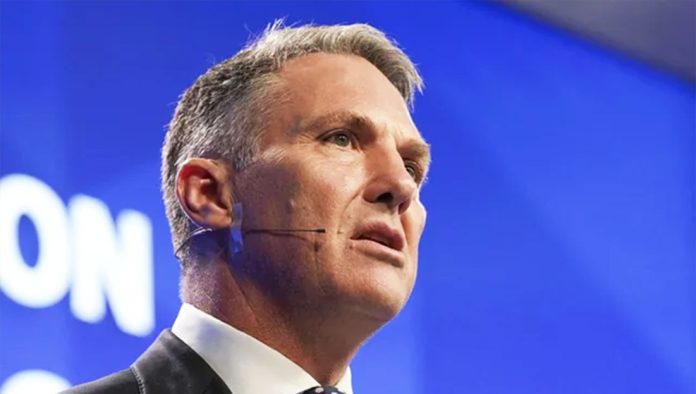
Australia's defence minister Richard Marles

Australia’s defence minister Richard Marles has called on China to explain why it needs to have “such an extraordinary military build-up”. He said Beijing needs to provide greater transparency and reassurance as it is the “fundamental issue” for the region.

Meanwhile, the Philippines defence minister Gilberto Teodoro Jr has called China “absolutely irresponsible and reckless” in its actions in the South China Sea.

The ministers had separately addressed reporters on the sidelines of an Asian defence summit held in Singapore.

China has yet to respond to either Marles or Teodoro. Organised by the think tank International Institute for Strategic Studies, the Shangri-la Dialogue has traditionally been anchored by the US and China, which have been jostling for power in the region.

This year China has sent a lower-level delegation and scrapped its speech. In the absence of a strong Chinese presence, the dialogue has been dominated by criticism and questions of Beijing posed by the US and its allies.

On Sunday morning, Marles asserted that “what we have seen from China is the single biggest increase in military capability and build up in conventional sense, by any country since the end of the Second World War”.

It is not just the size of the military build-up that concerns other countries, he told reporters.

He cited Australia as an example of such transparency, noting that Canberra makes public its national defence strategy and defence reviews, and makes it “utterly clear” that when they build up their defences it is for Australia and Asia’s security.

Credit: bbc.com

98% of NTDs are curable – Health Director 

0
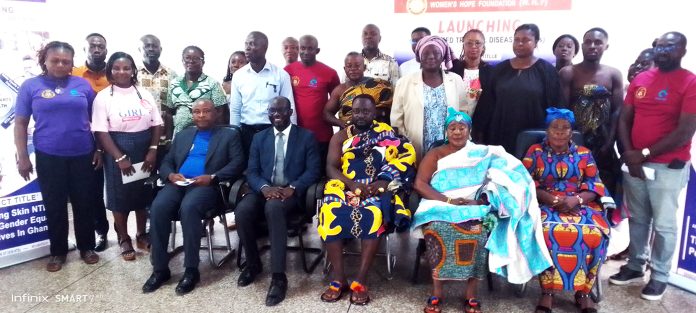
Regional Health Director and stakeholders at the launch

Dr Frederick Adomako Boateng, the Ashanti Regional Director of Ghana Health Services (GHSs), has stated that about 98% of Neglected Tropical Diseases (NTDs) are not spiritual, as perceived by the general public.

He said NTDs are curable and the primary goal of elimination is by appropriate treatment by 2030 through the Mass Drugs Administration, morbidity control management to eliminate the diseases.

Some of the Neglected Tropical Diseases (NTDs) are Leprosy, Buruli Ulcer, Rabies, Soil Transmitted Helminthes, Trachoma, Schistosomiasis and Yaws.

Dr Adomako Boateng disclosed this at the launch of Neglected Tropical Diseases (NTDs) organised by Women’s Hope Foundation at the Regional Health Directorate, under the theme: “Combating Skin NTDs through Gender Equality perspective in Ghana”.

He commended Women’s Hope Foundation (WHF) for the laudable initiative towards addressing discrimination against persons affected by the Neglected Tropical Diseases (NTDs).

He explained that a group of 20 infectious and parasitic diseases which affect over a billion people worldwide are in extreme poverty, severely delimiting and disabling.

According to him, they are being neglected because of their economic situations, lack of political voice, lack of visibility and low risk perception. They are also being neglected by health Authorities, Health professionals, families and relatives.

Mr. Alex Adusi, the Executive Director of Women’s Hope Foundation explained that in order to eliminate the NTDs in the country, communities needed basic Social Determinants of health, and  announced that the foundation provides clean water, employment, toilet facilities, NTD Education and information, provide care and support for people with skin NTDs,  awareness and sensitisation.

Nana Kofi Oppong III, Atimatim Dikro, and Chairman for the occasion commended the Foundation for the initiative towards creating awareness and sensitization against discrimination and the stigmatization against people with the Neglected Tropical Diseases (NTDs) in the country.

According to him, the fight against NTDs is not an easy task and entreated all stakeholders and policy makers to prioritise the fight by supporting the foundation to help eliminate NTDs in the various communities.

The chief advised families and relatives not to abandon people with NTDs but support them to access the right treatment to recover rather than neglect, discriminate and stigmatise them.

KNUST Researchers make major breakthrough in Agric research

0
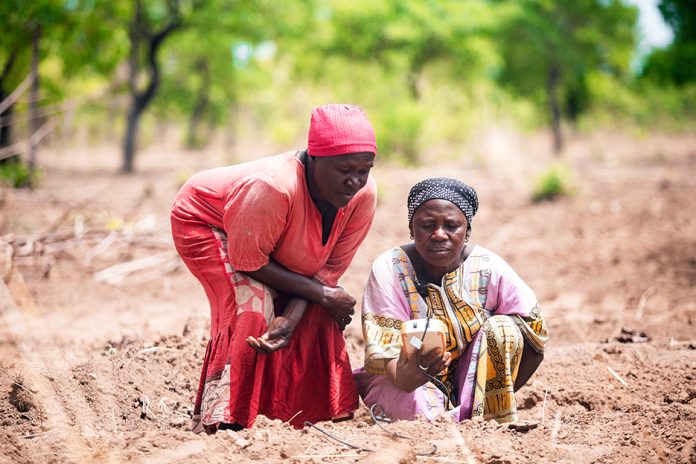
Farmers accessing the Farmsense project in one of the communities

A ground-breaking agricultural innovation, Farmsense, is poised to revolutionise farming across Ghana, with an ambitious plan to benefit over 20,000 smallholder farmers in the short term and scale up to reach one million by 2030.

The project is the brainchild of researchers from the Kwame Nkrumah University of Science and Technology (KNUST) and is being led by Sesi Technologies, a Ghanaian Agritech company.

Farmsense is funded by Innovate UK, through its Knowledge Transfer Partnership (KTP) programme, in collaboration with Manchester Metropolitan University.

In an interview with The Chronicle, Ing. Isaac Sesi, Chief Executive Officer (CEO) of Sesi Technologies, explained that Farmsense enables farmers to measure soil nutrients such as nitrogen, phosphorus, potassium and electrical conductivity, providing them with data-driven insights for smarter decision-making.

“Farmers have, for many years, farmed blindly without understanding their soil needs. Season after Season, they plant crops that may not suit the land, leading to low productivity,” Ing. Sesi noted.

The Farmsense system includes a soil sensor and a mobile app that analyses and delivers insights to farmers. For those with limited digital literacy, a WhatsApp-based version is available to ensure accessibility.

The technology is designed to work offline in areas with limited or no internet, making it ideal for remote farming communities.

“We know the realities our farmers face. So, parts of the system function without internet access. With some training, even farmers with basic Smartphones can use it,” Ing. Isaac Sesi said.

A central analytics platform also supports agribusinesses, extension officers, and NGOs working with large farmer groups, enabling them to monitor soil health and make informed recommendations.

Protecting the Environment

Beyond improving yields, Farmsense addresses environmental issues linked to overuse of fertilisers. “Farmers often apply fertilisers without testing their soil. This leads to environmental degradation and poor crop results. Farmsense helps apply the right nutrients in the right amounts,” Ing. Sesi explained.

By optimising soil management, the technology also reduces the need to clear new land, protecting forests and biodiversity. Farmsense is a commercial product, not a donor-driven pilot. It is being rolled out through organisations, such as outgrower schemes, NGOs and district agricultural offices that already support smallholder farmers.

“We work through partners who provide seeds, inputs and financing to farmers. That’s how we scale sustainably,” said Ing. Isaac Sesi.

Sesi Technologies previously launched GrainMate, a moisture meter used by grain farmers across Ghana to reduce post-harvest losses. Like Farmsense, it began as a university research project at KNUST.

“I was a research engineer at KNUST working on GrainMate. We later commercialised it at Sesi Technologies, and it’s now helping farmers preserve their grains across the country,” Ing. Isaac Sesi said.

£300,000 Innovation Investment

The total project investment stands at £300,000 funded by Innovate UK under the KTP framework. Partners include Sesi Technologies, KNUST and Manchester Metropolitan University.

A Call for Local Support

Sesi urged the Ghanaian government to support local innovation: “We often look abroad for solutions that don’t fit our context, while local innovators are building technology that works. With support, these solutions can transform our economy and even be exported.”

Farmsense represents a transformative step in Ghana’s agricultural future. Rooted in local research, built by local talent, and supported through international collaboration, it offers the tools to boost yields, protect the environment, and increase farmer incomes while laying the foundation for a more food-secure Ghana.

The truth about saturated fat

0

Mainstream science says eating too much saturated fat raises cholesterol and the risk of heart disease, so why are some diet trends encouraging people to eat more of it?

Advice to limit intake of saturated fat has been official government policy in many countries, including the UK, for decades.

But many people are ignoring this advice, preferring to believe that saturated fat – which is in high amounts in foods such as meat products, full fat dairy, butter, ghee, cakes and biscuits, as well as coconut and palm oils – isn’t bad for us, even at high intakes.

You’ll almost certainly be having more saturated fat than the officially recommended amount if you’re doing one of the popular low carbohydrate regimens, like the keto or paleo diet, or if you’re following the trend of spooning a butter or fat into your coffee each morning. Eat much more than 100g of fatty meat, pastries, or cheese each day and you’ll also easily get beyond the limit, given by UK dietary guidelines as 20g for women or 30g for men.

Mainstream nutrition science says too much saturated fat raises cholesterol levels in the blood, which can lead to arteries becoming “furred up” and an increased chance of having a heart attack or stroke. But a few scientists argue that saturated fat isn’t the issue in heart disease, pointing to chronic inflammation instead.

Low carbohydrate, high fat (LCHF) proponents also – controversially – suggest that the current “low fat, high carb” dietary guidelines are wrong and that obesity and diabetes would be better tackled by eating fat, including saturated fat, alongside reducing carbohydrates and avoiding snacking – a position that’s been challenged by experts at the British Dietetic Association and others, who believe it’s less that the guidelines are wrong, and more that we aren’t following them.

For the general population, most countries’ health organisations recommend limiting fat, particularly saturated fat. UK dietary guidelines, for example, advocate up to 35% of our dietary energy (calories) should come from fat and about 50% from carbohydrates. (It’s worth noting that this could actually be considered a moderate fat, moderate carbohydrate diet, not a low fat, high carbohydrate one).

For saturated fat specifically, the numbers are even lower. The UK recommends that it should comprise no more than 11% of our food and drink calories, while the US and the World Health Organization recommend less than 10%. That would be roughly 20g a day in women (the equivalent of 2.5 tablespoons butter or four supermarket sausages) and 30g a day in men (a quarter-pounder hamburger with cheese, plus four tablespoons of double cream).

The American Heart Association goes further, suggesting a figure of 5-6%.

As headlines are often contradictory and experts seem to disagree, it’s no wonder people don’t know what to believe about saturated fat. What is the reality?

Lynne Garton, a registered dietitian and dietetic advisor to the cholesterol charity Heart UK, says the latest trend to embrace saturated fats over other types is very worrying: we’re already eating too much. UK adults overshoot recommendations by consuming 12.5% of calories from saturated fat, even though their total fat intake is approximately on target. Americans average 11% of their calories from saturated fat and Australians 12%.

“Several factors contribute to raised blood cholesterol, but a diet high in saturated fat is definitely one of them, and this has been confirmed in studies going as far back as the 1950s,” says Garton.

“Furthermore, despite some claims to the contrary, the wealth of scientific evidence indicates total and LDL (low-density lipoprotein) cholesterol – often referred to as the ‘bad’ cholesterol – are proven contributors to heart disease.”

Garton adds that some people might benefit from eating even less saturated fat than the standard recommendation – specifically those who have other risk factors for heart disease.

Fat replacement

That said, saturated fat isn’t as straightforwardly villainous as was once thought. That’s because it is only one of several dietary factors affecting heart disease risk, all of which are interrelated.

Not to mention that if you take some saturated fat out of your diet, you’re probably replacing those calories with something else.

“Some studies have questioned a direct link between saturated fat and heart disease, but these have generally not considered what replaces saturated fat when it is reduced in the diet – a point that’s crucial,” says Garton.

A number of international organisations draw on scientific evidence to recommend reducing saturated fat and replacing it with unsaturated fat.

By Angela Dowden

Credit: bbc.com

Feature: How Digital Payment Is Changing Lives in Ghana

0

“I used to go to the bank almost every week, sometimes just to check my balance or transfer money to someone,” recalls Gloria Mensah, a Shop owner in her 30s in Ablekuma.

“It was stressful. Long queues, limited working hours, and sometimes even network issues at the bank itself. But once I started using MoMo everything changed.”

For Gloria, it started with convenience. “I realized I could do all those things from my phone, at any time even at night. So gradually, I stopped going to the bank altogether.” The convenience wasn’t just about saving time it was about transforming daily routines.

“With MoMo, I can send money, buy airtime, pay bills, or even pay for food all within minutes,” she explains. “At the bank, a simple transfer could take 30 minutes. Now, it takes less than 30 seconds. That difference is too significant to ignore.”

Gloria’s experience hasn’t been without hiccups. She’s had to deal with network failures and once sent money to the wrong number. “Thankfully, MTN helped me reverse it, but it took a few days,” she admits. “Fraud is also something I worry about. I always double-check numbers and never share my PIN.”

Despite these issues, the benefits far outweigh the risks for her. “It has really simplified my life. I work from home most days, so being able to pay for utilities, send school fees, or shop without leaving my house is a huge relief.”

When asked if she’d recommend digital platforms to others, her response is emphatic: “Absolutely. I recommend it all the time especially to my mum and my aunties who still think they have to go to the bank to withdraw money. I tell them, ‘You’re wasting your time!’”

The rise of Mobile Money

Before mobile money stormed the scene, banking in Ghana meant physically visiting brick-and-mortar institutions for almost every transaction. Whether depositing school fees, paying for goods, or checking a balance, it involved a trip, a queue, and some paperwork.

Then came the rise of mobile money pioneered by MTN MoMo, Vodafone Cash, and AirtelTigo Money and the later wave of fintech innovations from Zeepay, Hubtel, ExpressPay, and others. These platforms rapidly transformed the way people send, receive, and manage money.

Ghana’s mobile money ecosystem recorded a significant rise in transactional activity in April 2025, with the total value of transactions reaching a record GHC 365.0 billion, according to the latest summary of economic and financial data published by the Bank of Ghana.

This represents a month-on-month increase of 3.8% from GHC 351.7 billion recorded in March 2025. It also marks the highest monthly value since the beginning of the year, underscoring the growing reliance on mobile financial services for both personal and business transactions.

In tandem with the value surge, the number of mobile money transactions also rose, climbing from 764 million in March to 778 million in April. The continued expansion highlights mobile money’s pivotal role in promoting financial inclusion and streamlining digital payments nationwide.

Internet and Mobile Banking on the Rise

The data further indicates a steady increase in mobile money usage, driven by rising mobile penetration, agent network growth, and the convenience of mobile-based financial platforms.

The bank’s stability Review report, the number of internet banking customers increased by 16.60% to 1,317,003 in 2023, from 1,129,387 in 2022. Similarly, the number of registered mobile banking customers increased by 51.54% to 7,287,579 from 4,809,103 in 2022.

Again, the total value of internet banking transactions increased by 22.90% to GH₵98,870 million in 2023, compared with GH₵80,440 million in 2022. Total volume of internet banking transactions also increased by 30.65% to 13,501,492 in 2023 from 10,334,353 in 2022.

The value of mobile banking transactions was GH₵80,400 million in 2023, compared to GH₵38,475 million in 2022 and the volume of mobile banking transactions was 66,941,069 in 2023 compared to 65,322,898 in 2022.

For Kwabena Asare who set up a small wooden kiosk at Ofankor Barrier in 2018 to supplement the income from his corner shop, he had no idea he was becoming part of a quiet revolution.

“Initially, it was just a side hustle but the demand was overwhelming. People didn’t want to carry cash anymore they wanted to send and receive money with their phones’” he recalls.

That decision to become a mobile money (MoMo) agent transformed not only Kwabena’s business, but his entire community.

“Now, I handle hundreds of transactions a day—cash-ins, cash-outs, bill payments, even SIM registrations,” he says. “Mobile money has become part of everyday life especially for traders, drivers, students, and even older folks.”

For many Ghanaians, MoMo vendors like Kwabena are the frontline of the country’s rapidly evolving digital economy. Long queues at banks, limited access in rural areas, and the growing ease of cashless payments have pushed more citizens to rely on mobile wallets rather than traditional banking.

But the business is not without challenges. Fraud attempts are common. “I’ve been targeted by scammers pretending to be MTN workers,” he says. “One person even tried to reverse a genuine transaction by faking a complaint. If you’re not alert, you can lose money fast.”

Still, Kwabena sees his role as bigger than just profit. “This is more than business. It’s a service to the community. Many of my customers don’t even have bank accounts. They used to travel far to access a bank, but now they just come here—or use their phones.”

E-Levy

The Chief Executive Officer of the Ghana Chamber of Telecommunications, Kenneth Ashigbey said mobile money offers a great opportunity to improve government’s revenue mobilization as well as bring a lot more transparency into and capture data of economic activity in Ghana.

In 2023, when the government introduced the Electronic Levy (E-Levy) of 1.75% on all mobile money transactions, Kenneth Ashigbey described it as ill-timed. However, the levy has now been repealed. Commenting on this development, he said, “With this removal, we expect an increase in both the volume and value of digital transactions. This growth will boost profitability for financial institutions, leading to higher corporate tax revenues for the government.”

He added: “Additionally, more digital transactions will reduce the cost of printing physical currency, benefiting the Bank of Ghana. It will also generate valuable data for policymakers to enhance fiscal and monetary strategies,”

Ing. Dr. Ashigbey also noted that the removal of the E-Levy aligns with the government’s financial inclusion strategy, fostering a more digitized economy while easing financial burdens on businesses and consumers alike.

The Role of Fintech

The President of the Fintech Association of Ghana, Martin Kwame Awaga speaking to The Chronicle in an interview emphasized how fintechs have completely changed the way Ghanaians conduct financial transactions.

“Gone are the days when people had to queue at the bank just to check their balance or make a transfer,” he said. “Now, mobile money platforms and digital wallets have put financial power directly in the hands of the people.”

He noted that fintech has significantly improved financial inclusion, especially for the unbanked and underbanked populations in rural and peri-urban communities. “With just a mobile phone, anyone can now send money, pay utility bills, or access micro-loans. That is transformative,” Awaga said.

One of the most important points he stressed was the growing challenge and opportunity of collaboration between fintechs and traditional banks.

While they share a common goal of improving access to financial services, Mr. Awaga acknowledged that legacy systems and risk-averse attitudes have created friction.

“The major hurdle is the difference in operational and regulatory mindsets but platforms like GhIPSS have started bridging that gap by creating interoperable systems,” he said.

He also spoke about the evolving expectations of consumers. “Digital platforms are not just changing how people transact. They are changing what people expect from financial services. Today, Ghanaians want speed, reliability, low fees, and simplicity,” he said. “If a fintech app can’t deliver that, users will switch in seconds.”

Tackling Digital Fraud

Awaga made a critical point about cybersecurity, describing it as a growing concern in the digital space. “As digital transactions increase, so do fraud attempts. That’s why we’re not only investing in advanced fraud detection and biometric authentication—we’re also leading a national public education campaign.”

He highlighted the “Cyber Heist” initiative—an innovative play launched in partnership with Village Minds Production and Fintech Management Solutions—which uses storytelling to educate Ghanaians about online scams. “We take it to markets, schools, and communities. We want every citizen to understand the risks and how to protect themselves.”

Mr. Awaga painted a picture of a digitally integrated future where fintechs play a central role in cross-border payments, decentralized finance, and even digital currencies issued by the central bank.

The role of Digital Banking

Divisional Director, Corporate and Institutional Banking at Fidelity Bank Ghana, Kwabena Boateng emphasized the critical role of digital transformation and collaboration in shaping the future of banking.

Highlighting the shift towards digital financial transactions, he noted that while 40% of Ghanaians have bank accounts, many remain dormant. Conversely, 60% of Ghanaians use mobile money, reflecting the impact of internet connectivity on financial transactions.

“In the past year, 64% of Ghanaians initiated digital payments, signalling a significant shift from traditional banking to digitization. However, debit card usage remains low at around 18%, due to the prevalence of mobile money,” He noted.

Kwabena applauded the rise of FinTech companies like M-Pesa, EcoCash, Flutterwave, Paystack, Leatherback, and Onafriq. These companies, along with Agritech solutions like Complete Farmer and Aerobotics, are revolutionizing financial services, cross-border payments, and agricultural productivity across the continent.

Fidelity Bank itself embodies the collaborative spirit. The bank actively collaborates with FinTech companies like Insano, ExpressPay, ZeePay, and ITC. He emphasized,

“This mutual dependency between banks and FinTechs will drive the agenda of business collaboration in Africa, leading to global success.”

This report is produced under the DPI Africa Journalism Fellowship Programme of the Media Foundation for West Africa and Co-Develop.”


Armwrestling and Fire Service Forge Development Partnership

0

The Ghana Armwrestling Federation (GAF), in a bid to promote physical fitness and sports development among security personnel, has met with the leadership of the Ghana National Fire Service in Accra to discuss partnership in the development and promotion of Armwrestling in the service.

The GAF, led by its President, Charles Osei Asibey, made its intentions known during the strategic meeting with the Acting Chief Fire Officer, Daniella Mawusi Ntow Sarpong. The engagement focused on strengthening the presence of Armwrestling within the security services, with an emphasis on promoting inclusive participation for both civilians and uniformed personnel.

The two organizations agreed to work together to identify and nurture talented firefighters with potential in Armwrestling. The Fire Service will form an Armwrestling Club that will provide expert coaching, and sports psychology guidance to help athletes develop their skills and become champions. This initiative is expected to not only improve physical fitness among firefighters but also promote teamwork and community engagement.

“We are excited about this partnership and its potential to promote Armwrestling  development within the Fire Service,” said Chief Fire Officer Daniella Mawusi Ntow Sarpong. “We believe that Armwrestling will help our personnel develop the strength, endurance, and agility needed to perform their duties effectively.”

Madam Daniella further directed that the Human Resource Department and Sports Unit of the Fire Service immediately engage with the Ghana Armwrestling Federation to recruit fire officers to participate in the sport. “We want to ensure that our personnel are fit and ready to combat or prevent fires at all times,” she emphasized.

Recalling the Fire Service’s past achievements in sports, Chief Fire Officer Daniella Mawusi Ntow Sarpong added, “We have produced quality national athletes in the past, and we will revisit the past by ensuring our officers participate in Armwrestling. We are confident that our personnel will excel in this sport and bring glory to the Ghana National Fire Service and the nation.”

The chief fire officer concluded, “with this partnership, we will produce world champions soon, and this will change the image and narratives of the Ghana National Fire Service. We will show the world that we are not just firefighters, but also champions in sports.”

President Charles Osei Asibey of the Ghana Armwrestling Federation added, “This partnership is a significant step towards promoting Armwrestling in Ghana. We are confident that the Fire  Armwrestling Club will produce talented athletes who will make us proud on the national and international stage.”

In recognition of her support for sports development and inclusive engagement, Acting Chief Fire Officer President Charles Osei Asibey was officially named a Patron of the Federation and presented with commemorative medals.

The visit marks a significant step in deepening collaboration between the Ghana Armwrestling Federation and national security institutions, using the sport as a platform for unity, empowerment, and national cohesion.

Present were Vice President Dr. Kofi Addo-Agyekum, Secretary General Jesse Agyepong, Board Members Edwin Amankwah, Husseini Akuetteh Addy, Godfrey Amarteifio and media consultant Kenneth Odeng Adade.

Source : www.ghanaarmwrestling.org


Feature: The Art of Finding Work: Judging an Employer by Their Hiring Process is a Mistake

0

“People are so quick to judge and make decisions for themselves about situations they know absolutely nothing about.” – LeAnn Rimes, American singer and songwriter.

LinkedIn would be eerily quieter—I’d estimate 30% fewer rants and significantly less nonsensical drama—if job seekers stopped perpetuating the false narrative that their experiences with a company’s Director of Talent Acquisition or Human Resources Manager reflect the company’s culture. It’s perplexing that many job seekers judge a company based on just a few interactions. This shortsightedness does not do their job search any favours.

Many job seekers like to proclaim, “A company’s hiring process is a reflection of its culture.” This is a limiting belief. Just because Mary in HR is having a bad day doesn’t mean all her colleagues are equally miserable. Terrance, your interviewer and potential boss, ghosting you after a second interview says everything about him and nothing about the company itself.

One, two, or even five employees’ behaviours—especially within a large company—don’t represent the entire company. Assuming that being ghosted—as off-putting or even hurtful as the behaviour is—is indicative of the company’s culture demonstrates a failure on the job seeker’s part to grasp the wisdom behind the adage “Never judge a book by its cover.” If I have a poor customer experience in a department store’s sporting goods section, does that mean I’ll face the same issues in their shoe or toy departments? Of course not! My negative experience with a specific employee isn’t a reflection of the entire store.

A company is essentially a group of individuals under one umbrella. Every person approaches their job differently, influenced by their own agendas and priorities. One nuance that few job seekers understand, which they should at least try to, is that an employee’s human dynamics dictate their priorities and, consequently, their behaviour. An employee aiming to become the VP of Customer Experience will engage with their role considerably differently than someone who’s coasting along, which arguably is a large percentage of employees.

It’s unrealistic to expect that every interaction within a large company—between employees and customers or within the company itself—will accurately reflect the company’s culture. Just as you wouldn’t judge a restaurant by one dish—though we all know people who do—you shouldn’t judge an employer solely based on your experience with an HR employee or the hiring manager. Instead, take a more comprehensive view of the company.

Anyone who’s spent time in the corporate world knows that every workplace has its share of “less than ideal,” bad apples, so to speak, including some in recruitment roles. A negative interaction with an HR employee at a multinational pharmaceutical company doesn’t necessarily reflect the company’s overall professionalism or work ethic.

Referring back to the adage, “Never judge a book by its cover,” when job searching means looking beyond the gatekeepers of the hiring process. Conduct in-depth research into the company’s culture and valuesThis could involve speaking with current and former employees, reading the company’s most recent annual report, which outlines its financial performance, operational activities, and future prospects, and even visiting the company’s premises. Learn as much as you can to gain a clear understanding of what to expect as an employee.

It’s worth noting that I’ve learned from experience that an employer can have a stellar hiring process, all nice and shiny, yet their workplace resembles a dumpster fire—again proving the wisdom behind not judging a book by its cover. Never assume!

Dismissing a potential employer based on one or two negative interactions could mean missing out on a position that may lead to significant career growth and satisfaction. The key to a rewarding career is to maintain an open mind and assess opportunities from a broad perspective.

Some of the best companies to work for have frustrating hiring processes. Throughout my career, I’ve landed several jobs I’ve enjoyed, even though I faced an aggravating hiring experience with the HR manager, who seemed determined to “test” my patience and tolerance level.

Career-minded individuals take the time to understand the companies to which they are applying. They don’t allow one negative interaction to shape their entire perception of a company. Being easily influenced is lazy. Those serious about their career know that human resources personnel are known for frequently moving around, making it myopic to judge a company solely based on its hiring or interviewing practices or a person’s attitude.

You don’t need me to tell you that job opportunities are scarce, particularly desirable ones. As artificial intelligence and automation continue to infiltrate workplaces, providing employers with increased efficiencies and significant payroll savings, well-paying white-collar jobs are becoming scarcer.

Judging an entire company based on the behaviour of a few employees or a department is shortsighted. Don’t let a single bad experience close the door on your future. Always keep in mind that recruiters and HR personnel are merely the front of the company—of course, this isn’t the case when you’re being interviewed by the person you’d be reporting to—hence the truism in the second century AD, the Roman author Juvenal words, “Fronti nulla fides” which translates to: “Never have faith in the front.”

Nick Kossovan, a well-seasoned corporate veteran, offers “unsweetened” job search advice. Send Nick your job search questions to artoffindingwork@gmail.com.

By Nick Kossovan

Nations walk off against Basake Holy Stars

0
Nations FC Kassim Mingle Ocansey

Ghana Premier League leaders Nations FC abandoned their penultimate league game against Basake Holy Stars on Sunday after a dramatic walk-off in protest of officiating decisions.

The incident occurred midway through the second half with Holy Stars leading 1-0, following a first-half penalty converted in the 32nd minute. Tensions flared when the referee awarded a second penalty to the home side, a decision that drew furious reactions from the Nations FC bench and players.

An on-field altercation ensued, prompting security personnel to intervene and restore order. Despite attempts to resume play, Nations FC players and technical staff opted to walk off the pitch, leaving match officials and spectators stunned at the controversial turn of events.

Nations FC came into the high-stakes clash at Crosby Awuah Memorial Stadium four points clear at the top of the table and needing two wins from their final two games to secure a historic first league title.

Credit: ghanasoccernet.com

The Ghanaian Chronicle