Home Blog Page 518

GHALCA Top 4: Henry’s Own Goal Seals Gold Stars Win over Kotoko

0
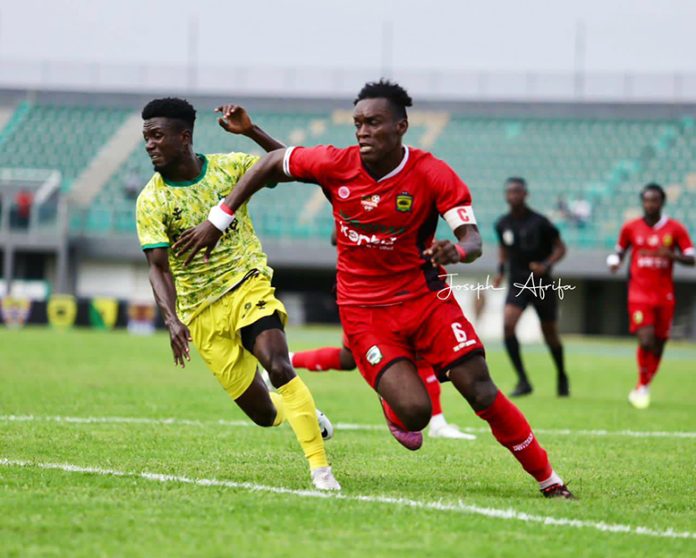
Kotoko captain Gilbani Ndongani Samba shields the ball from a Gold Stars player

An own goal by Ansu Henry handed last season’s Ghana Premier League champions, Bibiani Gold Stars a victory over Asante Kotoko in the opening match of the 2025 Ghana League Clubs Association (GHALCA) competition at the Legon Sports Stadium.

Kotoko began the match brightly, creating several chances in the opening minutes but failed to capitalise on the opportunities. In the 16th minute, Albert Amoah expertly controlled a long pass from Captain Gilbani Ndongani Samba and fired home to give the Porcupine Warriors the lead.

After going behind, Bibiani Gold Stars grew into the game and began to dominate possession. Kotoko’s relaxed approach after taking the lead gave the visitors the momentum to push for an equaliser.

Their breakthrough came when Kotoko captain, Gilbani Ndongani Samba, fouled a Gold Stars player in the box, conceding a penalty. Gold Stars Samuel Atta Kumi stepped up and superbly converted from the spot, sending Kotoko goalkeeper Mohamed Camara the wrong way.

The game grew more intense as momentum swung back and forth between the two sides. In the 30th minute, play was briefly halted after a rough challenge from a Bibiani Gold Stars player on Ansu Henry.

Towards the end of the first half, Kotoko had a golden opportunity to restore their lead with a free kick on the edge of the box, but the Gold Stars goalkeeper pulled off a fine save to deny them, conceding only a corner. The first half eventually ended level.

Kotoko began the second half piling on the pressure and creating numerous chances, but failed to find the finishing touch. In the 60th minute, Albert Amoah, scorer of their opening goal, was presented with a clear sight of goal chance, but he woefully squandered the opportunity.

The decisive moment came in the 63rd minute when Kotoko right-back Henry Ansu played a blind back pass, without checking the goalkeeper’s position, resulting in a costly own goal.

Despite the Porcupine Warriors’ relentless efforts to respond, they were unable to find an equaliser. As the game edged towards its closing stages, frustration began to creep into the Kotoko camp, leading to unnecessary fouls and avoidable free kicks. Their best chance to draw level came in the 70th minute from a set piece, but once again, they failed to capitalize on it.

The match ended 2-1 in favor of Bibiani Gold Stars. Kotoko must now secure a win against Heart of Lions on Friday to keep their hopes alive in the competition, while Bibiani Gold Stars will face Accra Hearts of Oak in their next fixture.

By Jesse Otoo

Police Recover Arms, Munitions … During 24hr Patrols

0
IGP Mr Christian Tetteh Yohuno

Intensive police patrols have aborted potential robberies within 48 hours, leading to the interception of a cache of arms and munitions.

The Inspector General of Police (IGP), Mr Christian Tetteh Yohuno, who disclosed this to The Chronicle, states that the two remarkable achievements occurred in the Central and Ashanti Regions over the weekend.

According to him, on Saturday August 16, 2025 a group of gunmen wielding guns and machetes stormed a gold dealer’s shop at Mpohor in the Western Region, and after subduing the occupants of the shop amid severe assaults, made away with cash and gold.

Police pursuit of the gunmen yielded result when the following day, Sunday August 17, 2025 the anti-robbery squad in the Kuntanase District of the Ashanti Region made a breakthrough.

The team intercepted a suspicious white Toyota Sienta on the Aputuoagya-Bekwai road, and two men who stood by the vehicle took to their heels and abandoned the car.

That, a thorough search conducted on the vehicle  uncovered an AK47 assault rifle, a locally manufactured firearm, two AK47 magazines loaded with 30 rounds of ammunition each, additional packets of ammunition, cowries shells, a Huawei smartphone, identity documents and some clothing items.

The Police boss continued that, a careful examination of the recovered exhibits against the closed-circuit television (cctv) footage of the Mpohor robbery the previous day, revealed a striking resemblance between the clothing items (hooded tops) and the wellington boots that were used during the dastardly act.

According to him, the system is analyzing fingerprints obtained around the said vehicle. The man described as crime fighter did not mince words when he said that, ‘there is a massive manhunt for the suspects who are now on police’s radar’.

Meanwhile, IGP Mr Yohuno has called on financial institutions, warehouses and homes to install intrusion systems linked to local police stations.

According to the IGP, these advanced warning systems can effectively deter intruders and enhance security.

Speaking on the foiled robbery at the MRB Rural Bank in Winneba on Friday August 15, 2025, the IGP emphasised the importance of proactive measures in preventing crime.

The Police boss stated that, the intrusion alarm systems serve as a strong deterrent to would-be intruders. On the benefits of installing these advanced warning systems, Mr Yohuno told The Chronicle that  it enhances  security, quick response to potential threat, reduces risk of property damage, further increases sense of safety, likewise security to residents and employees.

The IGP argued that the installations of closed-circuit television cameras (cctv) as intrusion alarm with visual evidence enhances security.

He outlined the key benefits as visual deterrent to intruders, evidence collection to aid investigation and prosecution, allows for immediate response to security breaches, identification of criminals and their modus operandi.

To him, the integration of both create a robust security system to enhance detection, response and investigation.

Report from the Police in Winneba have it that, at about 0100hours on Friday August15, 2025, the MRB Rural Bank alarm system was triggered drawing attention of the police patrol team on duty.

The team, on arrival at the bank, was greeted with gunfire resulting, in exchange of shots for some minutes and on realising the police fire power was more than they could contain, the robbers bolted.

The gangsters who attempted breaking into the vault left behind a pump action gun, spent cartridge and offensive weapons intended for the robbery.

According to the Chief Constable, ongoing police investigation suggests that gangsters belonged to a group responsible for a series of bank robberies due to their modus operandi.

Prez Ruto Lauds Zoomlion’s High-Tech Sanitation Facilities

0
Chairman Siaw Agyapong explaining zoomlion operations to the Kenyan president

Dr. William Samoei Ruto, the President of the Republic of Kenya, has lauded Ghana’s sanitation giants, Zoomlion Ghana Limited, which is a subsidiary of Jospong Group, for investing in high-tech facilities that are providing waste management solutions across African countries.

Dr Siaw Agyapong welcoming Dr Ruto to his stand

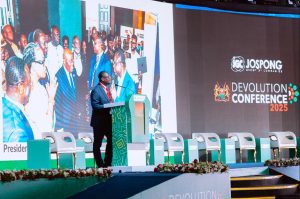
President Ruto was speaking during a visit to the Jospong Group’s stand at the Pavilion and Exhibition Booth after official opening of Kenya’s 2025 Devolution Conference hosted in Homa Bay County on August 13, 2025.

President Ruto’s comment was in reaction to explanation by the Executive Chairman of the Jospong Group of Companies, Dr Joseph Siaw Agyepong on how his company had tackled waste in Ghana and across Africa.

Dr Siaw Agyepong indicated to President Ruto that  waste management companies under Zoomlion included Accra Compost and Recycling Plant (ACARP), Integrated Recycling and Compost Plant (IRECOP), Waste Landfills (WL), Medical Waste Services Limited (MWSL), Landfill Technologies Services, and Kumasi Compost and Recycling Plant.

He stressed that these waste management companies were offering technology-driven solutions to African waste management challenges.

Organised by the Council of Governors, the DevCon2025 brought together over 11,000 delegates, including government officials, county governors, development partners, the private sector, civil society and international stakeholders.

Dr Siaw Agyapong addressing participants at the exhibition conference

Among the distinguished attendees were all the 47 county governors; members of the county assemblies and the Senate, among others.

The four-day conference (August 12 – 15, 2025), themed: “For the People, For Prosperity: Devolution as a Catalyst for Equity, Inclusion and Social Justice,” examined devolution’s role in realizing equity, inclusion, and social justice in Kenya.

Later, addressing the delegates, Dr. Siaw Agyepong unveiled an ambitious plan to transform Kenya’s waste management landscape and create over 52,000 jobs annually.

According to him, this will involve a clustering operation into regional counties to facilitate effective and efficient waste management across Kenya.

“With a population of about 57 million generating approximately 28,000 tonnes of waste daily, we propose clustering operations into regional counties – so that about five counties will share one integrated waste facility.

“It may interest you to know that about 52,000 jobs can be created annually through the establishment of waste management treatment plants, like we have done in Ghana,” Dr. Siaw Agyepong stressed.

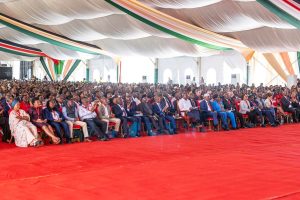
Participants at the exhibition conference

The clustering of Kenyan counties strategy revealed by the Jospong Group Executive Chairman was widely applauded at the 9th edition of the Kenya Devolution Conference 2025 (DevCon2025).

He said the clustering of the counties would further generate 30,000 jobs from waste collection, transportation and sweeping; 21,000 jobs from integrated waste management plant operations; and 1,800 jobs from green initiatives, data collection, monitoring and validation within the carbon market.

The Executive Chairman of JGC stressed the need for Kenya to harness the potential of Jospong Group’s operations in Ghana, adding that “Together, Ghana and Kenya can build and sustain efficient waste management systems within counties.”

He noted that there was no such thing as “waste”—”only misplaced resources,” adding that “Let us recover and recycle them for the benefit of our people. Today, I am confident that by 2027 Jospong will be able to present clear evidence of plants installed across all participating countries.”

Dr. Siaw Agyepong concluded his address with a 2-minute video from its leading subsidiary company, Zoomlion Ghana Limited and as the video ended, the auditorium erupted in applause from the delegates.

This was the first time a West African conglomerate, specifically the Jospong Group from Ghana, was participating in Kenya’s Devolution Conference.

GHA fixing Ofankor–Nsawam Road

0
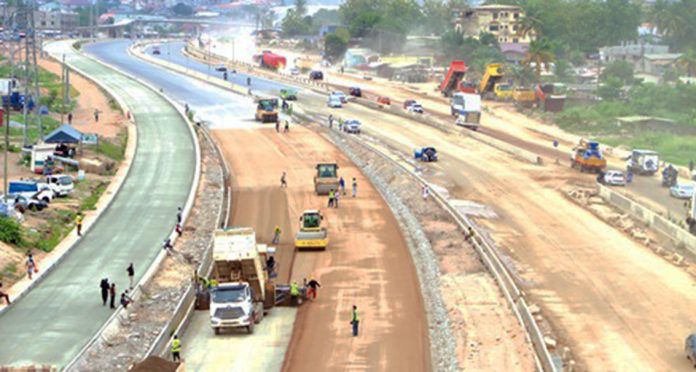
Ofankor–Nsawam Road

The Ghana Highway Authority (GHA), acting on behalf of the Ministry of Roads and Highways, has assured motorists and residents along the Ofankor–Nsawam Road corridor that repair works are underway to address deteriorated sections of the road that recently sparked protests by some drivers.

The authority acknowledged the frustrations of commuters, particularly along the stretch between Sapeiman and Medie/Samsam junction, where potholes and uneven surfaces have worsened driving conditions.

In a statement issued yesterday, August 19, 2025 the GHA said the Contractor had already tackled major portions of the distressed areas as of Monday, August 18, 2025, with about five gangs currently on site, working simultaneously on both the northbound and southbound lanes.

The works, according to the Authority, are aimed at improving riding quality and ensuring safety for all road users.

The GHA appealed to drivers and commuters to exercise patience while the repairs continue. It urged motorists to cooperate with traffic wardens and flagmen deployed along the route to ease congestion and prevent accidents.

To further support traffic management, law enforcement agencies have been engaged to ensure order and safety.

“The Ghana Highway Authority remains committed to completing the project. We will continue to provide updates on the progress of work.

We sincerely regret the inconvenience caused and appreciate the cooperation of the motoring public as we work to deliver a more durable and safer road,” the statement said.

The Ofankor–Nsawam road is a major link for motorists travelling from Accra to the Eastern and Ashanti regions.

Recent demonstrations by drivers highlighted the urgency of repairs, as many complained of vehicle damage, heavy traffic, and safety risks caused by the dilapidated stretch.

Policeman tested positive for marijuana, cotinine -court told

0
Court

A police officer who allegedly brandished his rifle at fellow officers in a bid to free a suspected drug dealer has tested positive for marijuana and cotinine, a court in Accra has heard.

Corporal Awudu Alhassan Shaban, 31 and an officer with the Accra Regional Police Visibility Unit, appeared before Circuit Court 7, presided over by Her Honour Sedinam Awo Kwadam, where he faces three charges arising from the July 30 incident.

The accused pleaded not guilty to all charges. The prosecution, however, strongly opposed bail, citing the seriousness of the offence and the potential for the accused to obstruct investigations.

The court agreed and Corporal Shaban was remanded into police custody until the next hearing, scheduled for September 2, 2025.

The accused is defending himself against threat of death, assault on a public officer and use of narcotic drugs without lawful authority

According to the prosecution, the complainant in the case, Detective Chief Inspector Eric Kwarteng of the Drug Law Enforcement Unit (DLEU) at the CID Headquarters, led a narcotics operation at Adabraka, near the University of Ghana City Campus, on July 30, 2025.

During the operation, a suspect believed to be involved in drug trafficking was apprehended. However, moments later, Corporal Shaban arrived on the scene in full police uniform, pulled out his service rifle and threatened to shoot the officers if they did not release the suspect.

The officers, all in plain clothes, were taken by surprise. The suspect managed to escape custody amid the chaos.

The DLEU team, however, quickly regained control of the situation, disarmed and arrested the accused officer and transported him to the Special Investigations Unit at CID Headquarters.

During interrogation, Corporal Shaban reportedly admitted in his caution statement that he had threatened the officers, but claimed he did so because he could not identify them as police officers due to their plain clothing.

A medical examination and urine toxicology test conducted as part of the investigation returned positive results for marijuana and cotinine, the latter indicating recent nicotine use.

Following the investigation, charges were formally filed and the accused was brought before the court.

With bail denied, Corporal Shaban will remain in custody as the case continues on September 2, 2025.

Three accused of shooting Soldiers at Bawku granted bail

0
The suspects being taking away after the court

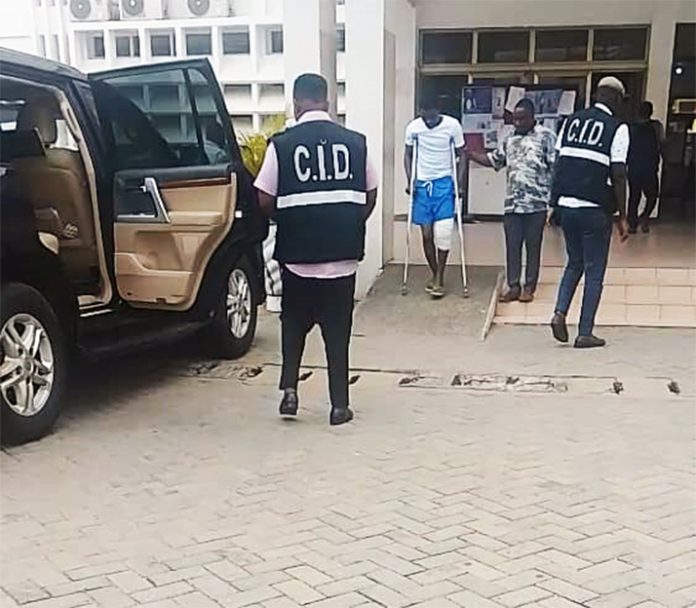
The Circuit Court 2 in Accra, presided over by His Honour Isaac Addo, has granted bail to three men accused of involvement in a violent incident at Bawku that resulted in the shooting of two soldiers.

The accused – Alale Emmanuel, a motor rider; Awudu Karim, a teacher and Aruku Mohammed, a motor repairer were each granted bail in the sum of GH¢100,000 with one surety.

Their next court appearance has been adjourned to October 14, 2025.

The three were brought before the court on Tuesday, August 19, 2025 on charges including conspiracy to commit harm and causing harm, contrary to Sections 23(1) and 19 of the Criminal Offences Act, 1960 (Act 29).

According to ASP Kofi Anane, on July 12 and 13, 2025, in the Upper East Region, the accused conspired and caused harm to Private Odoom and Private A.K. Tweneboah, both members of the Ghana Armed Forces during a shooting incident at Bawku.

Brief facts presented by the prosecution stated that the accused persons were arrested by a military task force led by Colonel Ross Foli Atiagbe while they were receiving treatment at the Restoration Hospital in Zebilla.

The arrest followed intelligence linking them to the shooting incident, which left both military personnel and the accused injured.

The defence counsel, in their bail application, argued that the accused were victims of military excesses during the July 13 incident and were receiving treatment when they were picked up by the military.

The counsel also revealed that one of the accused, Alale Emmanuel, was due for surgery on August 16, but had been unable to undergo the procedure due to the arrest.

“My Lord, the accused persons were arrested at the hospital while receiving treatment. They have not been armed or engaged in any violence and are willing to stand trial. They are responsible members of society ready to stand surety and to ensure their availability,” the defence argued.

The prosecution did not oppose the bail request and confirmed that the accused had been discharged from the hospital, but would continue to seek treatment.

Taking into account their health conditions, for which they were carried by CID officers to court, the judge granted bail and adjourned the case to September 14, 2025, for further proceedings.

Thank Social Media for the Relationship Recession

0
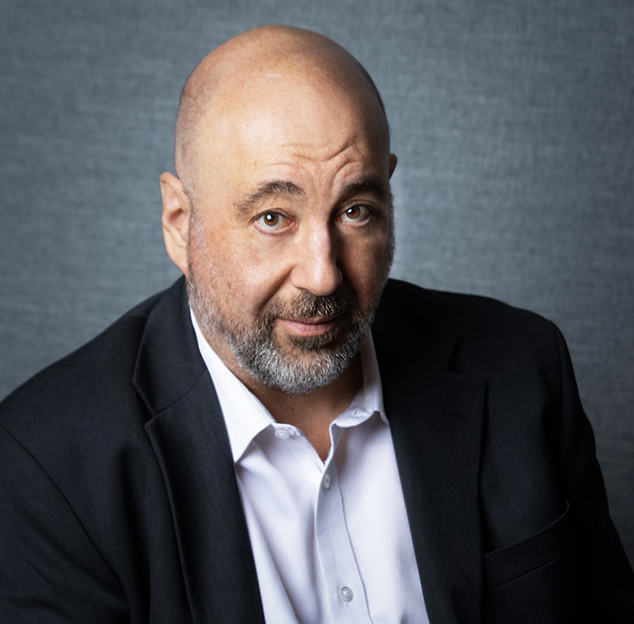
Nick Kossovan - the writer

As with any technology, social media isn’t inherently harmful. Who uses it, how long they use it, and how they use it determine its impact. Undoubtedly, you’ve heard the “warnings”: social media can undermine self-esteem, fuel jealousy, promote unhealthy comparisons, and rob us of quality time. The real danger of social media is something you have probably noticed among your family, friends, and acquaintances: social media is dramatically changing how we develop and maintain friendships and love.

There was a time when relationships felt comforting. The journey from “prom date” to “lifelong spouse” was an attainable dream. Romance resembled more like cheesy rom-coms than Game of Thrones. Then social media arrived, promoting a dopamine addiction by offering instant validation through likes, comments, and followers, resulting in endless scrolling. Today, many people associate the quick bursts of dopamine that they get from thumbs up and comments with their self-worth.

Friends and romantic partners don’t come with a “like” button every time you cook dinner, take out the garbage, are fashionably dressed, or order the steak tartare on date night. However, posting a picture of your steak tartare on Facebook might, hopefully, elicit a few likes for your self-esteem, along with “Looks delicious!” comments.

Based on your maturity level, you may expect your partner to praise you as your followers do. When they don’t, you might feel they aren’t “supportive enough.” Even if they are supportive, it’s not the same dopamine rush you get from a stranger’s “like.” Eventually, you may crave validation from strangers rather than your partner, family, or friends, leading you to lean into social media’s glorification of the “exit mentality.”

It’s well known that most social media content is curated, creating a distorted view of reality. Yet, we let staged content convince us that there are always better options, causing us to be ungrateful and unhappy with what we have. As we scroll through feeds filled with attractive people, elaborate romantic gestures, laughter on exotic beaches, and stories about finding happiness, an exit mentality begins to develop. Inevitable conflicts in your relationships provoke the question, “Could I do better?” Over time, our ability to commit, be patient, and grow within our friendships and romantic relationships tends to decline.

Social media has undoubtedly altered perceptions of what’s considered normal, often presenting an idealized version of reality, especially in terms of lifestyles, appearances, and social interactions. When you’re bombarded with images of romantic photos, holiday getaways, and surprise gifts, your subconscious convinces you that they signify a healthy relationship. What you don’t see are the arguments, the bills, the therapy sessions, and the compromises—factors that contribute to building strong relationships and promoting growth.

Recently, I read a study that found the average social media user engages with over 400 people daily through DMs, comments, views, and reactions. That’s 400 mini connections, most of them with strangers. Yes, they’re fleeting, but collectively, they can undermine the emotional exclusivity that defines close relationships. When you dedicate your attention, flirtation, or emotional energy to hundreds of micro-interactions, your connection with your friends and partner weakens. It’s like watering 20 plants with one cup of water; none of them get enough to stay healthy.

An observation: Social media exacerbates the issue of trust, the cornerstone of any relationship, romantic or otherwise. Questioning a partner’s commitment based on something seen on social media has become increasingly common. Why did she take a picture of her steak tartare at a swank downtown restaurant? She never does that! Who’s she with? Surprisingly, so far, romantic relationships haven’t followed the same path as Neanderthals. We experienced less relationship anxiety when we weren’t exposed to someone’s daily activities unless we were physically with them.

Additionally, social media’s overlord, the Internet, has warped, especially for men, expectations of a partner by giving effortless 24/7 access to pornography. A person who struggles to get someone to reply to their texts or lacks intimacy in their life can easily create a relationship fantasy, provided they make the monthly payments. A beautiful person showering you with affection and NSFW (not safe for work) photos is very appealing and makes for a lucrative business model; hence, new adult content platforms, such as OnlyFans and Fansly, continue to emerge.

Your time isn’t the only thing social media consumes; it also drains your attention, influences your expectations, erodes your sense of trust, and hinders your ability to be present in a relationship.

Ironically, social media has led people to spend more time alone, with their feeds serving as a form of company. Online platforms are increasingly becoming the primary venue for socialization, especially among younger generations. Social media is creating a world marked by rising singledom.

Inherently, this trend is neither better nor worse than one filled with couples and families. However, the increase in singledom and, as being reported, the “loneliness crisis,” is creating a society that’s fundamentally different from what we experienced pre-COVID, with accompanying significant social, economic, and political implications, raising the question: Is this what people genuinely want, or are social media algorithms redefining what makes a relationship worth pursuing?

By Nick Kossovan

Nick Kossovan, a well-seasoned corporate veteran, offers “unsweetened” job search

advice. Send Nick your job search questions to artoffindingwork@gmail.com.

Editor’s note: Views expressed in this article do not represent that of The Chronicle

Editorial: Undocumented Beggars Back On Accra’s Streets, Did We Go Or Did We Come?

0
Editorial

Only a few months after the Ghana Immigration Service (GIS) conducted a high-profile deportation exercise to clear Accra of undocumented beggars, the same individuals, mostly foreign nationals from Niger and Nigeria, have resurfaced on the streets in large numbers.

They are back at major locations including Obetsebi Lamptey, Circle, Lapaz and 37 Station, with children as young as one year old seen dashing dangerously across busy roads to beg.

Their return has sparked public frustration and renewed concerns about the porousness of Ghana’s borders, the waste of government resources on repeated deportations and the humanitarian crisis of child exploitation.

The situation raises tough questions: how are these individuals able to re-enter the country so easily and why does Ghana’s border security seem powerless to stop them?

The reappearance of undocumented beggars on Accra’s streets, only months after a heavily publicised deportation exercise, is more than just a nuisance, it is an indictment of Ghana’s border management, immigration enforcement and overall national security.

What was celebrated as a bold step toward restoring sanity to the capital has been revealed as a costly charade, exposing the futility of a policy built on half-measures and temporary fixes.

Deportation is not cheap. From the logistics of arresting undocumented migrants to the cost of feeding them in holding facilities, to securing transport and flights for their repatriation, government spends huge sums of taxpayer money on these operations.

Yet, here we are again, facing the same individuals in the same locations. This makes the exercise not only ineffective but wasteful. At a time when our Economy is on its way to full stabilization, spending millions on deportations that achieve no lasting results is nothing short of reckless.

Then there is the question of how these individuals are able to return so easily. Ghana is a member of ECOWAS, which allows for free movement of persons, but that does not mean our borders should be wide open.

The ease with which deported beggars re-enter Ghana raises disturbing questions: What are our immigration officers doing at the borders? Are they under-resourced, over-stretched or compromised? Whatever the answer, the current state of affairs is unacceptable.

This porousness is not just about beggars it is a national security threat. If undocumented migrants can walk in and out of Ghana with such ease, what prevents armed groups or terrorists from doing the same?

West Africa has in recent years faced a surge in extremist activity, with violent groups destabilising countries like Burkina Faso, Mali and Niger. If Ghana’s borders are so fragile that deported beggars can stroll back in within months, then we must accept the frightening reality that terrorists could also exploit these same weaknesses. The government owes citizens assurance that our borders are not gateways for danger and that assurance is woefully lacking today.

Ghana’s political and economic stability has ironically made it a magnet for migration from neighbouring countries wracked by poverty, political upheaval and insecurity. While this reflects positively on Ghana’s relative stability, it also means we must strengthen our systems to manage the influx responsibly. Now that our economy is beginning to recover, government must not ignore this challenge. The stability we enjoy will quickly erode if Accra’s streets remain overrun by undocumented beggars and our borders remain defenceless.

So, what must be done? First, the government must conduct an independent investigation into border security operations. If loopholes exist, they must be sealed. If officers are negligent or corrupt, they must be punished.

Second, deportations should no longer be stand-alone exercises. They must be paired with bilateral agreements that ensure migrants are properly reintegrated in their home countries, rather than simply making a U-turn back to Ghana.

Third, a child-centered approach is necessary. Agencies such as the Ministry of Gender and Social Protection, working with international partners, must intervene to rescue children from exploitation and dismantle the trafficking networks behind street begging.

The return of undocumented beggars is not just a failure of immigration it is a failure of governance. The time to act is now.

Over 800 First-Time Offenders Among Prisoners Granted Amnesty

0
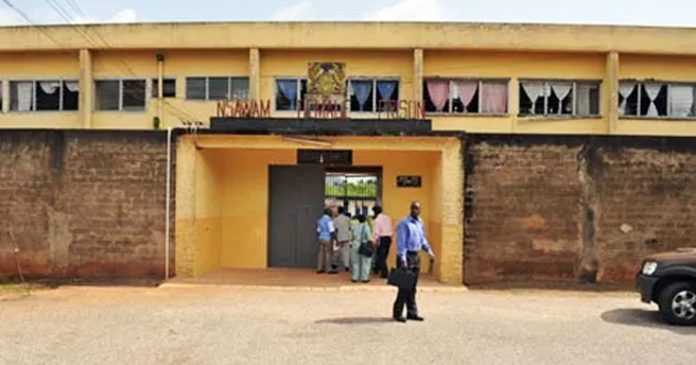
Nsawam Medium Prisons

The President, John Dramani Mahama, has granted amnesty to 1,014 prisoners following consultations with relevant state institutions.

In a statement issued by the Presidential Spokesperson, Felix Kwakye Ofosu, it was explained that the decision was based on recommendations from the Prisons Service Council and consultations with the Council of State, in accordance with Article 72(1) of the 1992 Constitution.

Out of the 1,014 inmates recommended, amnesty has been granted to 998. According to the statement, 887 first-time offenders have been pardoned, while the death sentences of 87 inmates have been commuted to life imprisonment.

About 51 inmates serving life sentences will also now serve 20-year definite terms. The statement also noted that 33 seriously ill prisoners and 36 inmates aged over 70, irrespective of their offences, have been freed.

Two nursing mothers and two inmates who submitted petitions for clemency have also benefited from the presidential pardon. Meanwhile HNA reports that Mr Francis Ahovi, Executive Director, Global Security for Africa Research and Good Governance (GLOSARRG) has commended President John Dramani Mahama for granting amnesty to prisoners across the country.

He said the decision was appropriate in promoting democracy and good governance, as humanitarian efforts remained critical and essential for the peace of Ghana and the entire West Africa Sub-Region.

President Mahama, in a recent release, granted amnesty to 998 prisoners, following the recommendation of the Prisons Service Council, in consultation with the Council of State, and in accordance with Article 72(1) of the 1992 Constitution.

This was contained in a statement signed by Mr Felix Kwakye Ofosu, Spokesperson to the President and Minister of Government Communications.

The release indicated a total of 787 prisoners who are first time offenders, 87 persons on death sentence to be commuted to life imprisonment, and 51 to be commuted to 20-years definite term.

The rest were 33 prisoners having serious illnesses, 36 who are over 70 years, two nursing mothers, and two persons on petitions.

The development, according to some residents within Akatsi South, should not serve as motivation to criminals to perpetrate violence or engaged in offensive conducts.

They called on law enforcement agencies especially the Ghana Police Service to remain proactive in dealing with law offenders in society.

“I think this action by the President is in the right order,” a resident said during an interview with the Ghana News Agency.

The decision forms part of the President’s constitutional mandate to exercise the prerogative of mercy in deserving cases. A total of 1,014 inmates were recommended for amnesty, out of which 998 were approved.

Resumption of public visits to VRA generating stations

0
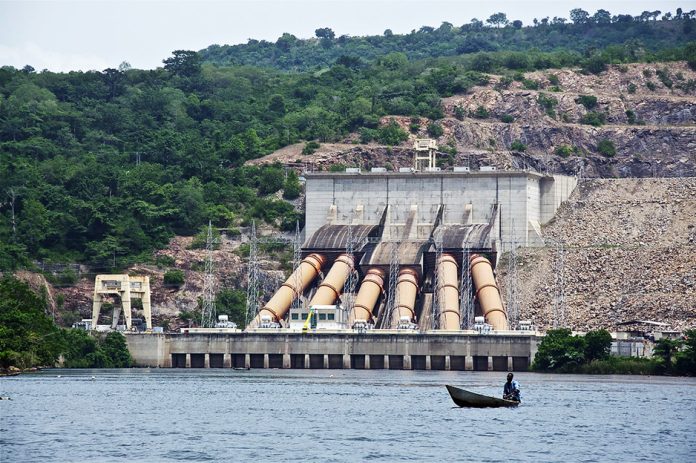
The Akosombo Dam

The Volta River Authority has resumed visits to its generating stations to students, professionals, stakeholders, and the public.

A statement issued by the Public Affairs department yesterday said the initiative was part of “our broader effort to foster transparency, public engagement and education about our operations and contribution to Ghana’s energy sector.”

According to the statement, all visits will be carefully coordinated to ensure the safety of both visitors and staff, preserve the operational integrity of our installations and comply with all relevant regulatory requirements.

“To streamline and improve the overall effectiveness of the tours, a generation facility visit policy has been developed and approved for implementation. To embark on a tour of VRA generating facilities, a formal request must be made in a letter addressed to the Chief Executive for approval.

“The letter must be sent 10 working days ahead of the requested visit date to ensure adequate time is provided for preparatory actions.

“Once executive approval is granted you will be formally notified by VRA of the necessary processes and protocols to be followed to ensure pleasurable and safe tour experience.

“This will include the provision of identification for security checks, visit protocols to follow as well as the fees charged per age and/or category. VRA remains committed to add value to lives and maintain the highest safety standards as we power economies.”

The Ghanaian Chronicle