Home Blog Page 504

2 men charged with issuing death threats against Pastor 

0
Accra Circuit Court

Two men have been arraigned before the Accra Circuit Court for allegedly threatening to kill a pastor and using abusive language likely to provoke a breach of the peace.

The accused, Frederick Ablorh Nmai, a 55-year-old carpenter and Adjetey Nmai, a 52-year-old fisherman, pleaded not guilty to all charges.

Presided over by Her Honour Susana Eduful, the court granted each accused person bail in the sum of GH¢50,000 with two sureties, who must be public servants earning not less than GH¢3,000 monthly.

The prosecution, led by PW/Inspector W. B. Kwafo, was directed by the court to file all disclosures and witness statements at least four days before the next adjourned date, which has been set for September 24, 2025.

Charges and Allegations

The accused are facing three counts: Conspiracy to Commit a Crime to wit: Threat of Death, contrary to Section 23(1) and 75 of the Criminal Offences Act, 1960 (Act 29), Threat of Death contrary to Section 75 of Act 29 and Offensive Conduct Conducive to the Breach of the Peace under the same Act.

According to the brief facts presented by police investigators, the complainant, KwadwoAddae, a pastor residing at his church premises at Teshie-Aboma, was allegedly threatened by the accused persons on July 25, 2025.

On the said date, the accused reportedly entered the church premises around 11:30 a.m., broke eggs on the ground, and issued death threats to the pastor, saying: “If I get you, I will kill you.” This was allegedly done in the presence of witnesses.

The pair are also accused of using insulting and provocative language, including calling the pastor a “foolish, stupid, and senseless man”, with the intent to incite a breach of the peace.

Fearing for his life, Pastor Addae reported the incident to the police, leading to the arrest of the two suspects. They were later cautioned and charged following investigations.

The court has adjourned proceedings to September 24, 2025, with the prosecution expected to submit all relevant disclosures and witness statements ahead of the date.

The accused remain on bail pending further hearing.
Sarkodie feels disappointed by Mahama’s approach to galamsey fight

0
Apostle Kofi Nkansah-Sarkodie, General Overseer - Open Arms Ministry

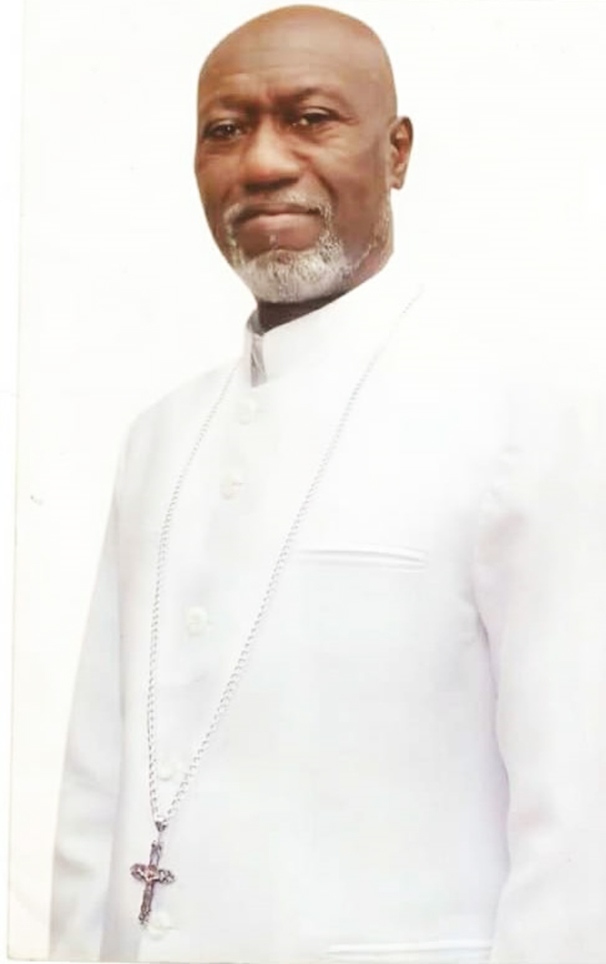
A renowned Minister of the Gospel says he is highly disappointed in the John Dramani Mahama-led NDC government’s approach to fighting illegal mining, widely referred to as galamsey in the country, because the results are not improving as expected.

Apostle Kofi Nkansah-Sarkodie, also known as Saint Sark, at a press conference last Saturday, in Kumasi, said the recent observation by Mr Joseph Yamin, the National Organiser of the NDC, that President Mahama should disband the Anti Galamsey Taskforce because certain individuals were only going to take advantage of the situation to enrich their pockets “only reiterates my stance over the years against the modus of fighting the canker”.

Saint Sark, the Head Pastor of the Open Arms Ministry said any form of surface mining, which is not a deep pit mining, cannot be described as proper mining and, therefore, whether community mining or responsible community mining the value is the same.

He said he would not mince words to say that  the August 6, 2025 Ghana Air force helicopter crash at AdansiSikaman, near Akrofuom in the Ashanti Region, where eight prominent citizens perished were as a result of illegal mining.

According to him, the eight patriots who perished in the crash were on a national duty to launch the Responsible Community Mining programme at Obuasi, which in itself would not make any meaningful impact on the fight against galamsey.

“There is nothing like responsible mining”, he stressed, and called on President Mahama to come clear and declare his intentions on the fight against the menace or better surrender and forget it altogether, emphasising that no form of galamsey can be described as “responsible mining”.

The eloquent clergyman also said whether the NDC would retain political power in 2028 or would be dethroned by the NPP will depend on how well the NDC governs the country, or how organised and responsible the NPP would be as opposition.

He said the government must constantly update the citizens on the various corruption issues under the previous regime, especially those discovered by the Operation Recover All Loots (ORAL) findings.

To the NPP, Saint Sark expressed that the insults, rancour and acrimony amongst the followers of the flagbearer hopefuls were just too much and embarrassing and added that he would have words for each and every flagbearer hopeful of the party at the right time.

He advised them to prevail on their followers to come to a truce. He also issued a disclaimer that all he was doing is borne out of his love for Christ and country and that no political party has ever given him a dime to do whatever he is doing.

From Thomas Agbenyegah Adzey, Kumasi

Singapore-Africa trade grows to US$13.7bn’

0
Singapore

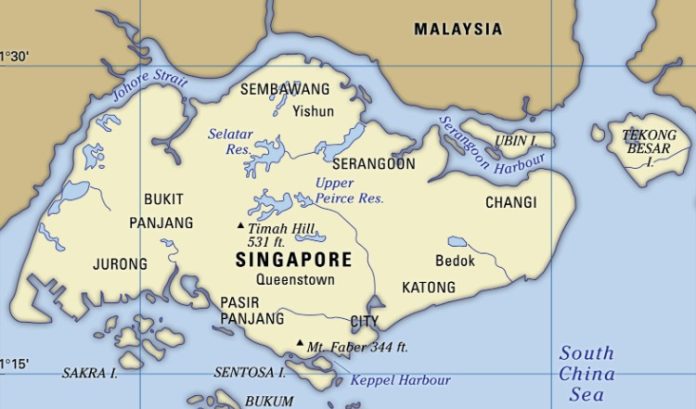
Economic ties between Singapore and Africa are rapidly strengthening, with bilateral trade rising by 50% over the past five years from US$9.2 billion in 2020 to US$13.7 billion in 2024.

Singapore’s cumulative investments in Africa have also surpassed US$20 billion as of end-2023, reflecting rising interest by Singaporean companies in the continent’s growth sectors.

In a major step forward for economic cooperation, bilateral investment treaties between Singapore and two key West African economies – Côte d’Ivoire and Nigeria – came into force this week.

These agreements aim to enhance investor protection and promote more transparent business environments, encouraging increased investment flows.

The announcement was made by Minister for Sustainability and the Environment and Minister-in-charge of Trade Relations, Grace Fu, during her opening address at the eighth edition of the Africa Singapore Business Forum (ASBF), organised by Enterprise Singapore (EnterpriseSG).

Speaking at the Forum, Minister Fu emphasised that the treaties would “promote greater investor confidence and open new opportunities for Singapore businesses across Africa.”

President John Mahama delivered a keynote address, highlighting Singapore-Ghana trade, which reached US$215.9 million in 2024. The Forum also featured a high-level dialogue with leaders such as Africa Finance Corporation CEO SamailaZubairu, Singapore’s Minister of State Alvin Tan, and Rendeavour CEO Stephen Jennings.

UN Energy Co-Chair and CEO for Sustainable Energy for All, DamilolaOgunbiyi, joined a panel discussing Africa’s role in the global energy transition.

Five agreements were signed at the Forum, reflecting a diverse and growing interest in collaboration. Among these was a Memorandum of Understanding (MoU) between EnterpriseSG and the Ghana Standards Authority to promote standardisation and the adoption of Singapore’s Mass Flow Metering standards in Ghana’s petroleum industry.

Singapore-based Arkadiah Technology also announced a partnership with Ghana’s CJ Commodities, Afarinick Company Limited and Oman Carbon for a large-scale agroforestry project, aimed at restoring degraded land and generating carbon credits.

This initiative falls under the Singapore–Ghana Implementation Agreement and represents the growing alignment between sustainability goals and economic cooperation.

In the fintech and insurance space, Singapore’s Embed Financial Group signed anMoU with Ghana’s Purpleline Solutions to digitise insurance and micro-financing platforms, expanding financial inclusion across West Africa.

Meanwhile, in the consumer sector, wellness brand LAC Global partnered with Ghana’s Watertree to distribute its supplements across the region, tapping into Africa’s growing middle class and health-conscious consumer base.

ASBF 2025 runs from 26–28 August under the theme “Bridging Capabilities, Charting Sustainable Growth.” Held at the Grand Copthorne Waterfront Hotel, it has attracted over 700 participants from around 40 countries.

The Forum includes country investment panels covering different African regions, with speakers from Côte d’Ivoire, Guinea, Kenya, Tanzania and Rwanda.

EnterpriseSG continues to support Singapore companies with dedicated Overseas Centres in Accra, Johannesburg, and Nairobi. In October, it will lead an Africa Mission Trip to Nigeria and South Africa to help Singaporean firms explore growth opportunities on the continent.

With strong momentum in trade, investment and sustainability, Singapore and Africa are deepening a partnership built on shared growth and long-term collaboration.

Developing Clear Instructional Goals: The Role of Head teachers in Enhancing School Performance

0
Wisdom Klu, the writer

Educational goals are crucial for effective teaching and improving school performance. They provide clear statements that define what learners should know and be able to do during and after lessons, serving as the foundation, which specific learning outcomes are developed (Orr, 2022). By giving clarity and direction, these goals help in curriculum development, ensure alignment standards, shaping teaching and learning as well as assessment in the classroom. Without a well-defined goals, teaching can become incoherent, inconsistent and disconnected from the intended learning objectives impeding student achievement.

In the scope of school leadership, principals play an essential role in guiding teachers to create and implement specific, measurable, and learner-centred goals. These goals enhance classroom practices and also serves as criterion for monitoring progress and boosting the overall school performance. Thus, the effectiveness of school leadership is related to the success with which educational goals are articulated, shared and implemented throughout the education system.

  • Aligning Goals, and Building Consistency in Curriculum and Instruction

1.1 Importance of Clarity

Studies indicates that when leaders articulate, share roles and frequently review educational goals, teacher incentives and focus are significantly improved. For example, Demirdag (2021) describes that the educational leadership of school leaders are distinguished by goals, feedback and support-results in higher teacher incentives in large-quantity of surveys. Furthermore, McBrayer (2020) highlights that leaders’ practices concerning goal framing and monitoring enriches their own assertive leadership leading to greater focus on instruction.

These connections suggests that well-defined goals motivates teachers as well as strengthen leaders’ who are determined to pursue development. Much guidance on policy exemplifies clarity as a technical task (such as producing SMART” objectives). This shows that clarity is interactive; teacher incentives are enhanced when goals are cooperatively defined and reviewed, rather than just decreed. Encouraging rich pedagogical practices can reduces clarity to compliance and can make teaching feel like checkbox exercise.

1.2 Ensuring Curriculum, Instruction, and Assessment Alignment

Clarity is very effective to learning when it is incorporated into planning, teaching, and assessment. Fuentes (2020) pinpoints that leaders’ content knowledge (LCK) directly affects  the quality of feedback assigned to teachers; leaders with stronger LCK can transform standards into teachable concepts and clear success criterion, improving alignment across the “planned ,” “taught,” and “implemented” curriculum. Macpherson (2024) suggests that curriculum leadership should honour educational relevance and diversity rather than simply depending on external standards. Together, these studies show that alignment includes technical adherence to standards and an ethical sensitivity to community and students needs.

Many systems search for alignment through testing preparation. An intensive strategy is a two-way directional alignment, where standards inform teaching, and classroom observation shapes instructional goals. With this, data is more of dialogue process and not an audit.

1.3 Goal-Linked Feedback and Teacher Growth

When educational goals are well-defined and student-focused, feedback for teachers become both more valuable and important. McBrayer (2020) discovers that leaders’ supervision practices and progress monitoring aligns with assertive leaders to engage in continuous improvement, fostering regular mentoring rather than periodic check-ins. Fuentes (2020) emphasize that feedback quality matters; feedback based on subject content is more likely to be embraced and helps teacher development. This suggest that clear goals sharpen feedback and make professional development more effective.

Observation methods can sometimes favour generic teaching approaches over specialized approaches. Hence, head teachers should design goal-specific observations (an example in case is, “What shows evidence of argumentation in science?”) and link them with post-lesson discussion that defines student learning outcomes.

  • Engagement and Consistency in Goal Setting

Goals are more effective when teachers are involved in their creation. Demirdag (2021) links perceived instructional leadership to motivation, while participatory goal-setting appears to be as an effective means of connecting. Macpherson (2024) advocates that curriculum leadership is a type of learning leadership and an ongoing inquiry that considers aims, knowledge traditions, and local needs. This explains effective leaders should encourage processes (such as curriculum clinics, moderated assessment meetings, and professional learning communities) that encourage collective goal development and evaluation against school work.

Even though shared authorship is advantageous, it may lead to unclear goals. Head teachers should set limits such as; a small number of school-wide “signature outcomes” to guarantee that participation results in continuity rather than division.

  • Practice-Oriented Recommendations
    • Implement termly “goal work” cycles. Each term, collaboratively plan a unit with clear success criteria, teach it, gather a sample of student work, and hold a moderation meeting to adjust expectations.
    • Enhance feedback using LCK. Combine general observation tools with subject-focused criteria and follow-up discussions that evaluate students’ work in relation to the set goals.
    • Create assessment maps. For each course outline, illustrate where and how goals will be evaluated (both formative and summative) and how this evidence informs re-teaching strategies.
    • Ensure time for collaboration. Establish a consistent schedule (such as; weekly professional learning community meetings of 35–40 minutes) to support the alignment process.
    • Data as an inquiry rather than an audit process. Monitor indicators aligned with goals (such as the quality of student work, rubric distributions, re-teaching plans) instead of focusing solely on test outcomes.

3.0 Summary

Contemporary research reinforces that clear, shared, and teachable educational goals are momentous for enriching teacher motivation and effective leaders (Demirdag, 2021; McBrayer, 2020). Their success depends on the alignment across standards, instruction, and assessment; an alignment that improves when head teachers employ leadership content knowledge for specific, discipline-focused feedback (Fuentes, 2020). However, curriculum leadership is heightened by being both educational and participatory, purposely linking goals to cultural and community contexts to justify continuity without suppressing diversity (Macpherson, 2024). Together, these findings position leadership as the capability to transform objectives into measurable learning experiences through collective goal-setting, subject-specific mentoring, and continuous evaluation of students’ work.

4.0 Conclusion

Educational goals function as a guiding principle for a school when they are few, shared, and incorporated into daily educational techniques. Consequently, leadership should apply goal-setting approach as a continuous, collaborative inquiry of what comprises quality student work, rather than sheer administrative duties. Great leaders maintain a balance between continuity and creativity, focusing on clarity and alignment whilst enabling teachers to play their roles in shaping and validating the goals and evidence of their success. Striking this balance ensures that assessment becomes formative, feedback is constructive and improvement becomes a consistent process rather than an occasional effort.

 BY Wisdom Koudjo Klu

wisdomklu@gmail.com

Editor’s note: Views expressed in this article do not represent that of The Chronicle

Editorial: Galamsey Destroys Hectares Of Rubber Plantations; Time To Act Is Now!

0
Galamsey operations underway along the Kumasi-Accra Highway under the watch of the Konongo assembly

According to a story published on graphiconline, reports from the Western Region reveal that mature rubber plantations cultivated with years of investment and patience are being destroyed overnight. Trees nurtured from nursery to maturity, ready for tapping and yield significant economic returns for the nation, are being chopped down to make way for galamsey pits. The story further added that in some areas, more than 6,000 hectares of rubber plantations with over 2,000 trees have already been destroyed. For a sector that contributes massively to Ghana’s export earnings, this is nothing short of economic sabotage.

The Ghana Rubber Estates Limited (GREL), which anchors the country’s rubber industry, has been crippled in its operations. Officials lament declining yields, uprooted trees and the premature death of plantations due to dangerous chemicals used by the miners. To make matters worse, the felled rubber trees are sometimes used by these illegal operators to build makeshift mining camps. This is how reckless we are treating one of our most vital non-traditional export commodities.

Rubber is not just another crop. It is a global commodity that places Ghana among the world’s competitive producers. In 2022 alone, rubber exports generated $131.3 million in revenue and in 2023 the figure rose to $187 million. These are not mere numbers; they represent jobs, livelihoods, foreign exchange earnings and contributions to our GDP. How can we sit idly by while such a critical industry is being dismantled tree by tree, pit by pit?

We are at a crossroads in the fight against illegal mining, popularly known as galamsey. For years, the menace has polluted our rivers, poisoned our lands and devastated our forests. Now, as if that is not enough, illegal miners have turned their destructive attention to one of our most valuable agricultural assets, our rubber plantations. This is beyond alarming. It is a national crisis.

We must begin to confront the truth. Our fight against galamsey is failing. Successive governments have pledged to end it, yet the illegal miners continue to expand their reach. They have polluted our rivers to the point where treatment plants struggle to produce potable water. They have degraded arable lands that should be feeding the nation. Now, they are tearing down entire plantations that took decades of investment to establish. This is not just an environmental disaster; it is an economic and social one.

Government must wake up from its slumber. How long can we tolerate these brazen acts of destruction? How can galamsey operators penetrate plantations owned by GREL and outgrowers, without swift intervention from security agencies and the state?The Western Regional Coordinating Council has described the development as worrying and urgent, but words are not enough. We need decisive and sustained action from government’s relevant agencies.

Illegal mining cannot coexist with national development. Every rubber tree cut down for galamsey is revenue lost, jobs destroyed and the future of countless households jeopardised. Every water body poisoned is a blow to public health and food security. Every acre of land degraded is a scar on our children’s inheritance.

The time has come for a renewed and uncompromising commitment to ending this scourge. Government must marshal all resources legal, security, and community to protect our natural resources from destruction. The Ghanaian public must also rise up and demand accountability. We cannot afford to be silent spectators while our rivers are poisoned and our plantations are razed to the ground.

Enough is enough. Galamsey is not just destroying our environment, it is dismantling our economy. If we do not act now, Ghana may soon find itself counting the cost of a reckless indulgence we failed to confront.

Amma Prempeh is “Diaspora Ghanaian woman of the year” 

0
Amma Prempeh with the late Asantehemaa

Award winning BBC journalist, Amma Prempeh and the Kente Ambassador for Bonwire and Ghana, has added another laurel to her credentials.

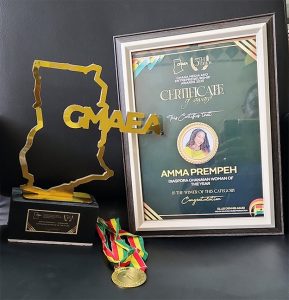
She has won an award at the 5th Ghana Media and Entrepreneurship Awards, which took place on Sunday, August 17, 2025 at the La Palm Royal Beach Hotel in Accra.

The Diaspora Ghanaian woman of the year award

Amma Prempeh, who is the Director and Executive Producer of the “Kente Culture Story Documentary Film: The Importance of Kente to Ghanaians & Black Africans,” won the “Diaspora Ghanaian woman of the year” at the event, which celebrated excellence in media, business, and the creative arts.

The event brought together key leaders, innovators, and policymakers. The awards, which brought together leading figures sectors recognised and celebrated contributions of awardees to Ghana’s entrepreneurial and media landscape.

It also highlighted the achievements of individuals and organizations shaping Ghana’s entrepreneurial ecosystem and media landscape.

Ms Prempeh, a granddaughter of Otumfuo Osei Tutu II has dedicated the “Diaspora Ghanaian woman of the year” award to the late Asantehemaa, Nana Konadu Yiadom III.

Last year May 1, 2024 Amma Prempeh won three awards at the fourth edition of the Golden Age Business and Creative Arts Awards (GACAA) at the La Palm Royal Beach Hotel in Accra.

The awards are “Woman of Excellence: Creative Art Personality of the Year”; “Woman of Excellence: Tourism and Arts Personality of the Year” and Yaa Asantewaa Woman of Valour and Honour Award.”

Journalists schooled on reporting on Nuclear Energy programme in Ghana

0
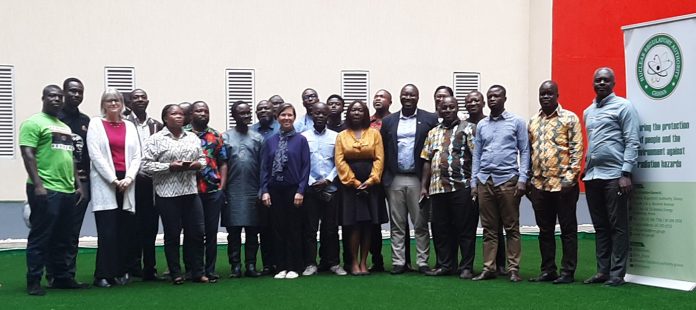
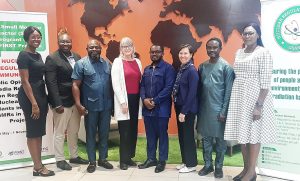
A group picture of participants and facilitators.

The Nuclear Regulatory Authority (NRA) has held a training session for media professionals from the Northern Zone, comprising the Ashanti, Bono East, Oti, Savannah, Northern, Upper East, Upper West and North East regions.

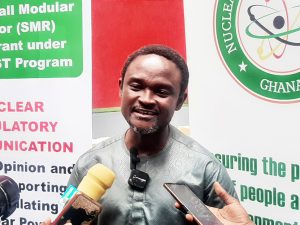
Prof. Emmanuel Apomah-Amoako interacting with the media

The training session seeks to equip media professionals on the foundational knowledge of nuclear energy and Small Modular Reactors (SMRs), while enhancing capacity on accurate, responsible, and informed reporting on Ghana’s nuclear programme and the work of the regulator.

It forms part of the implementation of the ongoing “Nuclear Regulatory Communications” project.

Prof. Augustine Faanu, Deputy Director-General, NRA, disclosed that the training was in line with his outfit’s strategy goals of ensuring stakeholder trust, respect and confidence.

He noted that NRA’s role was to ensure that human’s environment had adequately been protected from harmful effects of radiation, hence the need to sensitise the citizenry on how to protect them against its adverse effects.

He stressed the need for strong collaboration among all stakeholders, particularly the media and hoped the training would help media professionals to be appropriately informed of issues concerning reporting on nuclear regulations.

Prof Faanu further disclosed that the workshop reflected the NRA’s commitment to strengthening the relationship between them (NRA) and the media, with the aim of equipping the media with rudimental knowledge of nuclear energy to ensure accurate and responsible reportage.

He noted that in today’s world, accurate, timely and responsible communication was critical, particularly in the nuclear sector, acknowledging the influential role the media play in shaping public perception, whether reporting on development, policies, and safety.

Facilitators at the workshop

The Deputy-Director indicated that the workshop was meant to share both NRA and media respective experience from the sector, and offer an opportunity to share insights, prioritise misconception, as well as build stronger partnership to ensure a clear, official and balanced information is shared to the public.

Prof. Emmanuel Apomah-Amoako, Director, Nuclear Installation, disclosed that the NRA was developing its capability and competence, to be able to effectively discharge its duties, to regulate, review and assess submissions from applicants, for nuclear or radioactive materials, based on the requirements.

Prof. Apomah-Amoako further disclosed that NRA was working with international partners, US Nuclear Regulatory Commission who are helping with various support activities and also the European Commission, with whom the NRA runs projects (December, 2019 to December, 2026), that had taken care of NRA’s strategy, management system, human resource and regulation development.

He noted that the NRA had “opened itself up” for the international community to know what it is doing, envisaging interaction with the public, including the media, to demonstrate how effectively NRA was conducting its work.

Contrary to the Ghanaian narrative of nuclear energy being hazardous, Prof. Apomah-Amoako disclosed that it had no adverse effects, noting that the satellite image of the world at night only shows a small section being luminous, with these parts possessing nuclear energy.

Prof. Apomah-Amoako, however, indicated that though nuclear energy had no adverse effect, it must be handled with “care and appropriately”, stressing that its pros overshadow its cons, if handled appropriately. 

Among the facilitators were Dr. Peter Takyi Peprah, Ghana Statistics Service; Dr. Kelle Barfield; Prof. Emmanuel Apomah-Amoako, Director, Nuclear Installation, NRA; Maureen Conley, Public Affairs Officer, US Nuclear Regulatory Commission; Dr. Sheila Victoria Gbormittah, NRA; Michael Petit Komla Mawugbe, Media Consultant, Publisher and Author; and Kofi Adu Domfeh, MultiMedia Group.

From Oswald Pius Freiku, Kumasi

Police Rescue Five Abductees, Kill Suspected Kidnappers

0
Police

The Nigeria Police Force (NPF), in its continuous efforts to bolster internal security and protect the lives and property of citizens, has announced the successful rescue of five kidnapped victims, the decimation of a notorious kidnapping gang, and the recovery of arms and ammunition.

Force Public Relations Officer, Olumuyiwa Adejobi, announced this in a statement on Tuesday.

Adejobi said a group of armed kidnappers had stormed Sangara Village in Shanga Local Government Area of Kebbi State on the 27th of July, 2025, and abducted three individuals, Muhammad Namata, Gide Namata, and Hamidu Namani.

He said this prompted police operatives alongside other security agencies and local vigilantes to launch a coordinated search-and-rescue mission to Shanga Hills, where the kidnappers were tracked and engaged.

During the encounter, the criminals were overwhelmed in a fierce gun duel and fled into the forest with various degrees of gunshot wounds, leading to the successful rescue of the three kidnapped victims.

Meanwhile, in a separate operation in Danko/Wasagu Local Government Area of Kebbi State, police operatives attached to the State Command on routine patrol around Dankade Village in Ribah District encountered a group of armed bandits on the 15th of August 2025 and engaged them in a gun duel.

Credit: channelstv.com

We Must Bring Nigeria To Forefront, Tinubu Tells Nigerians In Brazil

0
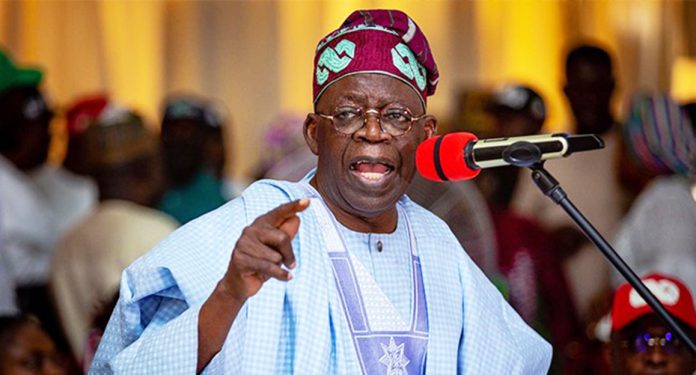
President Bola Tinubu

President Bola Tinubu on Wednesday harped on the need to place Nigeria at the forefront of Africa’s progress. Speaking to Nigerians in Brazil, the President pledged to fast-track Nigeria’s development through technology and food security, aligning with the success models of emerging economies like Brazil.

‎He reiterated his administration’s commitment to transformation through innovation, reform, and inclusive growth.

‎‎“‎We must bring Nigeria to the forefront of Africa’s progress, driven by technology, food sovereignty, and the courage to change our destiny,” presidential spokesman, Bayo Onanuga, quoted Tinubu in a statement as saying.

Describing his visit to Brazil as a strategic move to deepen bilateral ties and draw inspiration from the impressive development trajectory of the South American country, Tinubu said both nations once shared similar economic starting points.

‎“Once upon a time, Nigeria and Brazil stood on the same level. Look at Brazil today, its technology, its food systems. We must ask ourselves: what do they have that we don’t?

‎‎“We have the brains, the energy, and the youth. We have everything we need. Now, we must act.”

He commended the vibrant Nigerian diaspora community and urged them to see themselves as key stakeholders in building a new Nigeria rooted in innovation, culture, and shared responsibility.

‎‎“You are the pride of our nation. Your diversity, your commitment — it reflects the Nigeria we are working to build. I salute you all,” he said.

‎The President acknowledged the difficulties citizens face due to ongoing economic reforms, insisting that they are essential steps toward long-term stability and prosperity.

Credit: channelstv.com

I take responsibility for Abuja-Kaduna train derailment —NRC MD

0
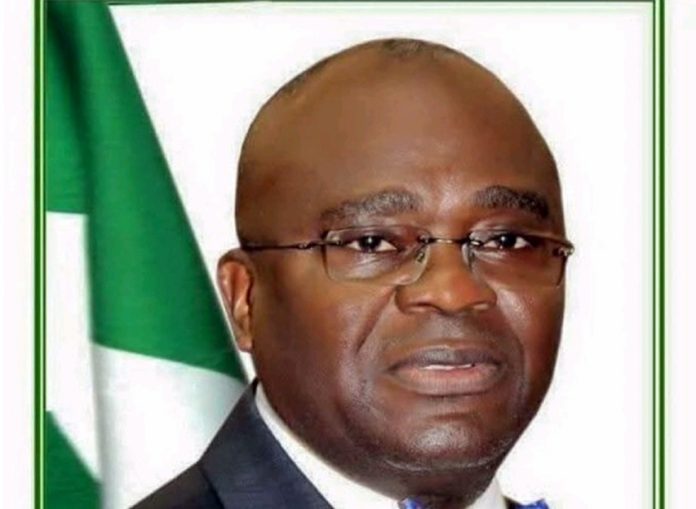
Managing Director of the Nigerian Railway Corporation, Kayode Opeifa

The Managing Director of the Nigerian Railway Corporation, Kayode Opeifa, says he has taken full responsibility for the derailment of the Abuja-Kaduna train along the Kaduna corridor on Tuesday.

Opeifa said this on Wednesday when he was responding to questions in an interview on The Morning Brief, a programme on Channels Television.

He, however, said the ongoing investigation into the incident would not be swept under the carpet.

The Managing Director of the Nigerian Railway Corporation, Kayode Opeifa, says he has taken full responsibility for the derailment of the Abuja-Kaduna train along the Kaduna corridor on Tuesday.

Opeifa said this on Wednesday when he was responding to questions in an interview on The Morning Brief, a programme on Channels Television.

He, however, said the ongoing investigation into the incident would not be swept under the carpet.

“Let me say, beyond apologising to Nigeria, I want to say as the Managing Director and Chief Executive, I take full responsibility. And in the case of safety, there is no indifference.

“Once it happens, the Chief Executive must take responsibility. In this case, I am taking responsibility,” Opeifa said.

According to him, though the incident should not have happened, the NRC would ensure that there is no recurrence.

“And I assure Nigerians that just as we are doing currently on the Warri-Itakpe, which he (the analyst) also mentioned, we shut down the Warri-Itakpe (route) three weeks ago.

“I ordered the shutdown for safety reasons, and if you see the level of work the men have been doing on the track, cutting it off and replacing it is to make sure things like this don’t happen,” he added.

Credit: dailypost.ng

The Ghanaian Chronicle