Home Blog Page 478

At least 19 dead in Nepal in protests sparked by social media ban

0
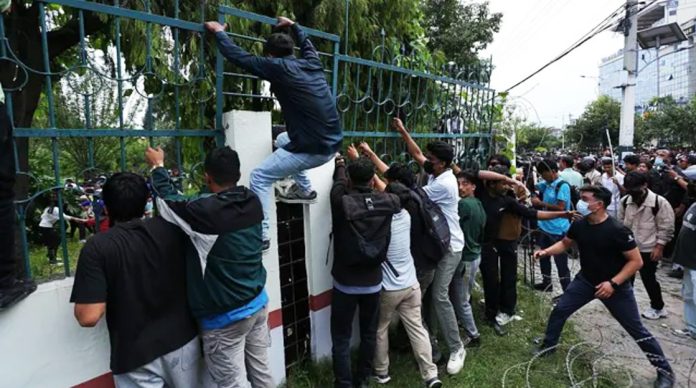
Some protesters climbed over the wall into the parliament premises

At least 19 people have been killed and dozens injured in Nepal after demonstrations against a government social media ban and corruption led to clashes between protesters and security forces.

Thousands heeded a call by demonstrators describing themselves as Generation Z to gather near the parliament building in Kathmandu over the decision to ban platforms including Facebook, X and YouTube, as well as over wider dissatisfaction with the government.

Nepal’s Minister for Communication Prithvi Subba told the BBC police had to use force – which included water cannons, batons and firing rubber bullets.

The government has said social media platforms need to be regulated to tackle fake news, hate speech and online fraud.

But popular platforms such as Instagram have millions of users in Nepal, who rely on them for entertainment, news and business.

Demonstrators carried placards with slogans including “enough is enough” and “end to corruption”.

Some said they were protesting against what they called the authoritarian attitude of the government.

Many in Nepal think corruption is rampant, with the government also facing criticism for failing to deliver on promises to address the country’s longstanding economic issues.

Nepal Army Spokesman Rajaram Basnet told the BBC that a small unit of soldiers had been deployed in the streets following the introduction of the curfew.

Last week authorities ordered the blocking of 26 social media platforms for not complying with a deadline to register with Nepal’s ministry of communication and information technology.

Credit: bbc.com

Brazil’s Lula says US warships in Caribbean are a source of ‘tension’

0
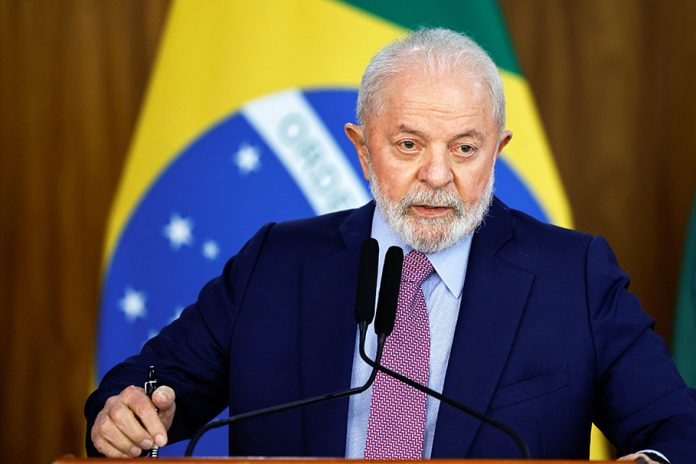
Brazilian President Luiz Inacio Lula da Silva

Brazilian President Luiz Inacio Lula da Silva has criticised the deployment of United States naval forces to the Caribbean, calling them a source of strain that could undermine peace in the region.


The South American leader expressed concern on Monday over the concentration of US forces, seen by some as a possible prelude to an attack on Venezuela.

“The presence of the armed forces of the largest power in the Caribbean Sea is a factor of tension,” Lula said during the opening of a virtual BRICS summit.


The US has said its military forces are in the region to counter drug trafficking. But the deployment has been paired with US threats against the government of Venezuelan President Nicolas Maduro, whom US President Donald Trump’s administration has accused of being closely linked with drug trafficking groups.


The Trump administration has provided no evidence for those claims and has often used vague allegations of connections to drug trafficking or criminal groups to justify extraordinary measures both at home and abroad.

Last week, the US carried out an unprecedented lethal attack on what the Trump administration said was a boat transporting drugs from Venezuela. Analysts have said the extrajudicial strike, which killed 11 people, was likely illegal, but US officials have promised to carry out more attacks in the region.


Credit: aljazeera.com

Six killed by Palestinian gunmen at Jerusalem bus stop

0
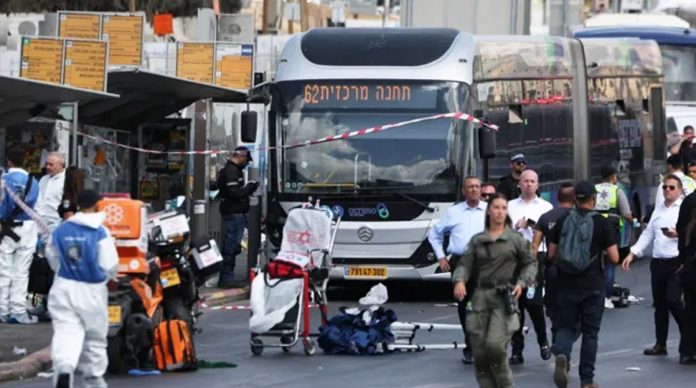
Israeli police said two gunmen opened fire towards a bus stop

Six people have been killed and eight others wounded by Palestinian gunmen in one of the deadliest shooting attacks in Jerusalem in the past few years.

Israeli police said “two terrorists arrived in a vehicle” and opened fire towards a bus stop at Ramot Junction, on the city’s northern outskirts. An off-duty soldier and a civilian returned fire, “neutralising” the attackers, it added.

Israeli media identified the dead as five men, aged between 25 and 79, and a 60-year-old woman. Local hospitals said two of the wounded were in a serious condition.

There was no immediate claim from any armed groups, although Hamas praised the attack.

During a visit to the scene, Prime Minister Benjamin Netanyahu told reporters that Israel was in “an intense war against terrorism on several fronts”.

Israeli security forces had thwarted hundreds of attacks in the occupied West Bank this year, “but, unfortunately, not this morning”, he said.

“We are now engaged in pursuit and are cordoning off the villages from which the murderers came. We will apprehend whoever aided and dispatched them, and we will take even stronger steps,” he added.

The Israeli military said soldiers were encircling Palestinian villages on the outskirts of the West Bank city of Ramallah to “thwart terrorism and strengthen the defence effort”.

Monday’s attack took place at the end of the morning rush hour at the Ramot Junction.

Israeli police spokesman Lt Dean Elsdunne said: “The terrorists arrived by vehicle… and deliberately opened fire on a number of civilians who were waiting at that busy bus stop to start their day.

“A number of armed civilians who were at the scene acted immediately. They engaged by returning fire and they killed those two terrorists on the spot.”

Credit: bbc.com

Communities Deserve Same Safety Standards as Construction Sites -KNUST Research Shows

0
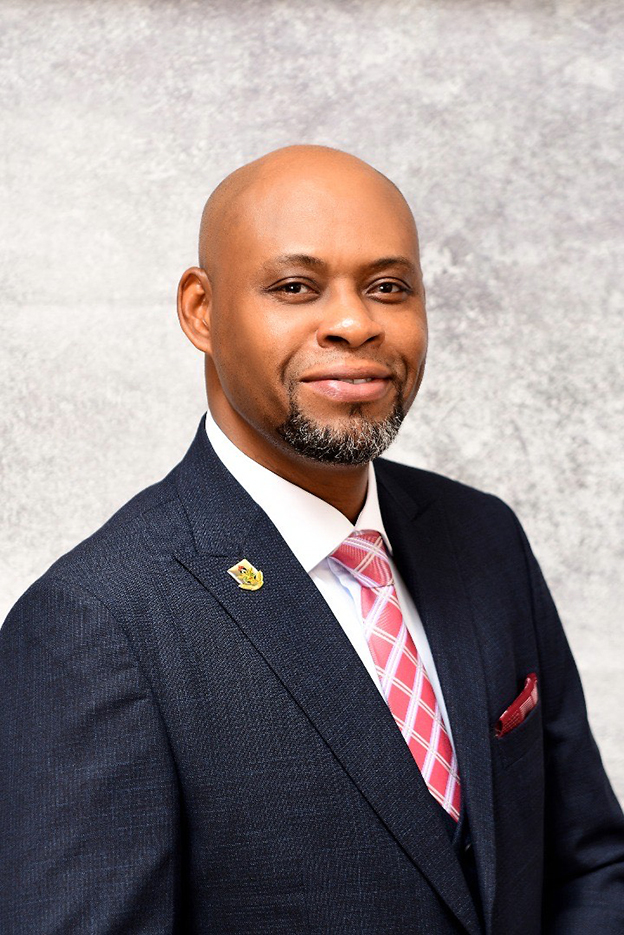
Professor Emmanuel Adinyira, a scholar in the Department of Construction Technology and Management at Kwame Nkrumah University of Science and Technology (KNUST)

A new policy framework developed at Kwame Nkrumah University of Science and Technology (KNUST) is calling for construction safety practices to extend beyond site gates and into host communities.

Presented by Professor Emmanuel Adinyira of the Department of Construction Technology and Management, during his inaugural lecture at the KNUST Great Hall, the framework sets out practical steps for transferring health, safety and environmental (HSE) knowledge from contractors to the very communities that bear the brunt of construction-related hazards.

Researchers argue that such reforms could help Ghana recover lost ground in achieving the Sustainable Development Goals (SDGs), where progress remains stalled at just 41.1 percent, with performance worsening in over a quarter of the targets.

The Framework for Change

Prof. Adinyira and his colleagues identified 26 hazards common to both construction sites and households including slippery floors, open drains, poor ventilation and chemical exposure.

While workers on site are shielded from these risks with helmets, signage and medics on standby, communities outside the fence are left uninformed and unprotected.

The framework proposes that contractors extend their safety culture into host communities through public demonstrations, school outreach, radio campaigns, and partnerships with churches and traditional councils. Workers recruited locally can serve as “safety ambassadors,” carrying lessons from the site back home.

“…if we get the knowledge and put it into practice, it would help us reduce health problems in our communities,” one resident said during a pilot study.

The Construction Paradox

On construction sites, safety is enforced with discipline: accidents are tracked, hazards flagged, and protective gear made mandatory.

Yet just beyond the gate, children play near transformers, vendors inhale dust, and families are unaware of how to respond in an emergency.

“On site, workers wear helmets, nose masks, and earplugs, but step outside the fence, and you’ll see children playing near transformers, vendors inhaling dust, and families with no idea how to respond in an emergency,” Prof. Adinyira observed.

This paradox leaves communities with invisible scars from noise pollution and unsafe sanitation to preventable injuries and illnesses.

The Ghana Statistical Service reports that domestic accidents like slips, burns, electrical shocks and poisoning remain a leading cause of injury among children under 15 years.

Diseases such as malaria, cholera, typhoid and diarrhoea continue to strain already burdened health systems.

Meanwhile, the 2023 Afrobarometer survey shows that 64 percent of Ghanaians consider pollution a serious problem in their communities, with poor sanitation and water contamination ranking highest.


Prof. Adinyira argued that if Ghana is to close its safety gap, construction firms, regulators, and educational institutions must think beyond their traditional boundaries.

He explained that firms should no longer view HSE as an internal obligation owed only to their workforce, but as a shared responsibility toward the communities that host construction projects. This would mean rewriting company safety policies to include community awareness campaigns, structured outreach, and active monitoring of environmental impacts outside the project fence.

To institutionalise this shift, Prof. Adinyira urged the Public Procurement Authority (PPA) to make community HSE education a contractual requirement in all major works projects. According to him, this step would ensure that safety awareness is not left to the discretion of contractors but embedded in the legal and financial framework of Ghana’s infrastructure development.

At the national level, he called for urgent passage of the long-delayed Occupational Safety and Health Bill, which has been under discussion for years but remains stalled. Without a strong legislative anchor, he cautioned, Ghana will continue to rely on fragmented regulations that fail to protect citizens comprehensively.

He emphasised that regulators such as the Environmental Protection Authority, the Labour Department, and the Factories Inspectorate must also be adequately resourced with personnel, technology, and funding to enforce compliance effectively, rather than leaving safety standards unenforced on the ground.

Education, in his view, is another cornerstone of reform. He recommended that the Ghana Education Service weave HSE principles into school curricula so that children grow up with a natural awareness of everyday hazards and preventive behaviour.

At the same time, adult learning opportunities must be expanded through trusted institutions like churches, clinics, and community centres, where residents already gather and can receive accessible, practical lessons.

Such measures, he noted, would help close the knowledge gap among older populations who face the highest daily risks but often lack formal safety training.

“Safety is not a gadget but a mindset,” he stressed, insisting that Ghana’s construction industry must commit to building this mindset at every level of society.

Beyond Cement and Steel

Prof. Adinyira’s call reframes construction not as a pursuit of cement, steel, and profit margins, but as an opportunity to build resilience alongside infrastructure.

“Our communities have poor HSE knowledge despite hosting major projects,” he concluded


Scientists find a surprising reason why people are eating more sugar

0

Ice creams, frozen desserts and super-chilled sodas take on a new appeal in sticky summer heat. As climate change drives hotter temperatures, Americans are consuming more and more of them, new research finds, with worrying health consequences.

There is plenty of evidence climate change will shape food availability and quality, leading to shortagesprice increases and even affecting nutritional value, said Pan He, a study author and a lecturer in environmental science and sustainability at Cardiff University. But far less is known about its effects on what we choose to eat and drink, she told CNN.

The researchers scoured US household food purchasing data between 2004 to 2019 allowing them to track the same families over a long time. They then compared purchasing decisions with regional weather data, including temperature and humidity.

As temperatures ticked up, people consumed more sugar, mostly in the form of sugar-sweetened drinks such as soda and juice, according to the study published Monday in the journal Nature Climate Change.

For every 1.8 degrees Fahrenheit of warming, added sugar consumption in US households increased by 0.7 grams per person per day, the researchers found, with a marked escalation as temperatures hit between 68 to 86 degrees Fahrenheit.

Hotter weather makes bodies lose more water, causing people to crave hydration and cooling. For many in the US that means reaching for cold, sweet products like sodas and ice cream, He said.

The effect is particularly pronounced in households with lower incomes or lower levels of education, the study found. Less advantaged groups tend to already have higher levels of sugar consumption, as this food can be cheaper and more accessible, making them more likely to opt for these products in the heat. They may also spend less time in air-conditioned spaces, according to the research.

The study predicts sugar consumption nationwide could increase by nearly 3 grams a day by 2095, if planet-warming pollution continues unchecked, with vulnerable groups at highest risk.

Too much sugar can bring a host of negative impacts, including higher risks of obesity, diabetes and cardiovascular disease.

The American Heart Association recommends limiting added sugars to no more than 6% of total calories people eat each day: no more than 36 grams for men and 26 grams for women.

“Public health issues related to sugar consumption have been broadly discussed, but if we consider the interaction with the climate change, it will make things worse,” He said. Policy makers around the world may need to consider ways to manage sugar consumption as part of adaptation to climate change, she added.

“Evidence on how (extreme heat) changes eating patterns is still relatively scarce,’’ said Charlotte Kukowski, a researcher at the Cambridge Social Decision-Making Lab at the University of Cambridge, who was not involved in the research. The study “highlights a less-discussed channel through which climate change can affect human well-being,” she told CNN.

“What’s particularly worrying is that the most vulnerable groups — those with fewer resources to adapt — are both most exposed to warming and most at risk of diet-related diseases,” she added.

Exactly how climate change will affect humanity’s eating habits, and the potential consequences on health and inequality, still remain unclear, He said, with much more research needed across different parts of the world.

Credit: cnn.com

Feature: Ending Female Genital Mutilation In Ghana: Voices, Data, And TheFight ForChange

0
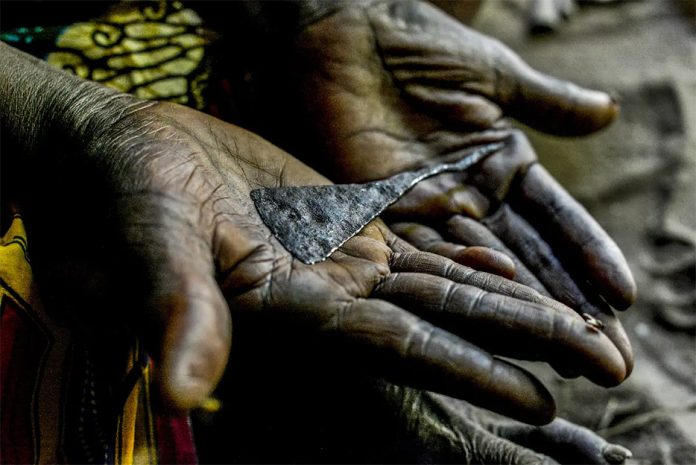
FGM

In the small towns and villages of Ghana’s Upper West and Upper East regions, whispers of an outlawed practice still linger. Female Genital Mutilation (FGM), though criminalized for more than 30 years, continues in the shadows, passed down under the veil of tradition. The scars are physical and emotional, borne by women and girls who rarely get to speak about their experiences.

For decades, efforts to eradicate FGM have relied on legal bans, awareness campaigns, and the commitment of civil society. Yet, because the practice is hidden and often performed on very young girls, official statistics paint only part of the picture. Now, Ghana is turning to a different kind of tool inclusive, citizen-generated data to bring hidden realities into the open and drive more targeted, culturally sensitive interventions.

In 1994, Ghana became one of the first West African nations to criminalize FGM under the Criminal Code (Amendment) Act. The law was strengthened in 2007 through the Domestic Violence Act, which imposed tougher penalties. But legislation alone has not been enough.

UNICEF data indicates that about 4% of Ghanaian women aged 15–49 have undergone FGM. Nationally, this figure may seem small, but in certain communities of the Upper East Region, prevalence reaches nearly 30%. In Bono East and parts of the Upper West, the practice continues in secrecy, sometimes performed when girls are as young as five years old. Families often act quickly, hoping to avoid the eyes of authorities and outsiders.

The result is that official surveys and national averages understate the scale of the problem. For women and girls, that invisibility translates into a lack of adequate protection and support.

A New Approach: Data by the People

In late August 2025, Accra hosted the “Make Inclusive Data the Norm (MIDN)” Peer Learning Exchange, a gathering that brought together governments, national statistical offices, civil society, academia, media, and development partners from Ghana, Kenya, and Colombia.

The initiative, funded by APC-Colombia and implemented by the Global Partnership for Sustainable Development Data (GPSDD), is designed to shift how countries collect and use information. Rather than relying only on official surveys, it promotes the use of citizen-generated data (CGD) data collected by communities themselves.

For Ghana, the focus is clear: use CGD to uncover the real extent of FGM in affected regions. By giving women and girls a role in documenting their experiences and shaping the data, the approach not only improves accuracy but also empowers citizens as active agents of change.


Through this, FGM can no longer remain hidden in compounds and villages. Evidence from the ground becomes a tool for advocacy, policy, and accountability.

The Players in the Fight

Ending FGM through inclusive data requires cooperation from many fronts.

Government and the Ghana Statistical Service (GSS): They validate citizen-generated data, integrate it into official systems, and use it to design tailored interventions. Ministries responsible for gender, health, and education are expected to act on the findings—strengthening law enforcement, expanding school sensitization programs, and improving support for survivors.

Civil Society Organizations (CSOs):NGOs and local groups already working in high-prevalence regions are essential. Their long-standing relationships build trust, making it possible for sensitive conversations about FGM to happen. They will also return findings to communities, facilitate dialogues, and lead campaigns that challenge cultural norms.

Academia:Universities and research institutions bring ethical and scientific rigor. They refine methodologies, analyze complex data, and help train local actors to continue data collection even after the project ends.

Development Partners: Organizations like GPSDD and APC-Colombia provide resources, technical support, and a global platform. Ghana’s experience contributes to international agendas like the Sustainable Development Goals (SDGs) and the Leave No One Behind (LNOB) commitment.

Together, these players form a web of action, each responsible for ensuring that inclusive data does not just fill reports but drives real change.

Why Data Matters

FGM’s persistence in Ghana is partly due to its invisibility. Conventional data collection methods—household surveys or census questions—rarely capture what happens in secret. Families that continue the practice often deny it, and survivors may be reluctant to disclose painful experiences.

By contrast, citizen-generated data captures nuances:

How early girls are subjected to cutting.

Which communities remain strongholds of the practice.

The social pressures that perpetuate it.

The local leaders or networks willing to stand against it.


These insights allow government and partners to target interventions instead of applying blanket policies. For instance, an awareness campaign in Accra may not have the same impact as one tailored to rural Bono East, delivered in local languages and framed within community values.

Beyond Numbers: The Human Cost

At its core, FGM is not a data problem—it is a human rights issue. The health consequences are well documented. The World Health Organization (WHO) lists immediate risks such as severe bleeding, shock, and infection. Long-term effects include chronic pelvic pain, complications during childbirth, menstrual problems, and increased newborn deaths.

The psychological toll is equally devastating. Survivors often live with trauma, anxiety, and depression. Many are also forced into early marriage, cutting short their education and future aspirations.

For Ghana, these consequences ripple into broader challenges: maternal health outcomes, gender inequality, and the cycle of poverty.

A Shared Commitment

The MIDN Peer Learning Exchange, held in Accra from 27–29 August 2025, was more than a meeting of experts. It was a reaffirmation of a shared commitment: that no harmful practice should remain invisible, and no community should be left behind.

By embedding citizen-generated data into decision-making, Ghana signals a shift from top-down policymaking to community-driven solutions. This participatory approach recognizes that the fight against FGM cannot succeed without the voices of those most affected—women and girls.

Looking Forward

The road to ending FGM in Ghana will not be easy. Cultural traditions are deeply rooted, and secrecy still protects the practice in certain areas. Yet the momentum is clear. With laws in place, civil society mobilized, and inclusive data shedding new light, Ghana has the tools to make meaningful progress.

The success of this initiative will depend on what happens next: whether government agencies act on the evidence, whether communities embrace dialogue, and whether development partners continue to invest in long-term change.

Ending FGM is more than eliminating a harmful practice. It is about protecting the dignity, health, and futures of girls across Ghana. It is about ensuring that no girl suffers in silence, and that every child grows up free to dream without fear.

Norway welcome Moldova to the Ullevaal Stadium

0
Erling Haaland, Norway

Norway’s pursuit of World Cup football continues this Tuesday night when the Red, White and Blue welcome Moldova to the Ullevaal Stadium in Oslo.

The hosts have enjoyed a perfect start to their qualifying campaign, while their upcoming opponents are yet to pick up a single point.

Norway’s absence from major tournaments in recent years has been somewhat profound, considering the vast amount of talent at their disposal.

Erling Haaland and Martin Odegaard are obvious examples, but the team is also full of other top individuals who ply their trade across Europe’s top five leagues.

Bearing all that in mind, the fact that Norway have not qualified for a World Cup since 1998 is quite sensational. When it comes to the European Championships, the Scandinavian outfit have not done any better – last competing in the event in 2000.

There was hope that Norway’s new generation of stars could change the tide of history. However, nothing has really changed for the Red, White and Blue, until now.

Norway have got their sights set on qualifying for the 2026 World Cup, and Moldova are highly unlikely to get in their way.

The hosts have been scoring goals for fun, and they could go wild should the visitors fail to get their act together in defence.

Credit: sportsmole.co.uk

France hope to avoid an upset against Iceland

0
Kylian Mbappé, France

France will hope to avoid an upset in the World Cup qualifiers in Group D when they welcome Iceland to Parc des Princes on Tuesday.

Both sides have three points after their first group game, with Les Bleus beating Ukraine 2-0 on Friday, while Iceland triumphed 5-0 against Azerbaijan on the same date.

France were no doubt fortunate to keep a clean sheet against Ukraine given their opponents created four big chances, hit the woodwork and squandered golden opportunities in the box.

The victory did little to dampen the criticism that boss Didier Deschamps has frequently faced, with his detractors arguing that his brand of football does not maximise the star power at his disposal.

The hosts have netted two or more goals in eight of their last 10, and they have kept three clean sheets in the four games leading up to Tuesday’s clash.

Deschamps’s side have proven difficult to beat at home given their record of three wins, one defeat and one stalemate in their last five in France.

Iceland were only winning 1-0 at the half-time interval against Azerbaijan – they netted in the second minute of stoppage time – and they should be credited for their strong defensive display in the second 45 minutes considering they prevented their opponents from producing a single shot.

France should be seen as favourites considering they boast some of the world’s most talented players, and their record against the visitors is excellent.

Iceland may pose some challenges, especially after their confidence-boosting victory against Azerbaijan, but it is difficult to see them overcoming the hosts’ qualities.

Credit: sportsmole.co.uk

Portugal faceoff with Hungary in Group F

0
Cristiano Ronaldo, Portugal

Portugal will be aiming to make it successive wins at the start of their 2026 World Cup qualification campaign when they travel to Hungary in Group F on Tuesday night.

Roberto Martinez‘s side opened their campaign with a 5-0 victory over Armenia to move to the top of the section, while the hosts played out a 2-2 draw with the Republic of Ireland last time out.

Hungary have famously twice been runners-up at the World Cup, with that occurring in 1938 and 1954, while they also reached the quarter-finals in 1962 and 1966.

Hungary have not managed to qualify for the finals of the competition since 1986, though, so there is plenty on the line in this qualification campaign.

Portugal hardly needed to break a sweat in their section opener with Armenia on Saturday evening, with Joao Felix and Cristiano Ronaldo hitting braces, while Joao Cancelo was also on the scoresheet.

Portugal on the other hand have never won the World Cup, with their best performance in the competition coming in 1966, when they finished third.

It would be some story if Ronaldo could lead the national side to World Cup glory next summer, and while Portugal will be outsiders, there is enough quality in their squad to advance deep into the competition.

Hungary have a lot of quality in their side, and we are expecting this to be a very close match, with a draw certainly possible, but Portugal’s firepower should see them claim a vital three points on Tuesday.

Credit: sportsmole.co.uk

England travel away to meet Serbia in Group K

0
Harry Kane, England

England will be aiming to make it five wins from their opening five 2026 World Cup qualification matches when they make the trip to Belgrade on Tuesday to tackle a talented Serbia outfit.

The Three Lions are top of Group K on 12 points, five points ahead of second-placed Serbia, although the hosts, who are unbeaten in the section thus far, have a game in hand on their opponents here.

Serbia will be looking to claim at least a playoff spot, but a win in this contest would give them real confidence when it comes to a possible first-placed finish in the section.

Serbia have tackled England on one previous occasion, with the two teams locking horns in the group stage of Euro 2024 and it was the Three Lions that triumphed courtesy of a goal from Jude Bellingham.

England should have no problems qualifying for the World Cup, but it remains to be seen how they perform, with Tuchel under pressure, considering that the national side have made the final of the last two European Championships.

England have not reported any injury problems from their clash with Andorra last time out, and there are unlikely to be many changes from the side that took to the field for the first whistle.

Serbia are a strong team with a whole host of excellent players, and this is set to be a very tough test for England; we are struggling to back the Three Lions with any real confidence here and have had to settle on a draw.

Credit: sportsmole.co.uk

The Ghanaian Chronicle