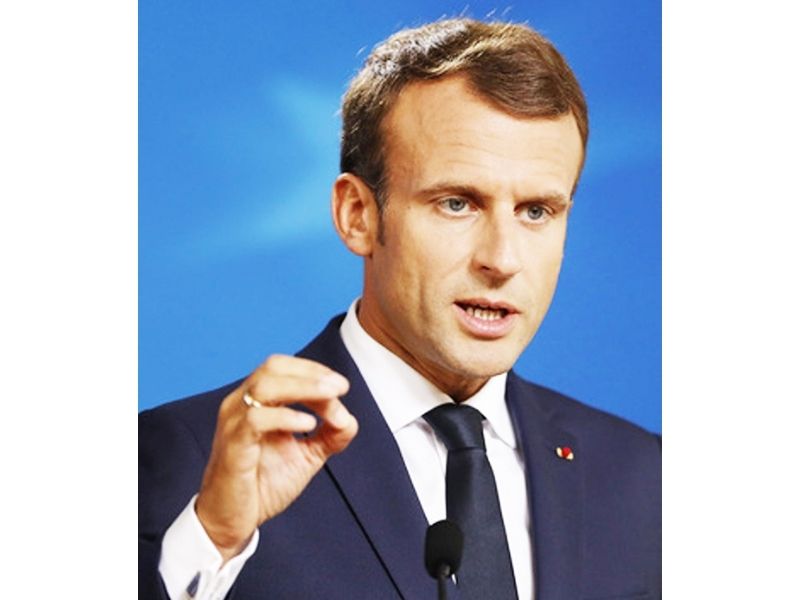
Iran’s state television has aired what it says are “confessions” by a French couple arrested five months ago, a move the French government is condemning as “shameful, revolting and unacceptable”.
The French man and woman were arrested in May when Iran was on the scene of demonstrations by teachers demanding pay rises and calling for the release of detained colleagues.
The broadcast of their alleged confessions came on Thursday as Iran grappled with a wave of women-led protests that erupted on September 16 following the death of Iranian Kurdish woman Mahsa Amini in custody.
Iran has repeatedly accused outside forces of stirring up the protests and last week announced that nine foreign nationals had been arrested.
In Thursday’s video, a woman speaking French and claiming to be Celine Kohler is heard saying that she is an “agent of the DGSE” French intelligence service.
She said the couple were in Iran “to prepare the conditions for the revolution and the overthrow of the Iranian Islamist regime”.
President Volodymyr Zelenskyy accuses Russia of “nuclear blackmail”, a day after Moscow and Kyiv sparred over control of the plant. His comments come as the head of the UN’s nuclear watchdog is expected to hold talks in Kyiv on establishing a security zone around the Russian-occupied plant.
He accused Russia of “nuclear blackmail” over its move to take full control of the Zaporizhzhia power plant in southeastern Ukraine.
“[The] capturing of Zaporizhzhia nuclear power plant [stands] for nuclear blackmail and for exerting pressure on the world and on Ukraine,” Zelenskyy said in a video address to the Sydney-based Lowy think-tank via a translator.
“You’re not using the weapons, but you can still be blackmailing by not having the nuclear power plant working for the people – the people are not receiving the electricity,” he added.
Russia captured the plant in March, shortly after invading Ukraine, and President Vladimir Putin ordered his government on Wednesday to take full control over its operations. The plant is Europe’s largest, and Ukrainian staff have continued to operate it until now despite Russian forces’ occupation of the site.
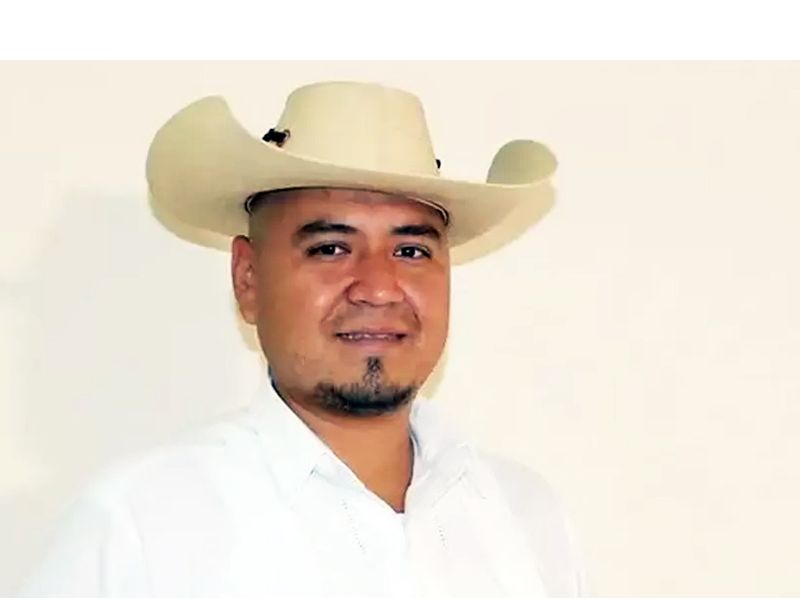
Gunmen have shot dead the mayor of a small town in western Mexico, and at least 17 others, officials say. Police say gunmen stormed the San Miguel Totolapan town hall at 14:00 (19:00 GMT) on Wednesday. Photos online show it riddled with bullet holes.
Mayor Conrado Mendoza Almeda’s left-wing PRD party condemned his “cowardly” assassination and demanded justice.
The attack has been blamed on the Los Tequileros criminal gang, which is linked to a powerful drug cartel.
Police officers and council workers were also killed in the massacre, with graphic images of bloodied bodies lying on the ground circulating on social media.
Mr Mendoza Almeda’s father, former mayor Juan Mendoza Acosta, was also killed – in his home – before the attack moved to the town hall.
A highway in the state of Guerrero, where San Miguel Totolapan lies, was reportedly briefly blocked by large vehicles to prevent security forces from getting into the city.
It is not yet clear what the motive behind the attack may have been but killings of local officials are not uncommon.
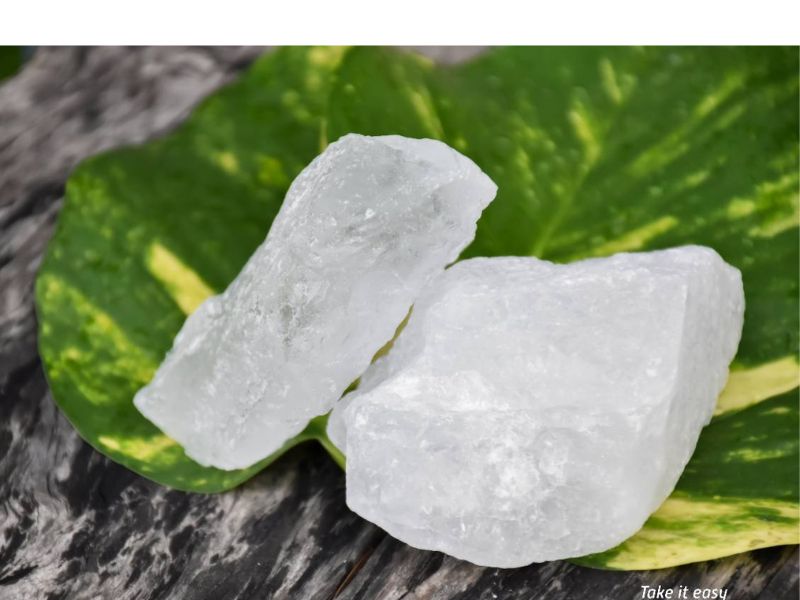
Alum is a compound that contains aluminum. In cosmetics, “alum” usually refers to potassium alum, which has astringent and antibacterial properties.
An astringent causes tissues to contract, making them shrink or tighten. People sometimes use astringents to reduce the appearance of pores on the skin.
Alum has a range of topical uses, including as an antiperspirant deodorant. It also features as an ingredient in certain products, such as styptic pencils, which help seal cuts from shaving.
However, the Environmental Working Group (EWG) notes that there are concerns that potassium alum may not be safe for long-term use. Some studies have found a relationship between deodorants that contain potassium alum and rates of breast cancer, but others do not agree with this finding.
In this article, we will look more closely at what alum is, its properties, uses, and risks.
What is alum?
Alum is a term that can refer to several aluminum compounds. In cosmetics, it usually refers to potassium alum, a type of mineral salt.
Other types of alum include:
soda alum
ammonium alum
chrome or chromium alum
Properties of alum for the skin
Potassium alum has several properties that companies utilize in personal care products.
Firstly, it is an astringent, meaning it causes the skin to contract or shrink. Astringents can temporarily reduce the size of pores and tighten the skin.
Alum is also bacteriostatic, which means it prevents bacteria from growing, making it useful as a preservative. It can reduce bacterial growth in personal care products and extend their shelf life.
In the production of vaccines, alum is also a common adjuvantTrusted Source, which means it enhances the immune system’s response to the shot. However, scientists are not sure how it does this.
Cosmetic uses for alum
Below are some of the topical uses for alum.
Shaving
Alum blocks make for popular shaving products because they prevent bacterial growth and reduce inflammation. This may help reduce the risk of a shaving rash or infection.
Alum is also an ingredient in styptic pencils, another shaving product that manufacturers make by fusing potassium alum with potassium nitrate. Styptic pencils are anti-hemorrhagic agents that treat shaving cuts by aiding clotting and quickly sealing the wound.
Antiperspirant deodorant
Alum is a popular ingredient in antiperspirants for its ability to reduce sweating. It is available in both standard deodorants and as a block that people get wet and then rub directly under the arms. Some companies refer to these products as “crystal deodorants.”
These deodorants may work by shrinking sweat ducts and reducing bacteria that cause body odor.
Acne
Because it is an astringent and inhibits bacteria, some people use alum to reduce oily skin and acne. However, while no research indicates whether it is an effective treatment for either of these, anecdotal reports state that it helps.
Alum may also appear on the ingredients list of skin whitening products, but there is no evidence it lightens the skin.
Benefits of alum for the skin
People have used alum medicinally for a long time. However, it is unclear if it has any long-term benefits for skin health, as there are no scientific studies on this topic. Much of what people know about alum’s properties come from anecdotal evidence or observation.
Scientists do know that alum inhibits the growth of several common strains of bacteria, including Staphylococcus and Streptobacillus. A 2014 laboratory study proved this by taking swabs from the armpits of five male participants, growing the bacteria in agar plates, and exposing them to alum.
However, this study only showed how well alum works in laboratory conditions on agar plates rather than on human skin.
Risks of alum to the skin
Alum may carry some potential risks, which include the below.
Poisoning
If a person gets alum or styptic pencil in their eyes, it can cause irritation. In some cases, it may cause long lasting damage.
If alum gets in the eyes, a person should remove any glasses or contact lenses immediately and rinse the eye continuously with room temperature water for 15–20 minutes.
Alum products can also cause mild poisoning if an individual ingests them, which may lead to nausea, vomiting, or an upset stomach. However, these symptoms should resolve quickly, and eating or drinking may reduce their effects.
If someone swallows a larger amount of alum or part of a styptic pencil, or if they have impaired kidney function, they should contact Poison Control for help.
Breast cancer
The EWG notes that some studies have found a relationship between antiperspirants containing aluminum and higher incidences of breast cancer. However, some older studies on this topic have not yielded the same results.
A 2017 study of over 400 females found that the frequent use of aluminum-containing antiperspirants had links to the presence of aluminum in breast tissue.
Participants with breast cancer had higher concentrations of aluminum in their breast tissue compared with the healthy controls without the disease, suggesting this may be a risk factor for breast cancer development.
However, more research is necessary to prove if aluminum in breast tissue can raise the risk of breast cancer.
Alzheimer’s disease
An older 2008 review of 34 studies found an association between aluminum and the neurological processes responsible for Alzheimer’s disease. However, the review did not look at the use of alum specifically. Instead, it examined the risk from aluminum exposure of any kind, including topical, oral, and environmental.
Therefore, more specific studies on topical alum use are necessary to see if there are correlations with Alzheimer’s disease.
Environmental toxin
Environmental scientists believe alum may be toxic to the environment, adding that they suspect it may also be bio-accumulative. This means the substance accumulates in habitats or the bodies of animals, rather than breaking down. More research is necessary to understand if this is the case and what the effects are.
Mr Okraku and Executive Director of Melcom Mrs Sadhwani displaying the signed document
The Melcom Group of Companies renewed its partnership with the Ghana Football Association (GFA) for two more years yesterday in Accra to help in the promotion of football in Ghana.
According to the terms of the arrangement, Melcom Group would give the GFA the tools it needs to oversee football administration, while meeting the requirements of the players, employees, and other stakeholders, and boost its reputation.
Addressing the gathering at the short ceremony to renew the contract, the Director of Communications of Melcom, Godwin Avenorgbo, said GFA was concerned about the whole physical, mental, and social growth of everyone involved in football and activities that were related to it.
To him, the passion of football at the national or international level unites the country, and as such, urged the Black Stars, the Senior National team, through the GFA, that every individual player must see himself as an integral part of the team.
“They should abhor selfishness on the field of play, and understand that Ghanaians are happy whenever a goal is scored regardless of who registers the goal.
They should abhor selfishness on the field of play and understand that Ghanaians are happy whenever a goal is scored, regardless of who registers the goal.”
In the area of football development, he suggested the adoption of the old adage SANKOFA as a tool for rediscovery. “We must go back to retrieve a workable solution which uses the inter-schools and colleges as breeding grounds for talents to feed the senior clubs in the Premier League and the national representative sides of both male and female,” he added.
To him, such a plan, driven by investment, would keep the game alive at all levels across the length and breadth of Ghana.
Mr. Avenorgbo said: “We are not oblivious to the fact that re-building on a wider scope than the current will require time and material resources but with a good plan and marketing support we believe that investment can be sourced from good corporate citizens and many well meaning Ghanaians.”
The President of the GFA, Mr. Kurt Okraku, who took his turn to address the gathering, said the GFA and Melcom had the same goal in mind – to meet the demands of their clients, which included soccer fans all over the world.
He argued that the ability of football to bring the nation together could not be measured, as seen by the comments made by supporters whenever members of the national team wins or loses a game.
“If we have a lot more resources to organise all competitions, to invest in our competitions, it means we are offering hope and giving opportunities to boys and girls who will not normally be found on the roads of Ghana ,’ Mr. Okraku added.
The contract was signed by the Executive Director of Melcom Group of Companies,
Dr. Joyce Rosalind Aryee, Executive Director, Salt and Light Ministries
“And now, O Israel, what does the Lord your God ask of you but to fear the Lord your God, to walk in His all ways, to love Him, to serve the Lord you God with all your heart and with all your soul.” – Deut. 10:12
God demands our spiritual service as our worship of Him as we see in the following scriptures:
Psalm 2: 11 – Serve the Lord with fear and rejoice with trembling.
6:7 – Serve whole heartedly as if you were serving the Lord and not men.
12:28 – Therefore, since we are receiving a kingdom that cannot be shaken, let us be thankful, and so worship God acceptably with reverence and awe.
From these Bible passages it is obvious that the major service God demands of us is our fear of Him; our obedience of Him; our love for Him and our joy in doing His will. The Lord is so good that when He commands us to do anything He Himself also empowers us to do it.
See how Jesus Himself doing His Father’s will, came to serve men as we read in Matt. 20:28 – “Just as the Son of Man did not come to be served, but to serve, and to give His life as a ransom for many.” (NIV)
We see in John 13:4-5 how He washed the feet of the disciples during the last supper.
In Phil. 2:7 reminds us that Jesus made Himself nothing, taking the very nature of a servant, being made in human likeness.
How do we then serve God the way He wants us to do?
Luke 9:23 says, “If anyone would come after me, let him deny himself, take up his cross daily, and follow Me.”
First of all we must deny ourselves and submit totally to the Lordship of Jesus in our lives who alone is the way to God.
We must be obedient to God by being sensitive to the promptings of the Holy Spirit. Until we have made Jesus our own personal Saviour the Holy Spirit remains outside our hearts.
We do what is the will of God.
Having said all this, some may be wondering whether service to God merely is the love of Him. As James says faith without works is dead. “Suppose a brother or sister is without clothes and daily food. If anyone says to him,“Go, I wish you well, keep warm and well fed’” but does nothing about his physical needs, what good is it?” – James 2:15-16.
We are therefore, enjoined to do good to each other. We are to help the poor and needy; feed the hungry; clothe those who have none, look after the sick, visit prisoners, be hospitable to strangers; and look after those who do God’s work to mention but a few. As Jesus Himself says in Matt. 25:35-36 –“For
I was hungry and you gave me something to eat, I was thirsty and you gave me something to drink, I was a stranger and you invited me in, I needed clothes and you clothed me, I was sick and you looked after me I was in prison and you came to visit me.”
Good works glorify God: “In the same way, let your light shines before men, that they may see your good deeds and praise your Father in heaven.” – Matt. 5:16 (NIV)
Good works do the following:
They enrich life;
They become a pattern for imitation;
They tend to summon others to their own tasks;
They demonstrate the reality of our faith in God through Christ Jesus.
When we serve men dutifully it:
enables life
exemplifies neighborliness
it is Christlike
it demonstrates love
it lightens life’s burdens.
The Bible has special commands concerning doing good and we find some of them in: Ps. 34:14; Ps. 37:3 James 4:14; Luke. 6:35; Heb. 13:16.
Therefore even as we wait to serve God we must remember the balance. It is not enough to do good deeds – and we will not secure our salvation merely by doing good.
(Salvation is by faith alone – Eph. 2:5b & 8-9). Neither is it good to have faith and have no good works, for the great command of our Lord and Saviour Jesus Christ is that when we have the good news, we must be up and going.
We must go and make disciple s of all nations as we read in Matt. 28 18:19 –“All authority in heaven and on earth has been given to me. Therefore go and make disciples of all nations.”
What then are the ingredients of a delightful service to God?
Love of God.
Obedience to His commands.
Total reliance on Him for direction.
Service to men.
Serving without complaining.
Immediate service.
Undivided service.
Winning souls for His kingdom.
To do all this, we must allow Jesus Christ to come into our lives and transform us for service. We must be born again – John 3:3-5. Every heart must confess Him as Lord and Master to obtain fullness of life so that we can serve Him with all our hearts, with all our souls and with all our strength.
We must beware of the sentimental admiration for Jesus, which withholds the reins of our lives from Jesus’ hands. The Lord Jesus is the enemy of every love, every relationship and every aim that does not aid the eternal sanctification of the soul.
Everything is an obstacle to true obedience until the Lord absolutely remakes us from the inside by planting the disposition of His holiness within us. We must therefore, yearn to be holy so that we can serve Him better.
Our self-centeredness, which is the driving force for much of our service must be eradicated. We do not do His work if we want to win the acclaim of men – Jesus warns us that if we do so, we will get the reward of men and not the Father – Matt. 6:11.
Oswald Chambers also says that “The real enemies of Christ are not the poor fallen people on the streets but those who profess holiness and yet never let Him eradicate the self-centered disposition in them.
We serve Him best when we surrender totally to Him and allow Him to use us. Then all our wants will indeed be His care as He promises us in Deut. 28:1-14.
Remain Blessed!
Please continue to join us on Asempa 94.7 FM – Sundays 5.30 am., Sunny 88.7 FM – Tuesdays 5:30 am; and YFM 107.9 – Sundays 6.30am; for our Radio Bible Study as well as Sunny FM 88.7 FM every Sunday at 3:30 pm. for Hymn and their Stories.
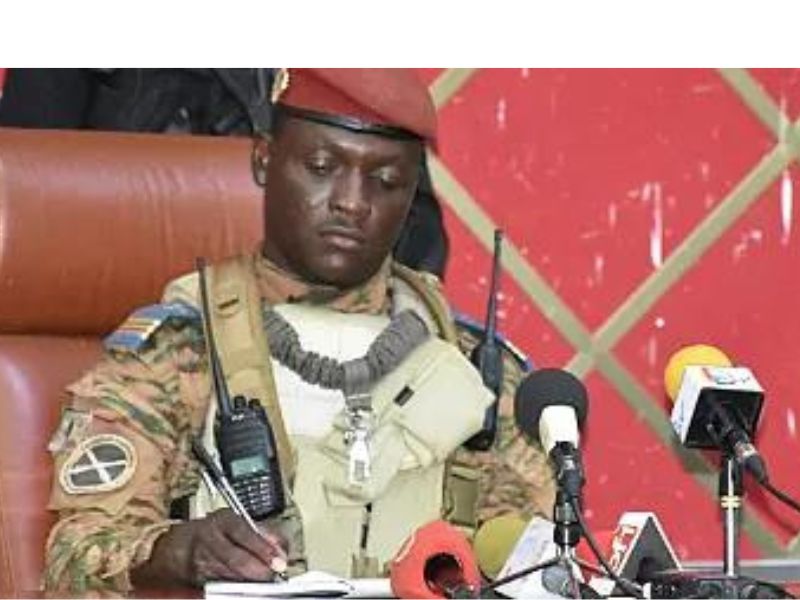
There is fire in Ouagadougou. And who’s to say where it’s catching next? For the second time in eight months, the military in Burkina Faso struck in a palace coup that removed military leader Paul-Henri Sandaogo Damiba.
The coup leader, Captain Ibrahim Traore, cited the same excuses Damiba gave for seizing power in January as reasons for his removal; namely, that the government has proved incompetent in containing the spread of Islamic insurgency, leading to increasing loss of lives among military and civilian populations.
Things couldn’t get worse for the land-locked country (pop 22m) where 45 percent of the population lives below the poverty level — one of Africa’s worst records.
Although things appear to have calmed down a bit as of the weekend, Damiba, who overthrew the elected government of Roch Christian Kabore in January, was still threatening potential outbreak of a “fratricidal war” that could make Liberia or Sierra Leone a child’s play.
How he would achieve that from his Togo hideout may be farfetched. But if we keep in mind the current fragile state of Burkina Faso which has been the scene of two coups in eight months, out of five coups in the subregion in two years, then there just might be cause to worry. Africa is playing with fire and doing so when the world has too many problems of its own to care about the continent.
Times have changed. But it’s also fair to say that the sort of nonsense that happened in Ouagadougou last week or eight months ago might have been unlikely when the Class of President Olusegun Obasanjo was in power only about 20 years ago.
The mice can now play because Africa’s cats have lost their felinity. In 2003 when President Fradique de Menezes was visiting Abuja and a military band in Sao Tome and Principe announced the overthrow of his government, Obasanjo stepped up. He did not wait for orders to act.
He simply returned to Sao Tome with the embattled de Menezes in a Nigerian aircraft, asked the thugs to stand down and reinstated the elected president. Nigeria’s current President, Muhammadu Buhari, also rallied regional leaders to shoo away Yayha Jammeh in 2017 when he tried to play games after he had been defeated in the Gambian election.
But after Banjul, Buhari, like other regional leaders, almost overcome by insurgency at his doorstep, has gone soft. The shuttle diplomacy by ECOWAS since Mali fell to soldiers two years ago, before Niger and other countries also followed, has largely produced talk and more talk. Consequences, the only language bullies understand, has been conspicuously missing.
The greater danger is not only in what is missing, but also in what is filling the gap. Where there was public outrage at military coups a decade or more ago, there is growing acceptance of the aberration as norm.
The public, tired of betrayal of trust by politicians, corruption, lack of accountability and the politics of exclusion, doesn’t seem to care anymore who is in charge – soldiers or civilians. In fact, there is a dangerously growing nostalgia for military rule.
Although the successful elections in Kenya have been a bright spot, Africa, as they say, is largely on its own. Global institutions or countries that might have intervened to mitigate the rising cases of unconstitutional changes in government, are facing a crisis of comorbidity.
The regional body, African Union, is forlorn and weak. Member states struggling with the predations of COVID-19 and fluctuating commodity prices are buffeted by internal political tensions. The US is facing its own domestic problems, while the Russia-Ukraine war has left Europe in disarray by compounding already fragile supply chain problems and spooking fears of a third World War.
Of the two European powerhouses with strong African ties one (France) is fast losing face and falling out of favour; while the other (Britain) is losing its way even at home.
It’s true that the world has enjoyed considerably more peace since the end of the Cold War and battle-related deaths have declined significantly for decades. It’s also true that in the last 30 years more countries around the world, including Africa, have embraced democratic forms of government and military coups have become unfashionable.
Yet, the sub-region is facing a different kind of threat. The war in Syria and the destabilisation of Libya and the Sahel have had negative consequences on efforts by a number of countries in the subregion that are struggling to consolidate their democratic gains. Armed jihadists trying to find a new home have infiltrated the subregion.
They are exploiting long-standing poverty, corrupt leadership and local animosities to unleash a reign of terror from Mali to Chad and from Niger to the Northern parts of Nigeria. With one-fifth of governments in West Africa currently under military rule, minus two in Central Africa, for example, the subregion is, once again, a painful reminder of its ragged past.
And as we saw in Mali, Guinea and now in Burkina Faso – all French West African countries – frustration is spilling beyond borders and tarnishing France, perceived to be maliciously complicit.
Yet, despair is not a strategy. Neither is condonement or frustration. Africa cannot afford to roll back decades of significant progress in democratisation in a moment of self-justifying insanity. That needs to stop.
And two things are needed urgently. 1) Civil society groups on the continent must play a more active role in condemning the spate of military takeovers; and 2) however dire things might be across the continent, the African Union must take the lead not just in speaking up against the gradual normalisation of military rule, but also in demonstrating that there would be serious consequences for unconstitutional changes in government.
The peer-review mechanism which allowed leaders to compare notes and served as an early warning system of sorts has broken down. It needs to be repaired immediately.
For example, indications from Sierra Leone ahead of next year’s general elections are not encouraging. That is how trouble starts.
If the shenanigans of President Julius Maada Bio including his heavy-handed treatment of the opposition is not contained, that volatile country could be headed for serious post-election crisis, the end of which no one can determine. Medicine after death cannot become the norm.
Also, if Nigeria wants to be regarded as anything remotely resembling Africa’s powerhouse, it must quit its current pussyfooting. How can Buhari be comfortable to step down next year and retire to his cattle ranch in Daura with neighbouring countries infested by thugs?
How can the military general who was once, to put it bluntly, physically restrained by President Shehu Shagari from using troops in Nigeria’s 3rd Armoured Division to overrun Chadian incursion in Borno State in the 1980s not be worried that nothing has changed in spite of ECOWAS shuttle diplomacy to rein in regional military usurpers in the last two years?
Buhari’s regression from Nigeria’s tough army general to the general of his cattle ranch, in Daura, is not good for him or the country. And it’s bad for the continent, too.
The slide cannot continue. It’s fine to blame outsiders, particularly shamelessly complicit France, for what is going on in much of French West Africa. But leaders on the continent must, and should be first to prevent the crime or tackle it when it appears. They must take responsibility or risk exposing their own houses to the spreading flame.
In recent times, science has demonstrated health benefits in consuming healthy spicy. For instance, one recent study found that the best way to prolong your lifespan is to eat chili pepper.
Though we know that a good diet, coupled with regular physical activity, promotes longevity, how singular foods extend one’s lifespan is what we don’t know. But, now there is evidence, however, that the addition of a certain fruit to your diet may slash the risk of several diseases by a quarter.
Study finds prekese to support epilepsy in animals
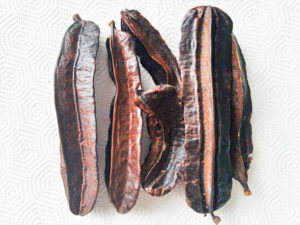
One of the healthy spicy in our Ghanaian community is the Aidan fruit or what is known as prekese. In this article, I explore the scientific aspect of Prekese.
Antioxidant
One experimental study in animals by Ojewole and Adewunmi(2004) found that Aidan fruit also known as prekese is effective in the management and/or control of arthritis and other inflammatory conditions, as well as in adult-onset, type-2 diabetes mellitus in some Yoruba-speaking communities of South-Western Nigeria. In this study, between 50-800 mg/kg of Aidan fruit was used.
Another study by Adusei et al. (2019) also agreed that prekese is antioxidant food and also has the following Phytochemicals (flavonoids, alkaloids, terpenoids, tannins, steroids, saponins, and phenols).
Effective against Parasitic worms
One study by Aladesanmi et al.(2007)found that Aidan fruit is effective against schistosomiasis. Schistosomiasis, also known as bilharzia, is an infection caused by a parasitic worm that lives in fresh water in subtropical and tropical regions.
The parasite is most commonly found throughout Africa but also lives in parts of South America, the Caribbean, the Middle East, and Asia.
Analgesic, epilepsy
Ojewole (2005) investigate the analgesic and anticonvulsant effects of Prekese in mice.
The comparative study used the pharmaceutical drug Morphine (MPN, 10 mg/kg), diclofenac (DIC, 100 mg/kg i.p.), phenobarbitone (20 mg/kg i.p.), and diazepam (0.5 mg/kg i.p.), respectively, as reference analgesic and anticonvulsant agent as against Prekese fruit aqueous extract (TTE, 50-800 mg/kg i.p.).
The results of this experimental animal study indicate that prekese fruit aqueous extract (TTE) possesses analgesic and anticonvulsant properties.
These findings lend pharmacological support to the suggested folkloric uses of the plant’s fruit in the management and/or control of painful, arthritic inflammatory conditions, as well as for the management and/or control of epilepsy and childhood convulsions in some tropical African countries.
Blood sugar and cholesterol-lowering
One animal study by Atawodi et al.(2014) concluded that the leaves of Prekese possess a potent capacity for the treatment of diabetes and the accompanying complications, including oxidative stress and high cholesterol.
This comparative study used (50 mg/kg) of prekese extract against the pharmaceutical drug glibenclamide for 7 days.
This is further cemented by Kuate et al.(2015) study in animals for 28 days which demonstrates the ability of prekese in the management of type 2 diabetes.
A recent study by Ngweye et al.(2020) found that using prekese alone is ineffective as compared to combining it with other significant ingredients such as turmeric to improve blood sugar.
Prekese
Weight, hypertension management
One animal study by Kuate et al.(2015) examined the potency of prekese on weight and hypertensive ability.
Prekese doses of (200 and 400 mg/kg) and a standard antidiabetic drug, metformin (300 mg/kg) were used for comparison for 28 days.
The body weight, systolic blood pressure, oxidative stress, and metabolic parameters were then assessed.
The study demonstrates the anti-insulin resistance, antilipidemic, anti-obesity, hypotensive, and anti-inflammatory properties of Prekese and concluded that it has the potential to be further developed for the management of obesity and hypertension.
Gout
Kuate et al.(2015) study also found that Aidanfruit is effective against hyperuricemia and its related conditions, like gout. Hyperuricemia is a condition marked by elevated levels of uric acid.
It is linked to many diseases, including gout, uric acid kidney stones, and acute kidney failure. In this study, the researchers were from Nigeria and Brazil and found compounds in the fruit extract.
They also examined its ability to inhibit lipid peroxidation in the kidney, liver, and lung tissues using a rat model.
Their study demonstrates that Aidan fruit extract contains flavonoids, such as apigenin, catechin, epicatechin, luteolin, rutin, and quercetin.
The extract also contains phenolic acids, such as gallic, chlorogenic, caffeic, and ellagic acids.
These compounds are known to exhibit anti-inflammatory and antioxidant activities. The researchers concluded that the Aidan fruit’s benefits can be linked to the combined effects of its flavonoids and phenolic acids.
Take Home
Animal studies have demonstrated the numerous health benefits of Prekese.However, human studies are needed to see how we benefit directly from prekese.
This notwithstanding, it provides a clue on prekese benefits. Additionally, one study, for instance (Ngweye et al.2020) found that using prekese alone is effective in animals but when it was combined with turmeric it demonstrates its effectiveness.
This adds to the numerous studies on natural remedies demonstrating that single ingredients use is not too effective and hence amalgamation of ingredients proves them to be effective.
The good news is that Ghanaian local foods are made with many other ingredients. Hence, adding prekese to your diet, for instance, soup, etc demonstrates its effectiveness(Ngweye et al.2020), and means that you are getting the needed benefit.
NB:
Prof. Nyarkotey has strict sourcing guidelines and relies on peer-reviewed studies, academic research institutions, and medical associations to justify his write-ups. My articles are for educational purposes and do not serve as Medical advice for Treatment.
I aim to educate the public about evidence-based scientific Naturopathic Therapies.
The author is a Professor of Naturopathic Healthcare and President of Nyarkotey College of Holistic Medicine & Technology (NUCHMT)/African Naturopathic Foundation.E-mail: collegeofholisticmedicine@gmail.com.
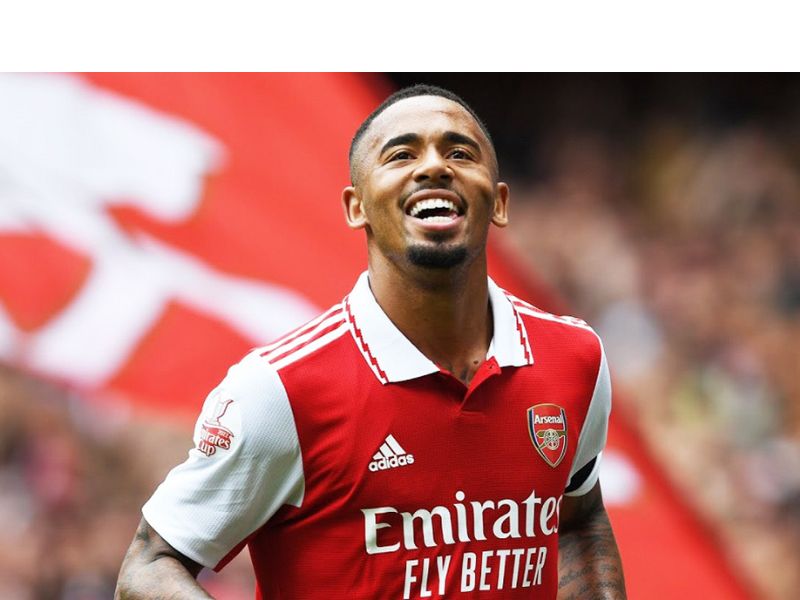
This season, Liverpool and Arsenal have been on the opposite spectrum of form in the Premier League. While Mikel Arteta’s men have been nearly flawless and are currently top of the table, Jurgen Klopp’s men have suffered draws and defeats, languishing at ninth in the table. On the other hand, Arsenal have only suffered one loss this season to Manchester United and are the only thing between Manchester City and the top spot.
Arsenal have been brilliant so far, and barring the defeat to United, Arteta has managed to deliver victories after victories. The defence has improved massively compared to the last season, with William Saliba being the star of the show.
Meanwhile, it has been a horrendous start to the season for Liverpool. The club has only won two matches in the league, drawing four and losing one. Their last match against Brighton was the perfect example of Liverpool’s struggle this season. Klopp’s men conceded a goal in the game’s final minutes to lose three points.
Arsenal are facing Liverpool at the perfect moment and, after a long time, go into this fixture as heavy favourites.
Credit: foottheball.com
Pierre-Emerick Aubameyang, Chelsea
Chelsea welcome Wolves at Stamford Bridge Chelsea are set to play Wolverhampton Wanderers at Stamford Bridge on Saturday in the English Premier League.
Chelsea come into this game on the back of a 3-0 win over Stefano Pioli’s AC Milan in the group stage of the UEFA Champions League.
In 16 head-to-head encounters between the two sides, Chelsea hold the clear advantage. They have won eight games.
Wolverhampton Wanderers have won three games, while the other four have ended in draws.
Chelsea are fifth in the league table, and have embarked upon a new era following the appointment of Graham Potter as manager. They invested heavily during the summer transfer window, signing the likes of Wesley Fofana, Marc Cucurella and Pierre-Emerick Aubameyang.
Potter’s Brighton & Hove Albion were an extremely impressive side, but it will take time for the highly-rated manager to establish his methods at a club the size of Chelsea. Patience will be required.
Chelsea will hope to capitalize on Wolverhampton Wanderers’s poor form, and will be the favorites to win this game.
Credit: sportskeeda.com
Olivier Giroud, AC Milan
Milan, Juventus Serie A clash of the titans
Milan vs. Juventus is always an eagerly anticipated game. AC Milan’s injuries woes continue, with even more players looking likely to miss this crucial clash with Juventus on Saturday evening. But there have been signs that the titleholders are getting back to their best again.
The Rossoneri left it late against Empoli on Saturday but scored two in stoppage time to pick up three vital points away from home. It keeps Milan just three points off the top.
Although a home game against Juventus will be anything but easy, Milan have been able to score goals this season and could well find the net this weekend.
Juventus were also able to celebrate a victory at the weekend – a rare treat so far this season. The 3-0 win at home against Bologna did little to quieten the calls for Allegri’s head. The fans still think that Allegri’s tactics are too conservative.
With European commitments for both teams in the week, this clash on Saturday could go far in determining whether either side will really challenge for the title this season.
Osasuna will be looking to move into the top four in La Liga when they welcome Valencia to Estadio El Sadar on Friday night. The home side are currently sixth in the table, while Valencia occupy ninth position, having picked up 10 points from their opening seven games.
Osasuna have made a strong start to the season, boasting a record of four wins, one draw and two defeats from their six matches to collect 13 points.
Osasuna have picked up seven points from their last four matches during a strong run and will enter this game off the back of a 1-1 draw with the champions Real Madrid last time out.
Valencia, meanwhile, will also enter this match in strong form, having claimed seven points from their last four matches, which has helped them move up the table into ninth position.
This game has all of the makings of a very interesting game, with both sides entering the fixture in strong form. Valencia are more than capable of picking up a positive result, but we are backing Osasuna to put another three points on the board to move into the Champions League spots.
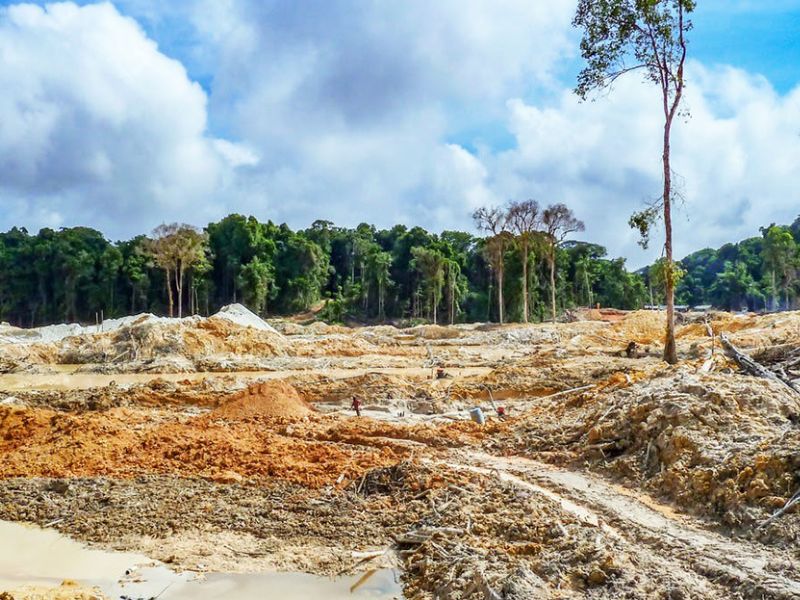
A forest completely destroyed through illegal mining activities
Nana Akufo-Addo addressing the house
President Nana Addo Dankwa Akufo-Addo says the fight against illegal mining can be won through close collaboration with Nananom to keep the environment clean and protect it as our heritage.
The President, who was addressing members of the National House of Chiefs in Kumasi yesterday, in a meeting which sought to seek the assistance of Nananom in the fight against the galamsey menace, appealed to the House not to consider the decision as a political one.
He reiterated that his government was not against mining, but frowns on the irresponsible manner which destroys the land and water bodies.
“If we have to win the fight, we (government and nananom) need to collaborate closely and fight it”, he said.
President Akufo-Addo and Samuel Jinapor at the meeting with the chiefs
Nana Akufo-Addo said the galamsey menace is a matter of great importance and reiterated that his stance against illegal mining remains central feature of his administration, even though it cost the party, but that was the simple truth.
According to him, Nananom have for centuries now been the custodians of lands, while the government by statute is responsible for the management of the lands in trust for the people.
He noted that the rules of mining ensure that the lands and water bodies are not polluted but that is not the case, hence the meeting with Nananom to reverse the trend.
, “it is obvious that, if we are to win the fight, you and I have to take the lead to collaborate closely to do so. That is why I am here today,” he told the chiefs.
According to him, eighty percent (80%) of the lands in Ghana continue to be under the custody of Chiefs, whereas the remainder of twenty percent (20%) is held in trust by the President.
What this means, he said is that, ultimately, the welfare of the state of the lands is the joint responsibility of Chiefs and the President, although, by statute, the minerals in the soil belong to the President in trust for the people.
“Historically, we discharged that responsibility well. Even though, for centuries, we have been a mining nation, mining did not pose a threat to the health of our environment and water bodies.
A section of nananom present
The rules that you put in place for mining ensured that the sanctity of our lands remained intact, and our water bodies remained unpolluted.
Tragically, in the modern era, that is no longer the case. And that is why I have come to you today to talk about how, together, we can repair this dramatic situation,” he said.
President Akufo-Addo indicated that, since he took office, on 7th January 2017, he has made it a central feature of his presidency to lead in the efforts to rid the country of the menace of Galamsey, with a firm commitment made in his inaugural speech on the matter.
Ogyeahohoo Yaw Gyebi, President of the National House of Chiefs and Paramount chief of Sefwi Anhwiaso in the Western North said the effects of illegal mining has threatened the survival of local farmers and undermined revenue mobilisation drive of the economy.
He called for appropriate sanctions against persons involved in the practice.
Nana Akufo-Addo later engaged Nananom in a closed door meeting to take a definite stance on the galamsey menace.
The President was also billed to meet Metropolitan, Municipal and District Chief Executives (MMDCEs) later in the day.