Home Blog Page 21

Gov’t misses target in latest Treasury Bill auction

0

The Government has missed its borrowing target in the latest Treasury Bill auction, recording a shortfall in the total amount accepted from the market.

​The auction results published by the Bank of Ghana for the tender held on April 10, 2026, said the Government sought to raise GH¢7.57 billion through the issuance of 91-day, 182-day and 364-day bills.

However, total bids accepted by the Central Bank amounted to GH¢ 5.11 billion, resulting in a deficit of GH¢ 2.46 billion against the initial target.

​The 91-day bill accounted for the bulk of the accepted bids, totalling GH¢ 4.43 billion, while the 182-day and 364-day bills attracted GH¢ 520 million and GH¢ 16 million respectively.

​In light of the results, the Government had set a target of GH¢ 4.89 billion for the upcoming Tender 2003.

GNA


Mahama’s Agric Reset Agenda In Full Swing

0

The government’s push to reset and modernise Ghana’s agricultural sector is gathering pace, as the Ministry of Food and Agriculture (MoFA) has signed a major Memorandum of Understanding (MoU) with Sentuo Group Limited to boost agro-processing and fertiliser production nationwide.

The agreement, spearheaded by Agriculture Minister, Eric Opoku and aligned with the larger vision of President John Dramani Mahama, is expected to reposition Ghana from a largely raw commodity exporter into a competitive agro-industrial economy.

Central to the partnership is the establishment of modern agro-processing facilities across the country, aimed at adding value to key crops including cashew, maize, rice, soybean, and oil palm. The initiative will also integrate storage, packaging, quality control, and export systems to enhance Ghana’s competitiveness on the global market.

Officials say the move is part of a deliberate strategy to reduce post-harvest losses while expanding export earnings through processed agricultural products.

Speaking at the signing, Mr. Eric Opoku described the agreement as a turning point for the sector.

“This partnership signals a shift from exporting raw commodities to building a resilient agro-industrial economy that delivers jobs, value, and long-term prosperity,” he said.

A key component of the deal is the development of a National Fertilizer Manufacturing Plant alongside an integrated input supply system.

The project aims to reduce Ghana’s reliance on imported fertilisers and stabilise prices for farmers.

According to the Minister, the initiative will shield local farmers from global supply shocks and input cost volatility.

“For years, our farmers have been vulnerable to fluctuations in imported inputs. This intervention will ensure reliable access to affordable fertiliser across the country,” he noted.

The MoFA–Sentuo partnership is expected to complement ongoing government interventions under programmes such as the Feed Ghana initiative and the 24-Hour Economy policy.

The 2026 national budget underscores the scale of these efforts, with plans for the distribution of over 272,000 metric tonnes of fertiliser nationwide, alongside targeted support for intensified crop production and cocoa sector inputs.

Analysts say the establishment of local fertiliser production capacity could significantly reduce foreign exchange pressures while improving supply chain stability.

Under the agreement, Sentuo Group will finance, design, construct, and operate the proposed facilities through a Public-Private Partnership (PPP) model, in line with Ghana’s regulatory framework.

The company is expected to deploy modern technologies and international expertise, while prioritising job creation, skills development, and local content.

The Agric minister highlighted the employment potential of the initiative, noting that it is expected to generate thousands of direct and indirect jobs across the agricultural value chain.

MoFA will oversee policy coordination, regulatory support, and stakeholder alignment to ensure smooth implementation of the projects.

Industry observers have described the agreement as a significant milestone, reflecting growing investor confidence and a clearer policy direction under the current administration.

Reaffirming government’s commitment, the Minister stated that the initiative forms part of a broader effort to build a sustainable and industrialised agricultural economy.

“With strategic partnerships like this, we are laying the foundation for a productive, export-driven agricultural sector capable of supporting Ghana’s long-term economic transformation,” he said.

With feasibility studies and regulatory processes expected to begin in the coming months, the MoFA–Sentuo partnership is being positioned as a flagship initiative in Ghana’s agricultural transformation drive.

If successfully implemented, the project is expected to boost value addition, improve farmer access to inputs, create jobs and strengthen food security – key pillars in the country’s quest for economic resilience and growth.


For more news, join The Chronicle Newspaper channel on WhatsApp: https://whatsapp.com/channel/0029VbBSs55E50UqNPvSOm2z

Police ‘dispatch’ 2 daring armed robbers

0

Two suspected armed robbers were shot dead by the police in Tema on Monday after they allegedly shot a mobile money vendor.

Speaking to The Chronicle on condition of anonymity, a senior police source intimated that, the incident occurred around 10: 30am and approximately 100 meters away from the St Paul Methodist Church, Community One, where Vice President, Prof Jane Naana Opoku Agyemang was attending a program.

According to the police source, gunfire erupted in the immediate vicinity while the program was ongoing. The sound prompted security personnel on duty at the event to move towards the source of the shots.

Deputy Superintendent of Police (DSP), Mr Jean Kpelli, in charge of Tema Police Operations led a police team that spotted a Royal black motorbike with registration number M-24-GE778 speeding away from the area.

The officers pursued the riders to Community Ten, where the suspects allegedly opened fire on the police.

The source continued that, in the ensuing exchanges, the two men were hit and pronounced dead.

At the scene, police recovered one black 9mm Luger Pistol and a search conducted on the suspects revealed a blue hand bag, containing the following items – three live rounds of ammunition, one spent shell, three Android mobile phones.

Also found were, one Ghana Card bearing the name Mavis Mensah, assorted SIM cards, one talisman, one Royal motorbike ignition key and cash amount of GHC11,390.00 (Eleven thousand, three hundred and ninety Ghana Cedis).

The Tema Regional Crime Scene Management Team went to reconstruct the scene, took custody of the pistol to be forwarded to the Central Firearm Registry to ascertain the ownership, likewise the Driver Vehicle and Licensing Authority (DVLA) for that of the motorbike.

The Police source concluded by saying that the female mobile money vendor who was shot in the foot was rushed to the Tema General Hospital for treatment.


For more news, join The Chronicle Newspaper channel on WhatsApp: https://whatsapp.com/channel/0029VbBSs55E50UqNPvSOm2z


Akropong chieftaincy row deepens –MCE calls for unity

0

Rising tensions over the protracted Akropong chieftaincy dispute are sparking renewed concern among residents and development stakeholders, with fears mounting that the situation could degenerate into a serious security and social crisis if not swiftly resolved.

The dispute, which has lingered for years, continues to deepen divisions within the Akuapem traditional area, particularly between factions aligned with the queen mother and opposing groups.

Accusations of entrenched positions, disregard for customary processes, and attempts to bypass traditional dispute resolution mechanisms have further complicated efforts toward peace.

Amid the growing unease, the Municipal Chief Executive (MCE) for Abuakwa South, Nana Adu Sarpong Addo Aikins popularly known as Addo-Aikins Jr. has called for calm and urged all parties to pursue internal resolution through established traditional and legal channels.

In a statement shared on his Facebook page on Sunday, the MCE emphasised that Ghana’s chieftaincy framework, as enshrined in the 1992 Constitution and the Chieftaincy Act, clearly mandates that such disputes fall within the jurisdiction of the Regional House of Chiefs, particularly its Judicial Committee.

He noted that these bodies remain the appropriate authorities to adjudicate matters affecting paramountcies such as Akuapem.

Providing background to the dispute, the MCE explained that the current controversy stems from disagreements during the process leading to the installation of the Okuapehene, including claims that due customary procedures were not followed.

However, he indicated that available records show earlier legal challenges, especially those initiated by the late Abrewatia Lily Agyeman, over her alleged exclusion from the nomination process were addressed by the Eastern Regional House of Chiefs.

The Judicial Committee, he said, subsequently ordered a restart of the process in accordance with tradition.

Following that ruling, the nomination and installation processes reportedly proceeded under the supervision of recognized kingmakers and traditional authorities, but the queen mother’s faction, however, is said to have withdrawn cooperation and later formed a pressure group challenging the legitimacy of the installed Okuapehene.

Key issues raised by the opposing faction include disputes over royal lineage, the role of the queen mother in nominations, adherence to customary practices, and the conduct of traditional rites such as confinement and selection processes.

On the other hand, proponents of the installation insist that all customary requirements were duly observed citing the Akan chieftaincy principle of “capacity,” which determines who is qualified to perform specific traditional roles.

According to traditional authorities involved, the late Abrewatia, recognized as the legitimate family head with the authority to nominate, led the process appropriately.

The nominee, they argue, satisfied all lineage requirements, was vetted and approved by a majority of kingmakers, and subsequently underwent the necessary enstoolment and installation rites.

The installation, though adjusted in line with COVID-19 restrictions at the time, reportedly involved all key divisional chiefs, an event some described as an unprecedented show of unity within the traditional council. The Okuapehene has since been officially gazetted.

Despite these developments, tensions continue to simmer, with concerns growing over the involvement of aggrieved youth groups and the potential for unrest. Analysts warn that any escalation could trigger state intervention, an outcome that may undermine traditional governance structures.

There are now renewed calls for all parties to return to the appropriate chieftaincy dispute resolution mechanisms, particularly the Regional House of Chiefs, to seek a final and binding resolution.

Traditional leaders, legal experts, and concerned stakeholders are urging restraint, dialogue, and adherence to Akuapem customs to restore harmony and protect development in the area.

As the impasse persists, many believe that only a decisive, lawful, and culturally grounded resolution can bridge the divide and secure lasting peace in Okuapem.


For more news, join The Chronicle Newspaper channel on WhatsApp: https://whatsapp.com/channel/0029VbBSs55E50UqNPvSOm2z


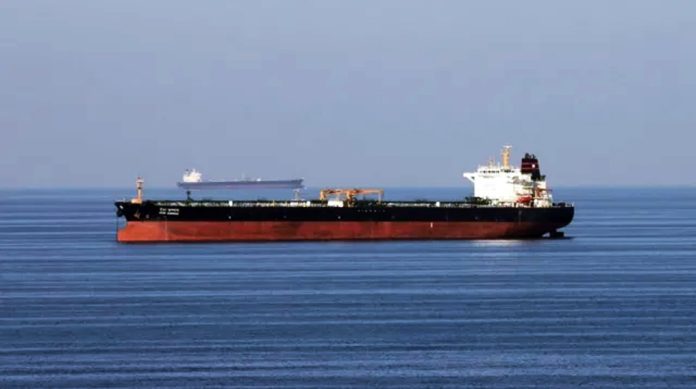
HoroscoWhy the Strait of Hormuz matters so much in the Iran warpe for Today

0

Iran and the US have agreed to a ceasefire on the condition that “safe passage” through the Strait of Hormuz is guaranteed.

Tehran had effectively blocked the waterway, one of the world’s busiest oil shipping channels, since the US and Israel attacked the country on 28 February.

About 20% of the world’s oil and liquefied natural gas (LNG) usually passes through the strait and hostilities had sent global fuel prices soaring.

Oil prices plunged by around 15% shortly after the announcement of the ceasefire.

What and where is the Strait of Hormuz?

Bounded to the north by Iran and to the south by Oman and the United Arab Emirates (UAE), the corridor – only about 50km (31 miles) wide at its entrance and exit, and about 33km wide at its narrowest point – connects the Gulf with the Arabian Sea.

The strait is deep enough for the world’s biggest crude oil tankers, and is used by major Middle Eastern oil and LNG producers, as well as their customers.

In 2025, about 20 million barrels of oil and oil products passed through the Strait of Hormuz per day, according to estimates from the US Energy Information Administration (EIA). That is nearly $600bn (£447bn) worth of energy trade per year.

The oil comes not only from Iran but other Gulf states such as Iraq, Kuwait, Qatar, Saudi Arabia and the UAE.

About 20% of global LNG is also shipped through the strait, mostly from Qatar. In 2024, it exported about 9.3 billion cubic feet per day (Bcf/d) of LNG through the strait, and the UAE about 0.7 Bcf/d, according to the US government.

LNG is gas turned into liquid, which takes up 600 times less space for transport, which is then turned back into gas at its destination to be used for heating, cooking and power.

Hormuz is also a crucial route for exports of fertiliser from the Middle East, where natural gas is used heavily in the production process. About one-third of the world’s fertiliser trade normally passes through the strait.

The strait is also a vital channel for imports to the Middle East, including food, medicines and technological supplies.

What was the impact of closing the strait and how did Iran effectively block it?

About 3,000 ships usually sail through the strait each month but this dramatically decreased during recent hostilities, with Iran threatening to attack tankers and other ships.

United Nations rules allow countries to exercise control of territorial seas up to 12 nautical miles (13.8 miles) from their coastline.

At the narrowest point, the Strait of Hormuz and its shipping lanes lie entirely within Iran and Oman’s territorial waters.

Iranian drones, missiles, fast attack boats and potentially mines presented a serious challenge to boats seeking to travel through the waterway.

As of 2 April, non-profit United Against Nuclear Iran said at least 24 commercial vessels had been hit, plus three near misses.

“You can be attacked, and you can’t get insurance or it is extremely expensive,” Arne Lohmann Rasmussen, chief analyst at Global Risk Management, a provider of energy market insights, told CBS News, the BBC’s US partner, during the instability.

Gulf countries, including Iran, rely heavily on energy exports for their income.

Disruption in the strait has also hit Asia hard, with China alone estimated to buy around 90% of the oil that Iran exports to the global market.

In Asia, the fuel crisis continues to impact daily life. Governments have ordered employees to work from home, cut the working week, declared national holidays and closed universities early in order to conserve their supplies.

In Africa, South Sudan and Mauritius both announced measures restricting electricity consumption.

In Europe, Slovenia became the first EU member state to implement fuel rationing.

How did the US try to reopen the strait?

The US has not deployed any warships to the strait, confining its military response to air attacks on Iran, including its navy.

On 18 March, for instance, the US military reported bombing Iranian anti-ship cruise missile sites along the strait.

Trump previously called for other countries, including both US allies and China, to help secure Hormuz by sending warships, but his request was met with little enthusiasm. He then said the US did not actually need their help.

The US has previously used its military might to re-establish the flow of maritime traffic through the strait.

In the late 1980s, during the eight-year Iran-Iraq war, strikes on oil facilities escalated into a “tanker war” that saw both countries attacking neutral ships to exert economic pressure.

Kuwaiti tankers carrying Iraqi oil were especially vulnerable. Eventually, American warships began escorting them through the Gulf in what became one of the largest naval surface warfare operations since World War Two, according to the US Naval Institute.

Did ships get through before the ceasefire?

In a message posted by its mission to the United Nations on 24 March, Iran said it would allow “non-hostile vessels” to pass through the Strait of Hormuz, provided they coordinate with “the competent Iranian authorities”.

About 100 ships passed through the Strait of Hormuz between 1 March and 20 March, BBC Verify analysis showed earlier this month.

On 3 April, a French container ship, three Oman-linked tankers and a Japanese gas carrier crossed the strait.

The French ship belonged to maritime transport group CMA CGM and was reportedly the first Western vessel to pass through the strait.

Daily traffic was down about 95% since the Iran war began on 28 February, according to the BBC Verify analysis.

About a third of the recent crossings were made by ships with connections to Iran.

Between 1 and 15 March, a total of 11 China-linked vessels transited through the strait, the US business news site CNBC reported on 18 March.

On 31 March, Beijing expressed “gratitude” after three of its ships passed through the strait, including two container ships on Monday belonging to state-owned shipping giant Cosco.

At least eight Indian-flagged LPG carriers have traversed the Strait of Hormuz.

Can energy exporters avoid Hormuz?

The persistent threat of closure has, over the years, prompted oil-exporting countries in the Gulf region to develop overland routes.

Saudi Arabia operates the 1,200km-long East–West Crude Oil Pipeline, capable of transporting up to five million barrels of crude oil per day, according to the US government.

In the past, it has also temporarily repurposed a natural gas pipeline to carry crude oil.

The UAE has connected its inland oilfields to the port of Fujairah on the Gulf of Oman via a pipeline with a daily capacity of at least 1.5 million barrels.

Oil could be diverted along the alternate infrastructure to bypass Hormuz but Reuters reports that would lead to a drop in supply of 8-10 million barrels per day.

In addition, oil loading at Fujairah has been disrupted by drone attacks.

Why is the US threatening to block Iranian ports

The US military has announced it will enforce a blockade on all Iranian ports in the strait of Hormuz from yesterday, Monday after ceasefire talks with Iran over the weekend ended without an agreement.

The strait has emerged as Iran’s most effective weapon in its asymmetric war with the US, which alongside Israel, launched the now six-week conflict in the Middle East. The US-Israeli attacks caused significant

damage and loss of life but failed to topple Tehran’s regime or end its nuclear ambitions. They have instead resulted in a global economic crisis as Iran in effect closed the vital waterway, through which about 20% of the world’s oil and gas supply previously moved. The consequent rise in the oil price has fuelled fears of damaging inflation while exports of other vital goods, such as fertilisers required for food production, have collapsed.

Donald Trump has been left scrambling to respond to the fallout, and on Sunday threatened to impose his own blockade – a move that pushed global markets in another period of deep uncertainty.

How could the blockade work?

The US military has not offered many details yet, including how many warships will enforce it, whether warplanes will be used and whether any Gulf allies will assist in the effort.

Experts say it is unlikely the US military would fire missiles or other weapons at tankers, given the risk of an environmental disaster. The most likely option is the US navy will try to force vessels to change course through threats, and if that doesn’t work, they will launch armed boarding parties to take physical control of the ships, experts say.

Any US naval presence in areas close to Iran would also expose the military to potential attacks.

What now for the US-Iran war ceasefire?

Iran’s Revolutionary Guards have said any warships that approach the strait to enforce a blockade will be considered in breach of the current ceasefire and be dealt with strongly. They said the strait remained under Iranian control.

What will the blockade do to oil prices?

Experts say the blockade could lead to higher oil prices but much depends on its “scope and implementation.”

Credit: bbc.com


Collaboration with Sarkodie will be difficult –Evangelist Yaw Siki

0

Secular Rapper turned Evangelist, Yaw Siki has stated that he would find it difficult to collaborate with award-winning rapper Sarkodie, unless he receives spiritual direction to do so.

In an interview on Angel FM, Kumasi, he explained that his decisions are now guided by his faith.

“I will not lie; it will be very difficult for me to do a song with Sarkodie,” he said.

However, he added that he remains open to divine instruction.

“If he reaches out and the Holy Spirit gives me the go-ahead, I will do it,” he noted.

He emphasised that Christian leaders must be firm in their faith and avoid sending mixed signals to followers.

“It is either you are for Christ or for the devil; you cannot serve two masters,” he stated.

According to him, leaders who attempt to balance both secular and Christian paths risk influencing their followers to adopt similar approaches.

Despite his reservations, he acknowledged that transformation is possible and that faith should not be restrictive.

“If he is transitioning into Christianity, then that is fine,” he added.

He also noted that God can work through anyone, regardless of their background.

“God can use even a secular artiste to glorify His name,” he said.


Britney Spears goes into rehab after driving under the influence arrest

0

Britney Spears has gone into rehab, a month after she was arrested on suspicion of driving under the influence of alcohol and drugs.

The singer voluntarily checked herself into a treatment facility, her representative told multiple US media outlets on Sunday.

Following her arrest on 4 March, the star’s representative called the incident “completely inexcusable” and said her loved ones would “come up with an overdue needed plan to set her up for success for well being”.

Her entry into treatment comes three weeks before the 44-year-old is due to appear in court in California to face the DUI charge.

Last month, Spears was reported to authorities for driving her BMW “erratically at a high rate of speed” on a motorway, California Highway Patrol said.

She “showed signs of impairment” and submitted to a series of field sobriety tests after she was pulled over.

Afterwards, her representative told the BBC: “Britney is going to take the right steps and comply with the law and hopefully this can be the first step in long overdue change that needs to occur in Britney’s life.

“Hopefully, she can get the help and support she needs during this difficult time.

“Her boys are going to be spending time with her. Her loved ones are going to come up with an overdue needed plan to set her up for success for well being.”

Spears is one of the most successful pop stars of all time, with hits such as Baby One More Time, Toxic, Everytime, Gimme More, Womaniser and Stronger.

For 13 years until 2021, Spears was in a conservatorship – a legal guardianship that saw her finances and personal life controlled by her father.

He has said it was necessary because her life was “in shambles and she was in physical, emotional, mental and financial distress”.

Credit: bbc.com

Best Times to Drink Water

0

When You Think You’re Hungry

You might really be thirsty. Most people don’t realize they’re actually thirsty when hunger seems to strike. The brain recognizes these triggers as the same. So before you hit the pantry, drink some water first. Then give it a few minutes to see if it satisfies the urge to eat.

When You Wake Up

First thing in the morning is one of the best times to hydrate. Your body has gone through a long fast. For a simple jump start, squirt half a lemon in your first glass of a.m. water for a bright boost of antioxidant phytonutrients, vitamin C, and potassium.

Whenever You Sweat

Anything that makes you sweat — a sauna or a hot tub, time outside on a hot, muggy day — will cause your body to lose fluid. Ditto with exercise. As your muscles warm up, your body perspires to cast off heat. You’ll need to cool down with lots of water.

Before, During, and After Exercise

You need lots of water to replace what you sweat out. How much? Before you work out or spend time outside, fill up your bottle with 16 to 20 ounces of H2O. Drink 6 to 12 ounces about every 10-15 minutes while you’re active. Afterward, drink up again — another 16 to 24 ounces.

When You’re Sick

Hydration is key to healing when you’re sick. Symptoms such as diarrhea, vomiting, and fever can cause extreme water loss. At the first sign of illness, drink lots of water, especially if you’re not hungry. Stay away from alcohol and caffeinated drinks. They’ll dry out your system even more.

When You’re on a Plane

Ever wonder why you get so parched and thirsty when you fly? It’s all about altitude. The higher the plane goes, the drier the cabin air becomes — and around half the air in your cabin flows in from outside. To combat the super-low humidity level, carry on an empty water bottle to fill up as needed during your flight.

When You Get a Massage

Your massage therapist will thank you if you drink water before you hit the table. Your muscles will be softer and more supple, which makes it easier for them to manipulate the tender tissue. This body work releases substances you should flush out afterward with plenty of water, too. This is extra important if you have a deep tissue or other heavy-duty massage.

Before Your Period

You can ease premenstrual discomfort and reduce bloating by drinking lots of water before your period, as well as during. One of the biggest causes of cramps or headaches is dehydration. A recent study of young women with dysmenorrhea — very painful menstruation — found that drinking more water shortened their cycles, eased pelvic pain, and lessened their need for pain relief.

When You’re in a Midday Slump

It’s midafternoon and your energy has left the building. Don’t start a new pot of coffee, though. Instead, have a tall glass of water — maybe sparkling to add some pizzazz — with lemon or other flavoring to bump up your mood. Your hydration state directly affects your mood, memory, and visual perception, the British Journal of Nutrition reports.

When You Have a Headache

One of the top migraine triggers is dehydration. Some people report that even a slight dip in fluid intake can bring on an intense headache. It also can make you feel fuzzy, and in some cases even require medical treatment. Especially if you’re migraine-prone, keep a water bottle handy at all times and track your intake. If you feel a twinge coming on, a glass can save your day.

Before Eating a Meal

Drinking water before a meal — aka “preloading” — might help you lose weight. A small study tested people who drank 500 milliliters — that’s a little over 16 ounces — of tap or bottled water about 30 minutes before mealtimes and throughout the day as they wished. Over 12 weeks, the preloaders lost almost 3 pounds more than those who didn’t follow the protocol.

When You Want to Lose Weight

Water is more than a calorie-free way to help yourself feel full. It may also rev up your metabolism. In one study, 50 girls with extra weight drank about 2 cups of water half an hour before breakfast, lunch, and dinner with no other changes in their diet. After 8 weeks, they lost weight and lowered their body mass index and body composition scores. Water also speeds up lipolysis, your body’s process of burning fat for energy.

Credit: webmd.com

GUTA kicks against deployment of Publican AI system at the ports

0

What began as one of the most serious threats to Ghana’s port operations in recent memory appeared to step back from the brink yesterday, after emergency talks between the Ghana Union of Traders’ Associations (GUTA) and the Ghana Shippers Authority (GSA), under the leadership of Prof Ransford Gyampo, the Chief Executive Officer (CEO) of GSA, produced an uneasy but significant truce.

The traders have suspended full rollout of its planned trade action against the Publican AI customs valuation system but has stopped well short of dropping its demands.

The crisis had been simmering for weeks.

The Publican AI system, deployed by the Ghana Revenue Authority (GRA) as a mandatory customs valuation tool for all import clearances, was designed to modernise port operations and close long-standing revenue leakages that had cost the state billions. For the trading community, however, its arrival brought chaos rather than order.


Traders across the country found themselves simultaneously battling unpredictable and excessively high duty assessments bearing little relation to the actual value of their goods, prolonged delays in cargo clearance that left containers accumulating costs at the port, mounting demurrage and rent charges eating into already thin margins and the near-total absence of a credible mechanism for challenging valuations they considered unjust.

The traders say it raised these concerns with government through repeated engagements. Each round of discussions, it says, ended without resolution.

The Ultimatum

Patience finally snapped on Sunday, April 12, 2026. In a strongly worded statement signed by GUTA President Clement Boateng, the association issued a clear ultimatum, directing all freight forwarders and clearing agents to cease payment of duties and lay down their tools from Monday, April 13 to Friday, April 17, a full five-day industrial action aimed at compelling the immediate suspension of the Publican AI system and a comprehensive review of its application.

GUTA went further, advising its members to temporarily halt all importation activities until clarity and predictability were restored.

“These conditions have created an unsustainable trading environment and pose a serious threat to business continuity. We urge the Government to act decisively to restore confidence, stability, and fairness within Ghana’s trade regime,” the statement said.

The Scramble

Monday morning brought fresh urgency to an already tense situation. The CEO of the Ghana Shippers Authority, Professor Ransford Gyampo, spoke on Accra-based Citi FM to confirm that he had been specifically tasked by his superiors to meet with the striking groups that afternoon, to find a resolution, even as both the sector minister and the finance minister were out of town attending other engagements.

Professor Gyampo was already managing a second crisis simultaneously. The Joint Association of Port Transport Drivers Union had separately threatened a sit-down strike over the Authority’s ongoing registration exercise under Section 26.1 of Act 1122, which requires all shipping service providers to be formally registered before rendering services.


“There is no cause for alarm,” he told Citi FM, adding “There is no need for them to go on strike on a matter that we ourselves initially agreed we would sit down to discuss and iron out.”

On the broader port crisis, his position was equally measured, but determined.

“I am hoping that by the close of day today, we will be able to get them to come out with a certain announcement that would ease the tension and ensure that there are no disruptions at the ports,” he said.

The Breakthrough

That announcement came as high-level meeting convened at the Ghana Shippers’ House in Accra, on Monday, April 13, 2026 which brought together GUTA leadership, representatives of freight forwarders’ associations, and Professor Gyampo.

Around the table, the temperature was brought down sufficiently for both sides to step back from immediate confrontation.

Following the meeting, GUTA agreed to suspend the full-scale rollout of its industrial action to allow for further consultations. A scheduled engagement with the Minister of Transport, Joseph Nikpe Bukari, has been set for Thursday, April 16, 2026 – giving both sides a structured platform to address the outstanding concerns at a higher political level.
Professor Gyampo, for his part, underscored the importance of dialogue and collaboration in resolving industry concerns, assuring traders that their issues would be addressed through the appropriate institutional channels.

He emphasised that the GSA remains committed to promoting a fair and efficient trading environment while ensuring that reforms serve the broader interest of the economy.

The Uneasy Truce

The suspension of the strike, however, should not be mistaken for a resolution. GUTA officials welcomed the engagement, but made clear that their core demand remains firmly on the table, the suspension of the Publican AI system pending further and more meaningful stakeholder consultation.

The association maintains that rising duties under the current system are forcing traders and manufacturers out of business, a situation it says is unsustainable regardless of the government’s revenue objectives.
The coming days will be critical. With Thursday’s ministerial meeting now the focal point, both sides have bought themselves time, but the underlying tensions that drove Ghana’s trading community to the brink of a full port shutdown have not been resolved. They have merely been deferred.


For more news, join The Chronicle Newspaper channel on WhatsApp: https://whatsapp.com/channel/0029VbBSs55E50UqNPvSOm2z

GSA to bridge skills gap with free supply chain training at Fanaka InternationalUniversity 

0

In a move to address Ghana’s growing demand for skilled professionals in logistics and procurement, the Ghana Scholarships Authority (GSA), in collaboration with Fanaka International University College (FIUC), has rolled out a sponsorship package for students to pursue a Bachelor of Science degree in Procurement, Logistics and Supply Chain Management.

The initiative, which takes effect from the May 2026 intake, will see all qualified and admitted applicants enjoy tuition-free education for their first year, with the possibility of continued financial support in subsequent years based on performance and other conditions.

The programme forms part of efforts to expand access to higher education while building capacity in critical sectors that drive economic growth and public sector efficiency.

A joint statement from the two institutions explained that the opportunity is open to a broad range of applicants, including holders of SSCE, WASSCE, GCE Advanced Level and Advanced Business Certificate Examination (ABCE) qualifications.

Applicants with SSCE or WASSCE are required to have credit passes in six subjects, including core English Language and Mathematics, as well as three elective subjects. Those applying with GCE Advanced Level must have passes in three subjects—at least one at Grade D or better—alongside five credit passes at the Ordinary Level, including English, Mathematics and a Science subject.

For ABCE applicants, a full diploma with credit passes in five subjects, including English and Mathematics, is required.Interested candidates can apply online via www.fanaka.edu.gh⁠ by selecting the “Apply Now” option or downloading the application form directly from the website.

The deadline for applications has been set for May 1, 2026, with prospective students advised to submit their applications early.

Fanaka International University College, an indigenous tertiary institution, has built a reputation for delivering practical, entrepreneurship-driven education designed to prepare students for the job market.

The partnership with the Ghana Scholarships Authority is expected to not only ease the financial burden on students, but also contribute to developing a new generation of professionals equipped with the technical expertise needed to strengthen Ghana’s supply chain and procurement systems.

By Edmond Gyebi


For more news, join The Chronicle Newspaper channel on WhatsApp: https://whatsapp.com/channel/0029VbBSs55E50UqNPvSOm2z

The Ghanaian Chronicle