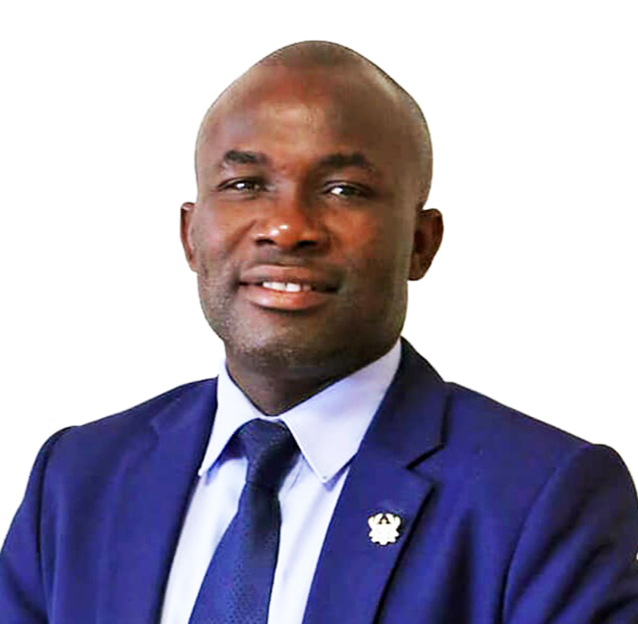
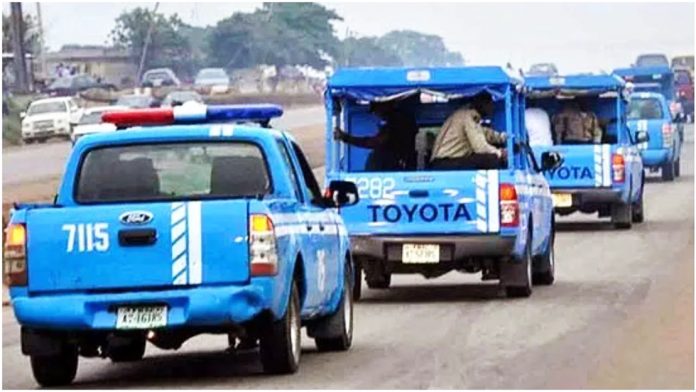
A member of the House of Representatives, Adedeji Dhikrullahi Olajide has advised the Federal Road Safety Corps, FRSC, to take urgent action to reduce accidents on Nigerian roads.
Olajide made this declaration while reacting to yesterday’s road accident that occurred in Ibadan, the Oyo State capital.
Olajide who represents Ibadan North West/Ibadan South West federal constituency at the National Assembly in his reaction, called on FRSC to take urgent action to address the ugly situation.
The lawmaker in a statement made available to DAILY POST on Wednesday through his Media Aide, Tolu Mustapha, decried the recklessness on Nigerian roads.
The lawmaker attributed the tragedy to a combination of factors, including over-speeding, dangerous driving and poor vehicle maintenance.
Olajide said, “This carnage is a stark reminder of the urgent need for all stakeholders to join hands in ensuring that our roads are safe for all users.
“We must take concrete steps to address the issues of speeding, dangerous driving, and poor vehicle maintenance, which are the major causes of these avoidable tragedies. My heart goes out to the families of the victims of this avoidable tragedy.
“I called on the Federal Road Safety Corps (FRSC) and other relevant agencies to intensify efforts to ensure that drivers adhere to traffic rules and regulations and also urged the Oyo State Government to fix the deplorable roads in the state, which was a major contributory factor to the accident”.
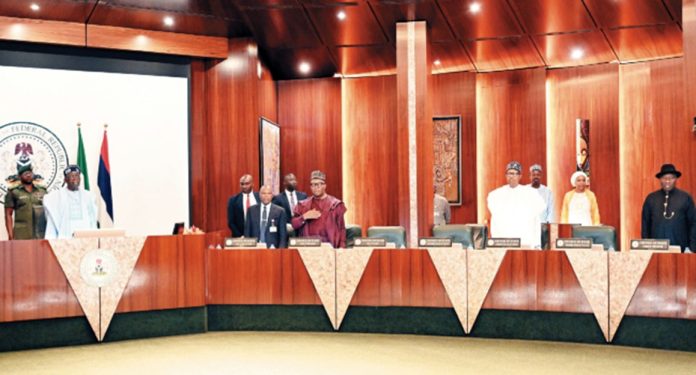
The National Council of State has insisted that any change in government in Nigeria must follow constitutional procedures. The council also passed a vote of confidence in President Bola Tinubu over his “achievements” in the last year since he assumed office.
The National Council of State reacting to the recent #EndBadGovernance Protests frowned upon the call by some sections of the protesters for the resignation of President Bola Tinubu.
Those who attended the meeting physically were former Presidents Goodluck Jonathan and Muhammadu Buhari, while former Heads of State, Generals Gowon Yakubu and Abdulsalami Abubakar joined the meeting virtually.
State governors, some deputy governors, Ministers, former Chief Justices of the Federation, the Secretary to the Government of the Federation, the National Security Adviser were among those who attended the meeting.
Briefing State House Correspondents shortly after the meeting, Governor Abdulrahman Abdulrasaq of Kwara State, said the Council commended the President for policy decisions he has taken since assuming office.
He said at a separate executive meeting between the Governors and President Tinubu after the National Council of State meeting, the governors also passed a vote of confidence in the President.
The Council received a report from the National Security Adviser, Nuhu Ribadu on the security situation in the country and a preliminary report on the recent protests.
The Minister of Solid Minerals, Dele Alake, who joined the Kwara State Governor Abdulrahman Abdulrasaq to brief State House Correspondents after the council meeting said the protests was viewed as a disguised attempt at disrupting the activities of the current administration.
“The council thanked Nigerians at large for resisting any unconstitutional move to change government,” Alake said.
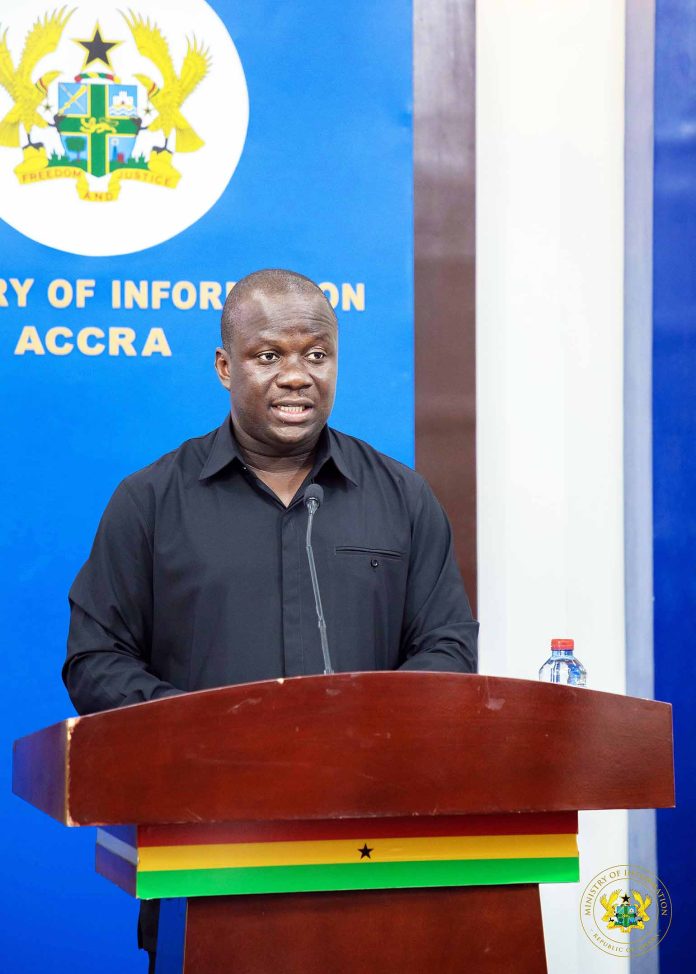
Mr. Samuel Jinapor, Minister for Lands and Natural Resources addressing the media
On behalf of the Ministry of Lands and Natural Resources, I thank, most sincerely, the Ministry of Information and its hardworking and ever supportive Minister, Hon. Fatimatu Abubakar, for giving us this platform to update the Ghanaian people on the state of Ghana’s public lands. This forms part of our efforts to regularly update the nation on the management and utilisation of the lands and natural resources of our country.
You will recall that not too long ago, at this same venue, I led the three main Commissions under the Ministry of Lands and Natural Resources, namely, the Lands, Minerals and Forestry Commissions, to brief the nation, through this very medium, on the various programmes and policies that were being implemented to effectively and efficiently manage our lands and natural resources.
This was followed by specific Press Briefings on the management of our mineral resources, and the state of Ghana’s forests. And today, we turn our attention to land, and particularly, the protection and management of our public lands.
Fatimatu Abubakar, Minister for Information ddressing the media
We do this because the public lands and natural resources of our country are, by virtue of our national Constitution, the property of the people of Ghana, vested in the President of the Republic, for and on behalf of the Ghanaian people. As trustees of these resources, we have a duty to account to you, the beneficiaries of these resources, which is why we undertake these regular exercises.
We are extremely grateful to you, the media, for always responding to our invitation and carrying our message to the country. It is our hope that you will once again carry today’s exercise to the length and breadth of our country, and help dispel some of the misinformation that have been put out in the public.
Distinguished Guests, Ladies and Gentlemen, issues of land in our country evokes a lot of emotions, and rightly so, because most of these lands were acquired by families, stools, skins and clans through the toil and blood of our ancestors. And that is why when the colonial Government attempted to vest lands in our country in the British Crown, our forebears, championed by John Mensah Sarbah and the Aborigines’ Rights Protection Society, fiercely fought to reject the law.
Today, unlike most of our compatriots on the continent, lands in our country are, largely, owned by these stools, skins, clans and families. Over the years, however, Governments have acquired some of these lands either by purchase, lease, gift, compulsory acquisition, vesting or through some other modes. These are the lands referred to as public lands which Government has direct control over.
Just as Governments have been acquiring lands, since the inception of our Republic, every Government has granted some of these public lands to private entities for various developmental purposes. Unfortunately, some people have packaged some of these lands which were granted to private developers decades ago and presented them as evidence of what they have termed “State Capture.”
The Ministry has had to issue Press Statements to correct some of these misinformation. However, given that this platform has a wider reach and audience, it is important to reiterate some of these issues which we have already issued statements on.
One of such lands is the land which hosted the Bulgarian Embassy. This land forms part of a larger parcel of land acquired by the State in 1920 by a Certificate of Title dated 6th July 1920. The land was however granted to one Theophilus Kofi Leighton as far back as 1977, for a term of 99 years commencing from 1st April 1974. This Lease will expire in the year 2073. Until then, Government has no direct control over the use of the land.
After building on the land, the said Mr. Leighton entered into a private contract with the Bulgarian Embassy and rented the house to the Embassy for short-term periods, before granting them a fifty-year sublease. However, by a letter dated 5th November, 1990, the then Ministry of Foreign Affairs declared the sublease to the Bulgarian Embassy as void.
Events following this declaration resulted in series of litigations, some of which are still pending in our courts. According to the Sole Inquirer appointed to investigate the demolishing of the building, it was demolished by one Jojo Hagan, said to be the Executor of the Will of Mr. Leighton, pursuant to a court order.
As previously stated, the Government of Ghana played no role in the transaction between Mr. Leighton and the Bulgarian Embassy, nor was it party to the contract or the demolishing exercise. Government, however, decided to intervene in the matter due to the involvement of the Bulgarian Embassy which is an accredited diplomatic mission in the country.
The Ministry of Lands and Natural Resources and the Ministry of Foreign Affairs and Regional Integration have engaged the parties involved extensively and have agreed on some compensation for the Bulgarian Embassy which will be paid by those who undertook the demolishing exercise.
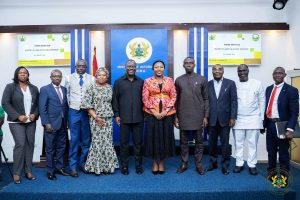
Dignitaries present in a group photo
For the avoidance of doubt, this compensation will not be paid by the Government of Ghana. Government will, however, continue to engage the parties until the matter is fully resolved. Ladies and Gentlemen, how is this evidence of State capture?
Then there is the issue of a land belonging to the Prisons Service at Roman Ridge, which was leased as far back as 2005, and which matter has gone to court and the court has delivered judgment on the matter. What is the role of the Akufo-Addo/Bawumia Government in a land granted to a private developer as far back as 2005?
Another allegation that has been made as evidence of state capture by this Government is the Parks and Gardens land at Cantonments. This land was acquired in 1894 and granted to the predecessor of the Department of Parks of Gardens in 1952. The land was, however, leased to Wontirim Company Limited on 29th November, 2016, long before the current Government came to power. And those who were in power when the land was leased in 2016 have turned around to falsely accuse the Akufo-Addo/Bawumia Government of selling this land.
Indeed, the lease was made pursuant to a request from the then Ministry of Local Government and Rural Development, dated 16th August, 2012, under the hand of its then Deputy Minister, Hon. Elvis Afriyie Ankrah, to sell two (2) acres of the land “to enable [the Department of Parks and Gardens] raise the needed funding to resource itself.” According to the then Deputy Minister, “proceeds from the sale shall be used to provide Parks and Gardens with a new office, staff bus, some tractors, water tankers and the needed hand tools it is currently in dire need of, to restructure and reposition itself as a viable government agency.”
And yet, even though the land was leased in 2016, in accordance with the Minister’s request, we haven’t seen the new office complex of the Department of Parks and Gardens, the water tankers, the tractors, and all the other things that the proceeds of the sale were supposed to be used for.
Again, there are allegations that this Government has sold some bungalows belonging to the Judicial Service in Cantonments to the private developers. These bungalows in question, were, however, sold as far back as 13th July, 2015 to Frimps Oil Company Ltd., following an approval granted by the then Minister for Lands and Natural Resources, Hon. Nii Osah Mills, on 2nd June, 2015. Is it, therefore, not surprising that the very people who supervised the sale of this property to Frimps Oil Company Ltd. will turn around and accuse the Akufo-Addo/Bawumia Government of state capture?
For the Du Bois Centre, as we explained in the Press Release of 16th July, 2024, the Lands Commission, the manager of public lands and the repository of records of land transactions, has no pending application for the transfer of this land. The land, as we speak, remains in the name of the Du Bois Centre.
Ladies and Gentlemen, the above examples clearly show that the allegations of state capture and the narrative that this Government is indiscriminately selling public lands, are all palpably false, without merit, and, obviously, actuated by political considerations given that we are nearing elections.
Indeed, the evidence shows that the Akufo-Addo/Bawumia Government has been meticulous in protecting public lands in the public interest. On 17th August, 2021, with the approval of the President of the Republic, a policy directive was issued to the Lands Commission, pursuant to article 258(2) of the national Constitution to “refer all transactions relating to the grant of any interest in public land to [the office of the Minister] for prior approval.” This was to ensure that the President of the Republic, in whom these lands are vested, discharges his constitutional duty in an informed manner.
The directive, further, stated that “Any deed executed without the approval of the President through the Minister for Lands and Natural Resources would be deemed void as same would have been done without the authority of the President in whom these lands are vested.”
In Northern Region, for example, the Regional Lands Commission has been directed to reverse a number of leases over public lands granted to private developers without the prior approval of the President of the Republic, in accordance with this Policy Directive. This followed a Report of a three-member Committee the Ministry constituted to investigate allegations of transfer of public lands in the Region. This is a testament to our unwavering commitment to protect public lands in the public interest.
Apart from the above Directive to the Lands Commission, a series of letters have been written to all public institutions to utilise public lands granted them for the purposes for which they were granted only, and not to create any third-party interest in such lands without the express prior approval of the President of the Republic, given through his Minister responsible for Lands.
Just a couple of weeks ago, Cabinet issued further Directive to all public bodies, public institutions and public corporations (including public universities) not to lease, sublet, assign, transfer, dispose of, or otherwise create any third party interest in any public land granted or allocated them without the prior written approval of the President of the Republic.
This Directive, which was subsequently published in the Dailies on Thursday, August 8, 2024, applies to all public lands that have been granted to public institutions, whether by way of freehold, leasehold or any other form of grant.
The days of public institutions entering into public private partnership agreements with public lands without the approval of the President are obviously over, and any person who enters into any such transaction, does so at his/her own risk. All these measures have been put in place to ensure the protection of public lands and to regulate their utilisation.
Aside these preventive measures, pursuant to section 236 of the Land Act, 2020 (Act 1036), which enjoins the State to take steps to recover encroached public lands, the Ministry constituted a Public Lands Protection Team to work with the Lands Commission to protect public lands from encroachment, and recover those that have already been encroached.
The Team, in collaboration with the Lands Commission and the Ghana Police Service, has undertaken a number of operations to recover encroached public lands. The Commission is, also, working with the Ghana Police Service to provide protection for all public lands and prevent them from further encroachment.
We have, also, engaged Ministries Departments and Agencies (MDAs), as well as Metropolitan, Municipal and District Assemblies (MMDAs), to take steps to protect lands acquired for their use, or which fall within the jurisdiction of the Assemblies, in accordance with section 236 of Act 1036.
Distinguished Guests, Ladies and Gentlemen, there is, also, the issue of the State returning lands to preacquisition owners. Let me use this opportunity to make a very important distinction between article 20(6) of our national Constitution, which requires that the State give pre-acquisition owners the first right to acquire compulsorily acquired land when the State no longer has a need for the land, and instances where the State returns portions of compulsorily acquired lands to preacquisition owners in lieu of compensation or some other consideration.
Dignitaries and participants present at the briefing in a picture
As the Supreme Court explained in Kpobi Tetteh Tsuru III v Attorney General [2010] SCGLR 904, article 20 has a futuristic intention, and does not apply to lands acquired by the State prior to the coming into force of the Constitution. However, since the colonial era, from the Public Lands Ordinance of 1876, through State Property and Contracts Act, 1960 (C.A. 4) to the State Lands Act, 1962 (Act 125), the existing law before the coming into force of the Constitution, the State has always been enjoined to pay compensation for the acquisition of any land.
At all material times prior to the coming into force of the Constitution, therefore, Government was under an obligation to pay compensation for any land compulsorily acquired by the State. In some cases, however, no compensation was paid for the acquisition of these lands.
When Government receives a petition for the release of some of these lands, the petition is examined on its own merits, through series of assessments evaluations and negotiations. Indeed, some of these petitions and negotiations transcends different Governments.
For example, in respect of the Kumasi Sector 18 lands, the Cabinet of President John Dramnani Mahama first approved the Redevelopment Scheme on 1st September, 2016, and authorised the return of fifty percent (50%) of the land affected by the Redevelopment to the Golden Stool in lieu of compensation, which culminated in the publication of the State Lands (Kumasi Sector 18 Redevelopment Project) Instrument, 2021 (E.I. 432).
Suffice to say, Ladies and Gentlemen, that this is not the first time Government has released lands to preacquisition owners.
By E.I. 8 of 2004, Government released some 360 acres of Nungua Otinshie lands, acquired in 1978 for the Centre for Scientific and Industrial Research (CSIR) to the preacquisition owners;
By E.I 15 of 2009, Government released ninety-nine acres (99 acres) of the Adentan land acquired in 1968 for West African Secondary School to the preacquisition owners;
By E.I. 16 of 2009, Government released one hundred and fourteen point zero five five acres (114.055 acres) of the Accra Mpehuasem land acquired in 1974 for the Accra Training College to the preacquisition owners;
By a lease made in 2009, Government released nine hundred and seventy-four point five-three acres (974.53 acres) of the Nungua lands acquired in 1940 for Livestock Farm to the preacquisition owners; and
By E.I. 17 of 8th November, 2012, Government released almost two hundred and fifty acres (250 acres) of the Madina land acquired in 1977 for the Department of Social Welfare to the preacquisition owners.
This list, obviously, is not exhaustive, but only seeks to demonstrate that it is not novel for Government to release public lands to preacquisition owners for one reason or the other. What is important in all these considerations, is the public interest.
Distinguished Guests, while protecting existing public lands, Government has, also, been acquiring additional lands to increase the public land estate of our country to meet our developmental needs, including the thirteen thousand two hundred thirty (13,230)-acre land at Afienya Dawhenya for Industrial Enclave and Urban Development, the five hundred and nine (509)-acre land between Afienya and New Akrade for railway development, and the two hundred and thirty-seven (237)-acre land in Tamale for the University for Development Studies, all acquired in 2018.
Several Schemes are being implemented in Kumasi Sector 18, which comprises of Ridge, Danyame and Nhyiaeso Residential areas, Old Tamale Airport, and Cape Coast Ridge Sectors 1, 2 and 3 Residential Areas.
We are, also, aggressively pursuing a digitalisation programme to digitise the records, including legacy records, of the Lands Commission to promote expeditious land service delivery across the country. Since the introduction of the Enterprise Land Information System (ELIS), the Lands Commission has been vigorous in ensuring seamless migration of manual operations unto the system. And today, selected services of the Commission, such as consolidated searches, stamp duty assessment and payment, plan approval, among others, can be done online from the comfort of your homes.
The Commission, in collaboration with the Ghana Association of Bankers (GAB), has, also, introduced an online portal for banking institutions to assess its services digitally from their offices.
Additionally, the six regional offices of the six new Regions, namely, Ahafo, Bono East, North East, Oti, Savannah, and Western North, operate fully digital. And we are in the final stages of engaging a private partner to work with the Commission to deliver a holistic digitalisation of land services, which will ensure that the Lands Commission and all its Regional Offices, operate fully digital.
Hon. Minister, Friends from the Media, Distinguished Guests, Ladies and Gentlemen, a lot has been achieved within this short period that the Akufo-Addo/Bawumia Government has been in power. But today, the assurance I want to give you, which is evidence from the data we have put out, is that the public lands of our country are safe, and Government is working to protect them while ensuring their judicious use.
The people who sold some of our public lands, which has resulted in some misunderstanding with some public institutions, have turned around to accuse this Government of the very acts they perpetrated. Fortunately, the records are still intact, and we know who sold these lands which have been repackaged as evidence of state capture.
In the spirit of transparency, the President of the Republic, H.E. Nana Addo Dankwa Akufo-Addo, has directed the compilation of a list of all public lands that have been transferred since the inception of the Fourth Republic on 7th January, 1993. A dedicated team of men and women at the Lands Commission are working to put together this list, the details of which would be made known once the exercise is complete.
Let me hasten to add, that the grant of public lands for development, in and of itself, is not wrong. As population grows, with competing needs for land, it becomes necessary to change the use of some of these lands to meet the developmental needs of the nation. For instance, the Labone and South Labone Estates were originally acquired in 1902 for coconut plantation, but had to be given to the State Housing Company to develop into a residential area. The lands at Borteyman, which now hosts the Borteyman Estates, Sports Complex and Aquatic Centre were acquired for livestock farm in 1940. Airport Residential Area, as well as portions of Airport West and East Legon, were originally acquired for aerodrome services, but have been developed into one of the prime areas of our capital city. Cantonments and Switchback residential areas, Parts of Roman Ridge, Dzorwulu and Achimota Residential Area, are just a few of such examples.
Indeed, in the case of Kpobi Tsuru III v Attorney-General [2010] SCGLR 904, Dotse JSC, after citing some examples like the Accra Race Course land which was converted for use as the Accra International Conference Centre, and the Makola No. 2 Market which was converted into a modern car park, concluded that:
“Once the use to which the land is to be put is not restricted to any personal or individual interest, but one to which the general public will have a benefit or the benefit of the project will inure to the entire country either directly or indirectly, the public interest purpose will be deemed to have been adequately catered for.”
The overarching question should, thus, be, what use was the land put to?
Distinguished Guests, Ladies and Gentlemen, as managers of public lands, we are not oblivious of our fiduciary duties to the people of Ghana, and under the able and understanding leadership of President Akufo-Addo and Vice President Dr. Bawumia, we will continue to discharge these duties transparently, anchored on the highest standards of integrity, candour, and utmost good faith, to ensure the protection and the judicious use of public lands in the public interest, and for the ultimate benefit of the people of Ghana, the true owners of these lands.
The International Human Rights Commission (IHRC) on Tuesday, August 13, 2024, rallied Ghanaian youth to lead the fight against HIV for a secured and sustainable future.
The action of the IHRC, which took place at the Aburi Girls Senior High School, was in solidarity with the youth on the occasion of International Youth Day.
They used the occasion to champion UNFPA-sponsored HIV prevention among the young people. It was led by the Miss Malaika 2023 Beauty Queen, Lady Nana Yaa Nsarko, whose ‘Live On Campaign’ project is resonating with the youth and impacting lives.
This significant event was held in conjunction with the National AIDS/STI Control Programme of the Ghana Health Service (GHS) and ABBOTT, co-sponsors of the Miss Malaika 2023 HIV Prevention Project.
The event was part of the campaign commemorating 20 years since the introduction of antiretroviral therapy (ART) in Ghana.
The event also served as an induction ceremony for the newly elected executives of the Ghana UN Students Youth Association.
It was graced by high-profile attendees, including His Excellency Dr. Muhammad Shahih Amin Khan, World Chairman of the IHRC; His Excellency Ambassador Zein Abu, Senior Vice Chairman of the IHRC; Her Excellency Ambassador Kaoutar Agzaou, Vice Chairperson for Women Affairs at the IHRC; Dr. Chief Nat Nsarko, Director General of IHRC Africa; and Dr. Stephen Ayisi Addo, Programme Manager of the National AIDS/STI Control Program of the Ghana Health Service.
Delivering the keynote address, His Excellency, Dr. Muhammad Shahih Amin Khan, echoed the sentiments of compassion and technological empowerment, urging the youth to be accommodating.
“We must embrace persons living with HIV with love and understanding. In this digital age, it is crucial for the youth to leverage technological advancements to drive deeper change,” he said.
Ambassador Zein Abu, on his part, underscored the critical importance of investing in the youth and nurturing them into positions of influence.
“Our future lies in the hands of the youth. It is imperative that we not only equip them with the necessary tools but also provide them with the mentorship they need to thrive in a rapidly evolving world,” he said.
Her Excellency Ambassador Kaoutar Agzaou, Vice Chairperson for Women Affairs at IHRC, urged the young women present to pursue their education with determination and strive to become responsible leaders and advocates. “Your education is your most powerful weapon,” she stated, adding that “with it, you can shape a future where you are not only leaders but also champions for those who cannot speak for themselves.”
Dr. Chief Nat Nsarko, Director General of IHRC Africa, reinforced the message of self-discipline, cautioning the youth against engaging in activities that could derail their progress. “Your potential is immense, but it can be squandered if you do not make wise choices,” Dr. Nsarko warned.
Adding a vital perspective on HIV awareness, Dr. Stephen Ayisi Addo, Programme Manager of the National AIDS/STI Control Programme, encouraged the students to get tested and stay informed about their status. “HIV is no longer a death sentence if you know your status and receive the appropriate treatment,” Dr. Addo said.
He also reminded the audience that HIV is not solely transmitted through sexual contact, highlighting the risks associated with sharing infected sharp objects.
“Stigmatising those living with HIV is not only unfair but also counterproductive to our collective efforts in combating this disease,” he emphasised.
The event was further enlivened by a drama performance by the students of Aburi Girls Senior High School, which poignantly depicted their experiences and understanding of HIV and its impact on their lives.
Ghana’s consumer inflation has continued its downward trajectory, dropping to 20.9% year-on-year in July, marking the fourth consecutive month of decline.
The drop represents a 1.9 percentage point drop from June’s 22.8% signalling a gradual easing of the economic pressures that intensified throughout 2023.
In July, food inflation stood at 21.5%, while non-food inflation was slightly lower at 20.5%. Interestingly, the inflation rate for imported items was recorded at 15.6%, significantly lower than the 23.3% observed for locally produced goods.
This sustained decline in inflation, which began in April 2024, indicates a steady cooling of price growth.
Over the past four months, the consistent drop in inflation has brought some relief to consumers and businesses alike, after a period of heightened economic strain.
On a month-to-month basis, the pace of inflation growth also slowed, with a 2.1% increase from June to July 2024, down from 3.2% in May. This two-month trend suggests that the inflationary pressures are beginning to ease.
Year-on-year data shows a significant reduction in food inflation, which is now approximately 2.4 times lower than in August 2023. However, food prices remain slightly higher than those of non-food items.
Additionally, the disparity between inflation rates for locally produced and imported goods is notable. Locally produced goods experienced a higher inflation rate of 23.3%, compared to 15.6% for imported items.
Government Statistician, Professor Samuel Kobina Annim, attributed the overall decline in inflation to decreases in both food and non-food categories, emphasizing the broader impact of these reductions on the economy.
Emmanuel Aboagye-Wiafe, the host of Energy 101 on Asaase 99.5 Accra, has won the Energy Media Personality of the Year prize for the second time at the 2024 Think Energy SDG Awards.
Aboagye-Wiafe was adjudged the Energy Media Personality of the Year at the just-ended 2024 Think Energy SDG Awards held in Akosombo last Saturday (10 August).
This is the second time that the broadcaster has won the award, making him the only person to have accomplished such a feat.
Aboagye-Wiafe, the host of the Energy 101 programme on Asaase 99.5 in Accra, has received multiple energy awards, solidifying his prominent role in energy reporting across Africa.
He won the 2023 edition of the Think Energy SDG Award, as well as honours at the Ghana Energy Awards 2023 and an international award for nuclear reporting by Rosatom.
In addition, he has earned nominations for the Ghana Energy Awards 2024 and the 2024 Chartered Institute of Marketing Ghana Awards under the Radio Programme of the Year category.
The nominations for this year’s Energy Media Personality Award featured some distinguished media figures, including Kwame Sefa Kayi of Peace FM, Bernard Avle of Citi FM, Kojo Yankson of Joy FM and television presenter Nana Yaa Brefo.
Speaking after the award, Aboagye-Wiafe said, “I’m very, very happy that we’ve won the Think Energy SDG awards once again, for the second time running.I just want to thank God so much for the wisdom and sense of inspiration to lead this programme and I also want to congratulate my team members because it was a joint win. Like I always say, they helped in various ways to make this show successful.”
“I thank management, too, for their efforts to help me succeed always. And I thank the chairman of Asaase, Gabby Otchere-Darko, who designed Energy 101 programme for me to host,” he added.
About Energy 101
Energy 101 is a one-hour show, which is held every Monday evening from 7pm to 8pm on Asaase 99.5 Accra and its social media handles. The program covers three segments: a summary of key energy news from the past week, in-depth analysis of industry trends with insights from experts, and an exclusive interview segment featuring conversations with key industry insiders on current developments and trends.
Energy 101 airs every Monday from 7pm to 8pm on Asaase 99.5, Accra and its social media platforms. The programme features a weekly summary of key energy news, in-depth analysis of industry trends with expert insights, and exclusive interviews with industry insiders.
The host of the programme is a highly acclaimed journalist who has won multiple awards, including the Think Energy SDG Awards in June 2023 and 2024, and the Ghana Energy Awards in November 2023. He was also invited to Russia in 2023, where he was honored as the Best Energy Reporter in Nuclear Energy.
A touch of excellence
The show provides a valuable platform for sponsors and advertisers to reach a highly engaged audience within the energy sector.
With a focus on innovation and industry expertise, Energy 101 offers a strategic opportunity to showcase products and services, enhance brand visibility, and connect with decision-makers and professionals in the field. Advertising on the programme positions your brand as a leader and ensures your message resonates with a targeted and influential audience.
Sponsors and advertisers have the unique opportunity to align their brand with trusted content, gaining visibility among a discerning audience that values innovation, sustainability, and industry expertise. Whether you’re promoting cutting-edge technology, energy solutions, or related products, the program provides a strategic avenue to reach potential clients and partners.
By advertising on the show, you not only enhance brand recognition but also position your company as a leader in the industry. The programme’s wide reach and reputation for delivering quality content ensure that your message will resonate with those who matter most to your business.
Prof. Peter Twumasi, of the Department of Biochemistry and Biotechnology, at the Kwame Nkrumah University of Science and Technology (KNUST), in Kumasi, has said it is only the Free Senior High School policy that has touched all households in Ghana.
“Of all Ghana’s constitutionally mandated and equitable distribution of government services to the citizenry, it is only the FREE SHS policy that has touched all households in rural areas and cities alike,” he said.
The former Director-General of the National Sports Authority emphasised that “this educational transformation of the citizenry has never happened since the birth of Ghana in 1957.”
Potential SHS students
Writing under the heading, “free education up to university in Ghana: NPP & NDC convergence policy”, Prof. Twumasi said in the past, Ghanaians who through no fault of theirs, but happen to be residents in rural communities or born into poor families, automatically became excluded from education, resulting in the loss of talents through such unfair policies.
He noted, however, that the story is different today because the Nana Addo Dankwa Akufo-Addo-led government’s Free SHS policy has made it possible for almost every household in farming communities to pride themselves on SHS graduates, culminating in many reaching university level for the first time over generations.
A believer that knowledge is power, Prof. Twumasi noted that the best way ever to invest the nation’s resources is through education.
He has commended both the New Patriotic Party (NPP) and the National Democratic Congress (NDC) for agreeing to unite around education to give every Ghanaian free education up to the university level, stressing that “it is indeed possible if we bind our strength together and go on this great path of national transformation.”
According to him, the best ever policy brought up for discussion by the NDC, prior to the 2024 general election, is their intent to make education free up to the university level and commended party leadership, and also encouraged them to be bold to make it free for the entire duration of the public university education (not only at the first year).
Prof. Twumasi noted that while others may worry about the cost, with some also worrying about the availability of infrastructural and human resources, he believes that “where there is a will, there is a way.”
He is looking forward to seeing Ahafo Ano South West District (Mankranso), his home district, standing for equal education for rural and urban dwellers up to the university level from investment from the district’s contribution of cocoa, timber and gold to the national kitty.
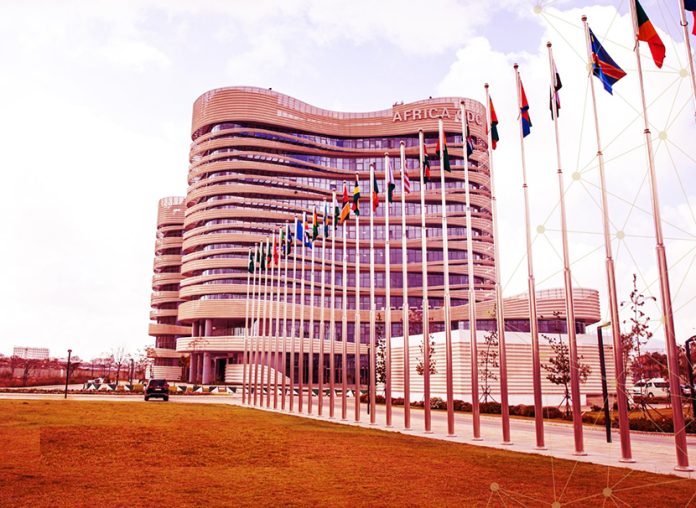
The Africa Centres for Disease Control and Prevention (Africa CDC) has officially declared the ongoing Mpox outbreak a Public Health Emergency of Continental Security (PHECS), marking the first such declaration by the agency since its inception in 2017.
This declaration, under Article 3, Paragraph F of the Africa CDC Statutes, empowers the organization to lead and coordinate responses to significant health emergencies.
The statute mandates Africa CDC to “coordinate and support Member States in health emergency responses, particularly those declared PHECS or Public Health Emergency of International Concern (PHEIC), as well as health promotion and disease prevention through health systems strengthening, addressing communicable and non-communicable diseases, environmental health, and Neglected Tropical Diseases.”
The declaration will enable the mobilization of resources across affected countries, unlocking essential funding, strengthening Risk Communication and Community Engagement (RCCE), boosting surveillance and laboratory testing efforts, and enhancing human resource capacities to respond effectively to Mpox through a One Health approach.
Africa CDC Director General Dr. Jean Kaseya emphasized the urgency of swift and decisive action: “Today, we declare this PHECS to mobilize our institutions, our collective will, and our resources to act—swiftly and decisively.
This empowers us to forge new partnerships, strengthen our health systems, educate our communities, and deliver life-saving interventions where they are needed most. There is no need for travel restrictions at this time.”
At least 13 African countries, including previously unaffected nations like Burundi, Kenya, Rwanda, and Uganda, have reported Mpox outbreaks. So far in 2024, these countries have confirmed 2,863 cases and 517 deaths, primarily in the Democratic Republic of the Congo (DRC).
Suspected cases across the continent have surged past 17,000, a significant increase from 7,146 cases in 2022 and 14,957 cases in 2023. This is just the tip of the iceberg when we consider the many weaknesses in surveillance, laboratory testing and contact tracing.
Dr. Kaseya underscored the gravity of the situation stating “This is not just another challenge; it’s a crisis that demands our collective action. Article 3, Paragraph F of the Africa CDC Statutes mandates us to lead and coordinate the response when there is a declaration of a public health emergency of international concern.”
From May 2022 to July 2023, Mpox was declared a Public Health Emergency of International Concern (PHEIC) by the WHO.
However, Africa did not receive the support it urgently needed during this period. As global cases began to decline, the escalating numbers in Africa were largely ignored. Dr. Kaseya emphasized the need for a change in approach: “We urge our international partners to seize this moment to act differently and collaborate closely with Africa CDC to provide the necessary support to our Member States.”
He continued, appealing to global partners: “We call on you to stand with us in this critical hour. Africa has long been on the frontlines in the fight against infectious diseases, often with limited resources. The battle against Mpox demands a global response. We need your support, expertise, and solidarity. The world cannot afford to turn a blind eye to this crisis.”
He explained that the emergency declaration follows wide consultations, including a unanimous decision by the Africa CDC Emergency Consultative Group (ECG), chaired by Professor Salim Abdool Karim, head of CAPRISA, an AIDS research program based in Durban, South Africa.
Prof. Karim highlighted that limited surveillance and evidence suggest the situation could be more severe than currently understood.
“The number of cases has significantly increased compared to 2022 when WHO declared Mpox a public health emergency. It’s clear that we’re facing a different scenario with far more cases, resulting in a higher burden of illness,” he said. He also raised concerns about the rising fatalities, particularly the potential link between HIV and Mpox. “Our concern is that we may be seeing more fatalities in Africa due to the association with HIV,” he noted.
Cross-border transmission to previously unaffected countries was also a concern, prompting the ECG to urge the strategic distribution of the limited vaccines available. The lack of diagnostic capabilities was identified as a critical issue requiring urgent attention, and the ECG encouraged the development of response plans, promising to provide input and support.
To address the Mpox outbreak in Africa, Africa CDC has set up a 25-member Incident Management Team based at the epicenter of the Mpox epidemic with mandate to support affected and at-risk countries.
Africa CDC has also signed a partnership agreement with the European Commission’s Health Emergency Preparedness and Response Authority (HERA) and Bavarian Nordic to provide over 215,000 doses of the MVA-BN® vaccine—the only FDA and EMA-approved Mpox vaccine. Africa CDC will oversee the equitable distribution of these vaccines, prioritizing local needs across the affected Member States.
Mpox Symptoms, Prevention, and Treatment
Mpox is a viral illness caused by the monkeypox virus, with two distinct clades: Clade I and Clade II. Common symptoms include a skin rash or mucosal lesions lasting 2–4 weeks, fever, headache, muscle aches, back pain, low energy, and swollen lymph nodes. The virus can be transmitted to humans through physical contact with an infectious person, contaminated materials, or infected animals.
Akon’s eponymous city project, envisioned as a $6 billion futuristic metropolis in Senegal, now faces a critical ultimatum.
The Senegalese government issued an ultimatum to the singer-entrepreneur to commence substantial construction work or risk losing the majority of the land allocated for the project.
Akon’s father was born in Senegal and Akon spent a lot of time there as a child.
In 2020, the ‘Locked Up’Singer announced plans to build Akon City, a high-tech, eco-friendly urban center inspired by Wakanda from Marvel’s Black Panther.
The Senegalese government granted him 136 acres on the Atlantic Coast to develop the city. The project promised to feature condominiums, amusement parks, a seaside resort, hospitals, a police station, a university, and infrastructure powered by solar energy and Akoin cryptocurrency.
The goal was to transform the rural area 60 miles south of Dakar into a modern, vibrant city that would attract businesses, create jobs, and boost the local economy. However, four years later, the site remains undeveloped, with only a single arched concrete block marking the project’s foundation. As of now, the construction site is primarily used for grazing livestock, with no significant progress in sight.
Sapco-Senegal, the state-owned entity responsible for coastal and tourism development, has issued a formal notice to Akon, demanding the commencement of construction or the risk of losing 90 percent of the land, according to Bloomberg.
The notice comes after Akon missed several payments to Sapco, raising concerns about the project’s financial viability, Bloomberg reported, citing people familiar with the project.
In addition to the luxurious amenities, Akon City was touted as a green city, with solar power and the Akoin cryptocurrency as its economic backbone.
Akoin’s value has plummeted since its launch, further complicating the project’s prospects. The Biget crypto sank to $0.003 in value in December. This is it’s last available price.
Local leaders and residents, who initially welcomed the project with hopes of economic upliftment and modern infrastructure, are now expressing skepticism.
Village chief Diome, once a staunch supporter, now voices doubts about the project’s future. Bloomberg reported that while Diome had hoped Akon would transform his community but told the paper, “We’re still waiting.”
Lawmaker Bara Gaye told parliament in February 2023, “Akon City is a scandal,” according to Bloomberg.
Officials in Spain are investigating singer Katy Perry, for allegedly filming a music video in ecologically-sensitive dunes in the Balearic Islands without permission.
The video for her latest single Lifestimes shows the singer enjoying beaches and partying in clubs on the islands of Ibiza and Formentera.
Scenes believed to have been filmed in the middle of the protected dunes on the isle of S’Espalmador in Formentera have raised concern.
A statement from the Spanish government alleged that the production company responsible for the video had not sought permission. Katy Perry has not commented.
Officials stressed that Katy Perry was not under investigation for what it called “crimes against the environment”, as filming can be authorised in the area.
The environment department of the Balearic Islands issued a press release on Tuesday, claiming that the video’s production company did not secure the necessary authorisation before filming.
As a result, their release said, “preliminary investigation actions have been initiated”.
The department drew attention to one section of the Natural Resources Management Plan, which states that “photographic, cinematographic or videographic” reports for an “advertising or commercial exhibition purpose” requires express authorisation of the ministry for the environment.
The video for Lifetimes includes shots of the dune system of S’Espalmador, one of the most ecologically rich areas of Formentera.
S’Espalmador is an is an uninhibited islet located to the north of Formentera, and is approximately 1.8 miles long.
It has been part of the Ses Salines de Ibiza and Formentera natural park since 1980.
The dunes on the small, privately owned island are of “great ecological value”, according to the regional government’s tourism website.

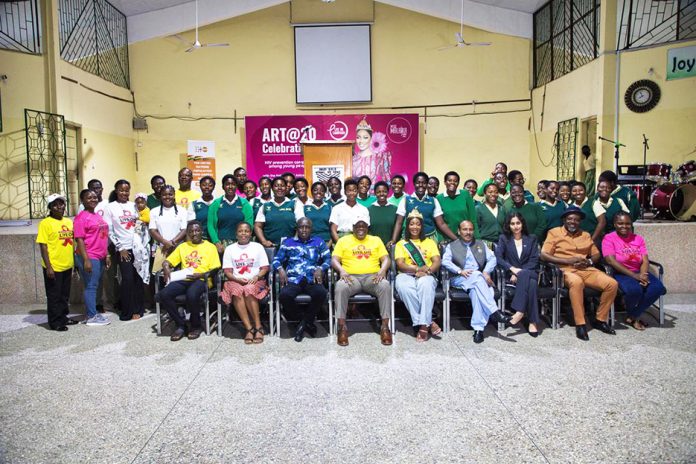
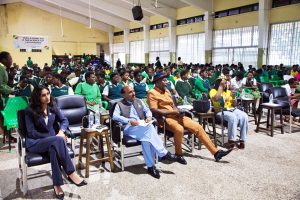 It was graced by high-profile attendees, including His Excellency Dr. Muhammad Shahih Amin Khan, World Chairman of the IHRC; His Excellency Ambassador Zein Abu, Senior Vice Chairman of the IHRC; Her Excellency Ambassador Kaoutar Agzaou, Vice Chairperson for Women Affairs at the IHRC; Dr. Chief Nat Nsarko, Director General of IHRC Africa; and Dr. Stephen Ayisi Addo, Programme Manager of the National AIDS/STI Control Program of the Ghana Health Service.