Home Blog Page 1295

Creatives to enjoy Travel Protocol Service – NPP promises 

0
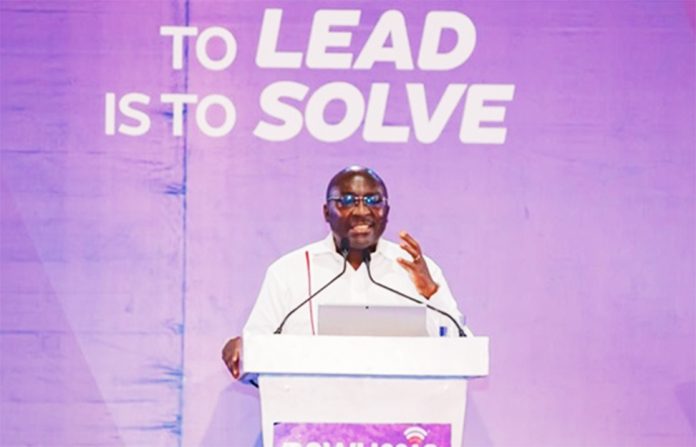
Dr Mahamudu Bawumia

The flagbearer of the New Patriotic Party (NPP), Dr. Mahamudu Bawumia revealed during the party’s manifesto launch in Takoradi on Sunday August 19, 2024 that, creatives in Ghana will enjoy special travel privileges under his presidency.

At the Ghana Secondary Technical School in Takoradi, the NPP highlights the need to give people in the Culture and Creative industries travel protocol service.

Dr. Bawumia mentioned that his government if elected will “establish a Travel Protocol Service (TPS) for the creative community, to enable artistes, performers, and other creatives, honour international performances and shows.”

The manifesto also reiterates some of the promises made earlier by their Presidential Candidate Dr. Mahamadu Bawumia during his lecture at the University of Professional Studies Accra (UPSA) on February 7, 2024.

They have promised to “use tax incentives, including a flat tax, to incentivise private sector investments in sports, tourism, and creative arts facilities” and to “implement an e-visa policy for all international visitors to Ghana, to make visa acquisition fast and convenient for visitors.”

They party also intends to “roll out a visa-free policy for all nationals of African and Caribbean countries visiting Ghana” and “establish, in partnership with the private sector, a streaming and digital management platform for Ghanaian content developers in the creative arts.”

In their 2020 manifesto, the New Patriotic Party (NPP) promised to “construct one of the biggest convention and exhibition centres in the world at the Ghana Trade Fair Company site, La and “set up the Creative Arts Fund to support artistes.”

It was also promised that “in addition to completing the theatre in Kumasi, we will construct new theatres in Takoradi and Tamale.”

In their quest to help promote the movie industry, they planned to provide recording studios for the music industry.

“Given that our artistes do not have the capital to set up studios, we will, as part of the entrepreneurial hubs strategy, establish, in partnership with the private sector, large recording studios in Accra, Kumasi, Tamale and Takoradi. Recording artistes can rent space to do their recordings in these studios,” they indicated in the manifesto.

Lastly, they intended to “build a digital platform for artistes to make their products available to the global market.”

Indian PM to visit Ukraine after Kyiv condemned him for hugging Putin

0
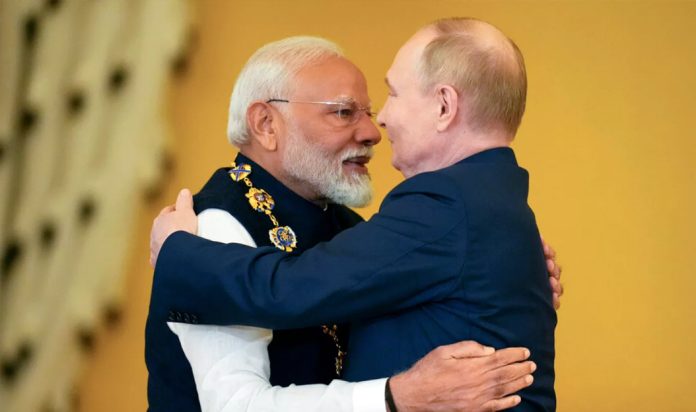
Indian PM hugging Putin

Indian Prime Minister Narendra Modi will travel to Ukraine, officials said Monday, weeks after he made his first trip to Moscow since Russia launched its full-scale invasion.

His forthcoming visit to Ukraine – also his first since the start of the war – comes at a crucial moment, as Kyiv’s troops push further into Russian territory in a shock military offensive that stunned even Kyiv’s closest allies.

Modi has repeatedly called for a ceasefire in Ukraine, without condemning Russia’s aerial campaign or denouncing the ground invasion. India has also abstained from all resolutions on Ukraine at the United Nations.

India remains heavily reliant on the Kremlin for its military equipment and has ramped up purchases of discounted Russian crude oil, giving Russian President Vladimir Putin’s nation a major financial lifeline as it faces isolation from the West.

Modi will visit Ukraine on August 23 at the invitation of Ukrainian President Volodymyr Zelensky, India’s Ministry of External Affairs announced Monday.

The secretary reiterated that India has “maintained a very clear and consistent position that diplomacy and dialogue can resolve this conflict.” She said that “lasting peace” can only be achieved through a negotiated settlement.

Modi’s trip will also include a visit to Poland on August 21-22 – the first by an Indian prime minister in 45 years, the ministry said.

Credit: cnn.com

Jailed Pakistan ex-PM applies to be Oxford chancellor

0
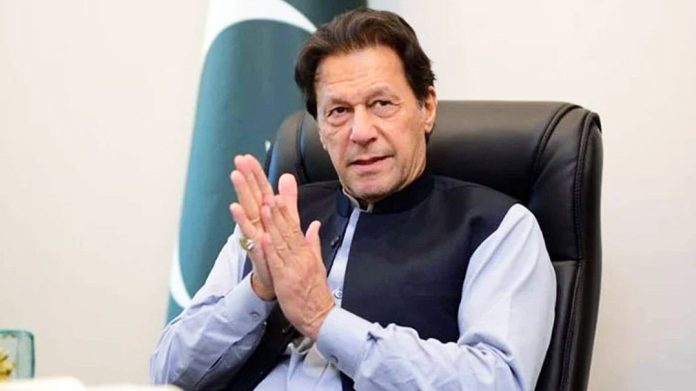
Pakistan ex-PM Imran Khan

Jailed former Pakistani Prime Minister Imran Khan has applied to become the next chancellor of Britain’s prestigious University of Oxford, his party says.

The Oxford alumnus “formally submitted” the request via Sayed Zulfikar Bukhari, the London-based spokesman for Khan’s Pakistan Tehreek-e-Insaf (PTI), the party said on the social media platform X.

“Despite being unlawfully incarcerated for over a year, Khan remains committed to his principles and the causes he champions,” the PTI post said on Sunday.

Speaking to the AFP news agency, Bukhari said: “Imran Khan had given instructions that he would like to submit his application and now the application scrutiny will take place.”

“It’s a ceremonial post but one with utmost prestige and importance, and Imran Khan, being one of the larger or more popular names coming out of Oxford, it would be brilliant to see him as chancellor,” he said.

“If he does become the chancellor, he would be the first of Asian descent. It wouldn’t be something only for Pakistan, but it would be a great achievement for all of Asia and the rest of the world,” Bukhari added.

Khan’s party’s announcement comes after Chris Patten, the last British governor of Hong Kong, announced in February that he would be stepping down as Oxford chancellor.

Khan graduated from the university in 1975 after studying philosophy, politics and economics.

Credit: aljazeera.com

Talks with Blinken ‘positive’, says Netanyahu

0
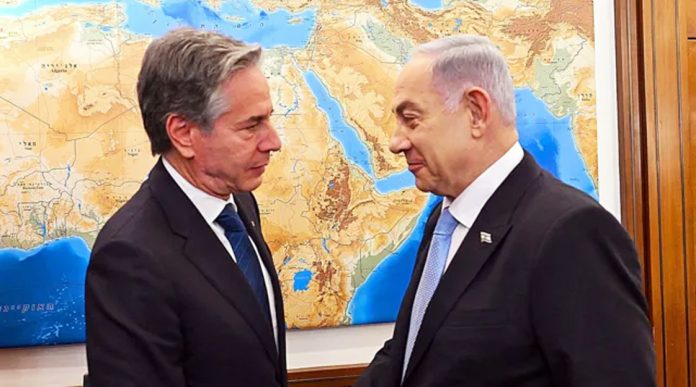
US Secretary of State, Anthony Blinken met with Israeli PM Benjamin Netanyahu

Benjamin Netanyahu has described his three-hour meeting with Antony Blinken as “positive” and says it was “conducted in good spirit”, with pressure for a ceasefire growing.

The US Secretary of State is making his ninth trip to the region since Israel’s war on Hamas began in October.

The US expressed optimism about a ceasefire deal after talks resumed in Doha last week.

However, Hamas has said suggestions of progress are an “illusion”, with a number of issues between the two sides still contested – including whether Israeli troops will be required to withdraw fully from Gaza.

Earlier that day Mr Blinken also met with Israel’s President Isaac Herzog and said it was “probably the best, maybe the last opportunity” to secure a ceasefire and hostage release deal in Gaza.

“We’re working to make sure that there is no escalation, that there are no provocations, that there are no actions that in any way could move us away from getting this deal over the line, or, for that matter, escalating the conflict to other places, and to greater intensity,” Mr Blinken said during his meeting with Mr Herzog.

He said it was “probably the best, maybe the last opportunity” to get the hostages released and achieve a ceasefire.

A statement from Mr Netanyahu’s office following his talks with Mr Biden said: “The prime minister reiterated Israel’s commitment to the latest American proposal regarding the release of our hostages – taking into account Israel’s security needs, which he insists on firmly.”

The current negotiations are based on a modified proposal presented by the US, aimed at bridging long-standing gaps between Israel and Hamas.

The Americans hope they can get the deal over the finish line perhaps as soon as this time next week.

But that level of optimism is not shared by the Israeli leadership or Hamas.

Each accuses the other of obstinate cynicism, and blocking a deal.

Credit: bbc.com

Belarus says Ukraine amassing troops at border amid incursion into Russia

0
Belarusian President Alexander Lukashenko

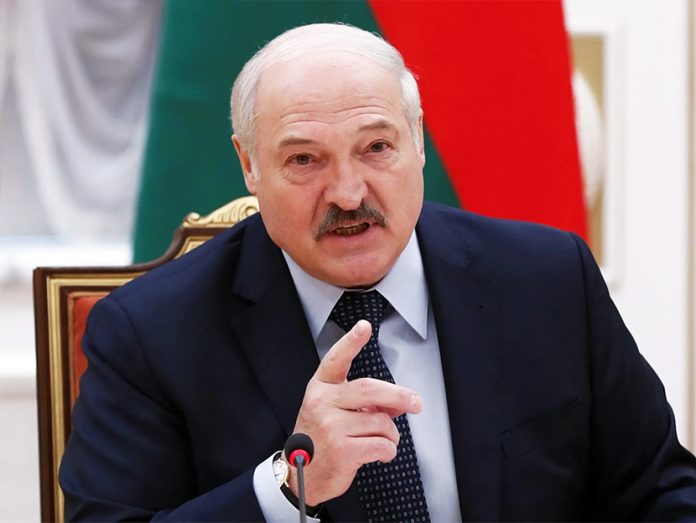
Belarusian President Alexander Lukashenko says Kyiv has stationed more than 120,000 soldiers along its border with Belarus, the country’s state news agency reported, as fighting continues amid Ukraine’s incursion into Russia’s Kursk region.

Lukashenko, a staunch ally of Russian President Vladimir Putin, said on Sunday that Minsk had deployed nearly a third of its armed forces along the entire border in response to the Ukrainian deployment, BelTA reported. Kyiv did not immediately respond to the claims.

“Seeing their aggressive policy, we have introduced there and placed in certain points – in case of war, they would be defence – our military along the entire border,” BelTA quoted Lukashenko as saying in an interview with Russian state television.

Lukashenko is “delivering some very serious threats to officials in Kyiv”, said Al Jazeera’s Dorsa Jabbari, reporting from Moscow.

The president made it clear that should Ukraine try to enter Belarusian soil, they will be on the offensive, Jabbari added.

Lukashenko did not say exactly how many Belarusian soldiers were deployed. Belarus’s professional army has about 48,000 soldiers and some 12,000 state border personnel, according to The Military Balance 2022 assessment of the International Institute for Strategic Studies.

The comments come against the backdrop of a Ukrainian incursion into Russia that began on August 6, when thousands of Kyiv’s soldiers smashed through Russia’s western border into the Kursk region in a major embarrassment for Putin’s military top brass.

Ukrainian forces on Sunday said they struck another bridge in the Kursk region, seeking to disrupt Moscow’s combat operations in the area.

Lukashenko, a staunch ally of Russian President Vladimir Putin, said on Sunday that Minsk had deployed nearly a third of its armed forces along the entire border in response to the Ukrainian deployment, BelTA reported. Kyiv did not immediately respond to the claims.

Credit: aljazeera.com

Dr. Nduom takes GN Bank memory tour to Northern region

0
GN-Bank-branch

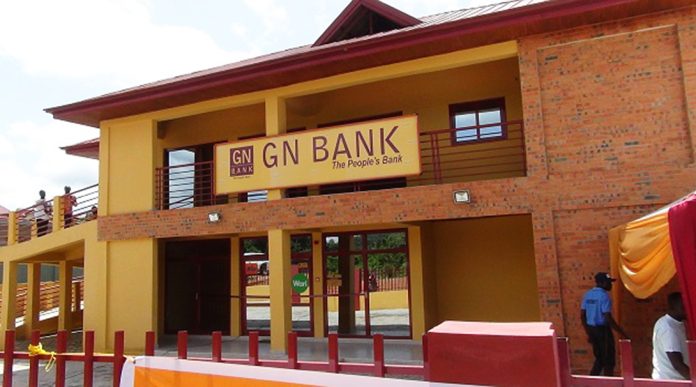
Dr. Papa Kwesi Nduom, chairman of Groupe Nduom, has highlighted the adverse effects of the collapse of indigenous banks in 2018 and 2019 on Ghana’s local economy, particularly on micro and medium-sized businesses.

He argued that the void left by these banks has not been sufficiently filled by foreign or high-street banks, contributing to ongoing economic challenges.

Dr. Nduom made these remarks during the second phase of the #BringBackGNBank national tour, which began in the northern regions of Ghana on August 18, 2024.

This phase follows the initial tour that started on May 27, 2024 and covered six regions; Eastern, Western, Central, Volta, Greater Accra and Ashanti.

The current tour will see Dr. Nduom visit all 300 branches of GN Bank across Ghana’s sixteen regions.

The objective is to evaluate the condition of the bank’s properties and interact with Ghanaians, particularly market vendors who were significant customers of the bank.

This phase includes visits to Wa, Bolgatanga, Walewale, Karaga, Tamale and Sunyani.

In an interview, Dr. Nduom described the campaign as a “national journey for local economic development.” He noted that the tour revisits themes from a similar campaign in 2018/19, when the central bank withdrew licenses from several indigenous banks, including GN Bank.

The earlier tour aimed to bolster support for local banks, which had played a crucial role in regional economic development by providing accessible banking services.

“This tour reaffirms our commitment to revitalizing GN Bank and bringing secure banking services to every corner of Ghana,” Dr. Nduom said. He added that the campaign would also address the reasons behind the bank’s license withdrawal and detail the steps being taken by shareholders to restore the bank.

Dr. Nduom criticized the license revocation, asserting that GN Bank did not merit such action and urging the current administration to address outstanding debts owed to Groupe Nduom companies. He emphasised that the non-payment of these debts was a significant factor in the bank’s insolvency.

“We call on the Akufo-Addo administration to lift the embargo on payments to Groupe Nduom companies and contractors,” he said, pointing out that the debt has now exceeded 7.1 billion Ghana cedis.

The ongoing tour aims to gauge public interest in the return of GN Bank and assess the demand for its mobile and digital banking services. Additionally, Dr. Nduom plans to highlight Groupe Nduom’s broad contributions to the Ghanaian economy, including its involvement in rice production, television manufacturing and other sectors.

Accurate Giant donates Sprinter bus to Adansi Traditional Council

0
The Adansihene in a handshake with CEO Hanson (in dark glasses) in appreciation

Accurate Giant Co-operative For Development And Society, with its headquarters at Adiembra, in the AdansiAsokwa District of Ashanti region, has donated a brand new Sprinter bus, worth GHc280,000 to the Adansi Traditional Council.

The CEO of the company, Mr. Alex Kwofie Hanson, said at the presentation ceremony at Fomena that the management deliberately planned the occasion to coincide with the launch of the 10th anniversary of the enstoolment of Opagyakotwere Bonsra Afriyie II, as the Adansihene, to make the occasion grand.

He stated that the new bus will replace the old one at the Palace and would give Nananom a good ride when travelling to Kumasi and other places to do business.

The donated Sprinter bus

Mr. Hanson further explained that the company was able to purchase the bus from profits gained from its operations and called on the teeming Adansi population to continue to do business with the company.

The Adansihene, who took delivery of the bus, expressed his appreciation to the company’s CEO for the donation.

He noted that the donation would deepen the already cordial relations between the company and Nananom.

Opagyakotwere Bonsra Afriyie called on all and sundry to attend the Grand Durbar, to climax the 10th anniversary of his enstoolment on September 28, 2024.

From Frederick Danso Abeam, Fomena

Abadwumhene destooled amid protests

0
Edubiasehene Oguahyia Oduro Panin Birikorang speaking at the meeting

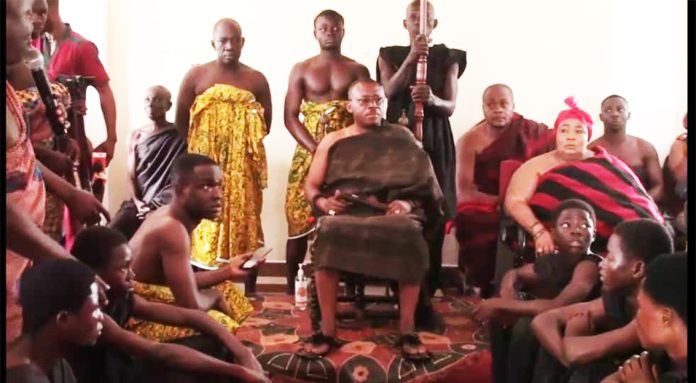
The Edubiasehene Oguahyia Oduro Panin Birikorang, at a meeting of the Edubiase Divisional Council destooled Nana Amoako Tuffour (Prof. Amoako Tuffour) as Abadwumhene.

The Edubiasehene said at the meeting that the destoolment of the Abadwumhene was a result of gross insubordination and disrespect for the Edubiase Stool.

Nana Amoako Tuffour during his enstoolment in September 2021

He accused him of procuring plot allocation papers to sell Edubiase Stool lands to prospective developers without his consent and blatantly failing to honour several invitations (14 invitations) extended to him, as well as using his position to arbitrarily destool the Adikrofo of Nyameso and Anyinam communities, among others.

Throwing more light on the destoolment of the Abadwumhene, Oguahyia Oduro Panin Birikorang noted that Nana Amoako Tuffour had on countless occasions shown disrespectful attitude towards the Abadwumhemaa, Nana Achiaa Konadu Yiadom, and added that the time has come for him to show him where power lies.

As a result, the Edubiasehene has directed the AbadwumGyasehene, Abusuapanin and the Queenmother to restrain Nana Amoako Tuffour from entering the Stool Room of the palace, as well as the Abadwum Oyoko Family house.

He has also ordered instant reinstatement of all Adikrofo Nana Amoako Tuffour purportedly destooled.

To seal the destoolment processes of Nana Amoako Tuffour, a sheep was slaughtered at the ‘Adeebuoho’ of New Edubiase, as custom and tradition demand.

Kwabena Nyarko (middle) surrounded by his people speaking to the media

The Edubiasehemaa, Nana Akua Dwum II, on her part, expressed support for the destoolment of Nana Amoako Tuffour as Abadwumhene, saying “Nana Amoako Tuffour cannot claim to be bigger than Oguahyia Oduro Panin Birikorang.”

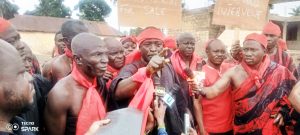
Meanwhile, members of the Oyoko Family of Abadwum have staged a protest march through the town against the destoolment of Nana Amoako Tuffour as Abadwumhene by the Edubiasehene.

They wore red armbands and carried placards with inscriptions like; “Nana Amoako Tuffour is still the Abadwumhene,”  “Asantehene should intervene,” “The Oyoko Clan is not for sale” and “Abadwum went for a war to acquire the lands.”

Speaking to the media, Mr. Kwabena Nyarko, Spokesperson for the group said both the Edubiasehene and the Abadwumhene are Abrempong and stressed that Nana Amoako Tuffour has brought massive development to Abadwum.

“Few years after he came to the scene, he has put up a magnificent palace, constructed a water closet place of convenience and five boreholes among others for the community. We recognise Nana Amoako Tuffour as the Abadwumhene and vehemently reject his purported destoolment as announced by the Edubiasehene,” the spokesperson said.

From Frederick Danso Abeam, New Edubiase

Antimicrobial Resistance is a Greater Threat than HIV-AIDS, TB and Malaria, Says New Report

0
Arica CDC

The likelihood of falling ill or dying from diseases that resist treatment has escalated in Africa, with children and other vulnerable groups being most at risk, according to a new report by the Africa Centres for Disease Control and Prevention (Africa CDC).

“The continent faces the highest mortality rate from antimicrobial resistance (AMR), with 27.3 deaths per 100,000—exceeding the combined death toll from HIV-AIDS, tuberculosis and malaria,” said the ‘African Union Landmark Report’ launched today at Africa CDC headquarters.

Africa bears a significant burden of infectious diseases, accounting for approximately 95% of malaria deaths, 70% of people living with HIV, and 25% of TB deaths globally, said the report.

“We must not ignore this silent threat that disproportionately impacts the most vulnerable among us,” said Africa CDC Deputy Director General, Dr Raji Tajudeen.

AMR occurs when microorganisms like bacteria, viruses, fungi and parasites develop resistance to antimicrobial drugs, a process hastened by human behaviors such as the misuse and overuse of these drugs in healthcare, agriculture and food systems. This renders antibiotics and other antimicrobials less effective, causing treatment failures, increased disease spread, severe illness, disability and higher mortality rates.

Despite the estimated USD2-6 billion needed annually for an effective AMR response across Africa, current funding is only a tenth of that allocated to other major diseases. This underfunding makes AMR a significant barrier to sustainable development, hindering progress toward the Sustainable Development Goals (SDGs) and the African Union’s Agenda 2063.

An estimated 700,000 people die annually from drug-resistant infections globally. Without timely intervention, this number is projected to reach 10 million by 2050, with Africa accounting for 4.5 million.

“Fighting disease requires resources and working with member states and our partners we need to do all we can to save lives,” said Dr Tajudeen, speaking at the launch of a report on AMR in Africa. The event also initiated discussions on a roadmap and targets to advance Africa’s battle against AMR. The outcomes are expected to inform the upcoming United Nations General Assembly High-Level Meeting in September—a crucial platform for global action on this escalating crisis.

Dr Huyam Salih, the director of the African Union-Inter African Bureau for Animal Resources (AU-IBAR), emphasized the critical role that the AU must play in combating AMR. “Antimicrobial resistance is not just a health issue—it is a threat to our agrifood systems, food safety, food security, livelihoods, and economies,” she said.

By 2050, global healthcare costs could exceed USD1 trillion per year, and livestock production could decline by 2.6% to 7.5% annually due to AMR, according to Dr Salih. “In Africa, the situation is particularly alarming, with 37 countries reporting the prevalence of AMR in animal farms, yet only 16% of African countries are conducting routine AMR surveillance in animals as of 2023,” she said.

Dr Salih also called for urgent action to strengthen leadership, expand surveillance and data systems, promote the responsible use of antimicrobials, improve public and animal health systems, and secure sustainable financing to combat AMR effectively. “Our health, our food, and our future depend on the actions we take now,” she stressed.

Dr Tajudeen said addressing AMR in Africa requires engaging all levels of society in a comprehensive and multi-sectoral approach. “Unless we work together, overcoming antimicrobial resistance will be a difficult and long-drawn process that will cost lives,” he said.

Currently, millions in Africa lack access to essential antibiotics, with a study by Africa CDC and the African Society for Laboratory Medicine revealing that only 1.3% of microbiology labs in 14 member states can test for key AMR pathogens.

The head of the African Society for Laboratory Medicine, Mr. Nqobile Ndlovu, reaffirmed the organization’s commitment to strengthening African laboratory capacities to combat antimicrobial resistance. “Our goal is to ensure the continued efficacy of treatments and promote data-driven solutions to safeguard public health across the continent,” he said.

Dr Tajudeen underscored the importance of prioritizing infection prevention, strengthening health and food systems, developing human resources, ensuring sustainable access to diagnostics and therapeutics, and investing in laboratory infrastructure for effective surveillance and data generation.

The report recommends an increase in the availability of high-quality diagnostics, vaccines, and antimicrobials for high-priority pathogens in high-risk African countries.

The Decline of Ghana Sports (1) Re: The Track and Field and the Ernest Obeng Story

0
Feature

Ghana was once a force to reckon with, in the Track and Field (athletics) events, in Africa and the Commonwealth. In the All-African Games which first started in 1965, Ghana has won 95 medals in total (29 gold, 35 silver, 31 bronze) in athletics, to date.

In the Commonwealth Games which Ghana, then Gold Coast, first entered in 1954, Ghana has won 24 medals (4 gold, 8 silver and 12 bronze) in athletics, to date. With the Olympics Games, none of Ghana’s five medals won so far, 1 silver and four bronze, were from athletics. They were from boxing and soccer.

In the Olympics Track and Field, the name Alice Annum, now aged 75 years, is celebrated, for making it to the finals of both women’s 100m and 200m, in the 1972 Munich Olympic Games and finishing sixth and seventh, respectively.

Ghana’s opportunity to have won gold in the Olympics Games came in the 1980 Moscow Games. But because of the Soviet’s invasion of Afghanistan, US led 66 other countries to boycott the games, in what the International Olympics Committee (IOC) protested, claiming that the “pressures by the US and other supporting countries for the boycott were an inappropriate means to achieve a political end, and the victims of this action would be the athletes.

Ghana joined eighteen other African countries to boycott the games and it was indeed a Ghanaian athlete who became a victim. His name was Ernest Ahwireng Obeng. He fell victim twice, in 1980 and 1984, as was well documented in the September 17, 1984 edition of the Talking Drums.

Prior to the 1980 Olympics, Ernest persistently beat Britain’s Alan Wells, returning a time of 10.21 seconds. Ghana boycotted the games, but Britain participated and Allan Wells went on to win gold in 100m with a time of 10.25 sec.

Ernest Obeng’s story, is noted more of opportunities he missed to compete in major international contests, including the 1980 and 1984 Olympics.

With the Moscow Games, Ghana stood firmly among African nations that chose to follow the USA, United Kingdom and others who called out for the boycott. However, in partial support of the American-led boycott, the UK government allowed its athletes to choose whether to compete.

There was a boycott of the opening ceremony with Britain being represented solely by the General Secretary of the British Olympic Association, Dick Palmer, carrying the Olympic flag, and no athletes being present. Furthermore, the Olympic flag was raised for the British medal winners in place of the Union Flag, and the Olympic anthem was played instead of God Save the Queen for the five gold medallists.Ghana could have done the same and come home with at least one gold.

The most heart-breaking and traumatising moments for any sports man or woman, is when competitions they have prepared for, are cancelled. No one can describe how an athlete feels in such moments. That is why, politicians who go ahead to take such decisions, break the hearts of sports folks.

Sports and games bring about absolute peace and unity much easier than peace-talks held by politicians.

Ernest’s other major problem was the long-standing argument with Ghanaian athletics officials over his suitability to compete for his motherland.

This clash is something that exists within the sports in Ghana. On most occasions, officials feel they must be worshipped by the athletes and would go as far as even wrongly penalising those they do not like. Those the officials cannot stand most, are sports men and women who come from affluent backgrounds. They are considered softies and when they excel, the officials just do not like it.

It is very evident that these officials may have some complexes and would want to establish their authority over all the sports folks under them of which there are two classes. The first class is made up of those who are from ordinary homes and would do anything to make the team, just to boost their social standing. In this case they become willingly subservient to those in authority. Being part of the team or squad, no matter what the results would be, will certainly make them lords in their individual communities.

The second class is made up of the affluent, who have nothing to lose. These sports folks, facing even the authority with challenges, would never submit to anyone without being convinced why they have to.This the authorities cannot just stand. So, once one is identified to be from this class, he or she must pray for divine interventions.

There was a case, way back in the 1978, where two brothers who were in the Greater Accra collegiate basketball team had to plead to be given a chance to play in the competition. These brothers were better than most of the regulars, but they were always made to warm the benches because they were from affluent homes.

It might be for this reason why Ernest Obeng was targeted and all excuses were found to remove him from the list. This fine Ghanaian athlete based in Great Britain, and whose mother was Dr (Mrs) Letitia Obeng of the United Nations Environmental Programme (UNEP) in Nairobi, was wrongly accused by officials of gross insubordination; staying out of the Olympic village without permission; lacking team spirit and not taken part in the opening ceremony; lacking respect for officials; sabotaging the team’s effort in the 100m relay by expressing not to participate; carrying an unsuitable hair style and drinking alcohol two nights before the start of the event he was scheduled to compete in.

In response, Ernest stated that there was no procedure for athletes to follow with regard to staying out of the village and he even informed the captain and others of his absence for a few days before the event took place. He needed to go somewhere quiet to have peace of mind to concentrate on the important day of his life.

When he offered these reasons, his name had already been delisted and the officials refused to accept the evidence of his witnesses.

Sports men and women, in such high-level games, may opt to reside outside the games’ village, if they do not feel comfortable there; this happened during the Paris Olympics. No coach or official would deny his athlete, peace of mind before an important event. Ernest pleaded for a more fitting form of punishment, but it was rejected.

Ernest Obeng completely rejected the allegations against him, of being an individualist and an introvert, stating that he never showed lack of respect for anyone, since he interacted well with everyone. He could express his thoughts and opinion on certain issues in disagreement with officials, but he never set out to do anything to disrupt the team.Ernest never knew that any expression of diverse opinion, is what the officials did not like.

He was denied the opportunity to participate in the opening ceremony, since he was not issued with the uniform to wear and his ticket for the match past was used by one of the officials.

He conceded that he indicated to the officials that he could not take part in the 100 m relay, because the other sprinters had trained more together on baton changing, which was very important in relays. He felt he could not be of help to the team if he replaced anyone. He was not told that participating in the relays was prerequisite to running the 100 m flat but was removed from the sprint list.

His hairstyle which he had worn for several years and got selected into the team, had suddenly become an issue. He wore that hairstyle and got selected for the 1978 All-African Games and run in the 100 m relay, which won gold for Ghana.

Ernest Obeng was accused of drinking alcohol when he never took alcohol, a fact known by his associates.

He concluded that the officials were in Los Angeles, just to have fun and were not bothered about their responsibilities towards the team. They were hardly there for training but rather went sight-seeing and shopping. Does 2014 FIFA World Cup in Brazil, come in mind?

The officials became tyrants who never wanted diverse views from the team.

They could pick which athlete to punish and leave out other offenders. They would also choose athletes with lower performance over those who performed better to partake in the competitions.

Instead of addressing issues raised by Ernest Obeng, the National Olympics Committee, in 1984, came out with a resolution not to rely on athletes based abroad. They felt money that would be spent on them, tofly down to Ghana to justify their inclusion, could be used on local based athletes. So, today many Ghanaians are competing for other nations.

Ghana could have won a medal for the first time in the track and field in the 1980Olympic Games, but boycotted. Another chance was blown away in 1984, when Ernest Obeng was removed from the team, for no good reasons. Our sports started declining.

By Hon. Daniel Dugan

The Ghanaian Chronicle