Home Blog Page 1157

Editorial: Yes, We Agree – Illegal Miners Should Be Shot On Sight (II)

0
Devastation caused by galamsey

Last week Friday, we proposed to the military to shoot on sight any illegal miner (galamsey) that will be caught doing alluvial mining on any of our water bodies. We, however, suggested that instead of shoot to kill as espoused by the Member of Parliament for Bekwai, Joseph Osei Owusu, the military should rather target the legs of these social miscreants to immobilise them.

Our harsh suggestion, which we still stand by, stems from the continuous pollution of our major rivers and creeks by the illegal miners, despite all the public criticisms against their conducts. In fact, in a video we have sighted on social media, an apparent illegal miner was seen chastising “those sitting in Accra and demonstrating against illegal mining”.

He suggested to the protesters to come to the mining areas and even Kumasi to organise similar protests to see if they would get any support.

The arrogant manner this illegal miner spoke, to us at The Chronicle, is a clear indication that they are not ready to stop the pollution of the water bodies.

Indeed, this has been manifested in the Eastern Region, where the illegal miners after being cleared from the banks and on Birim River, have gone back to do brisk business.

In our opinion, the stage that we have reached, if we should keep on talking about human rights – these illegal miners will ‘execute’ all Ghanaians. The human rights groups should not gloss over the fact that water is life – without it human beings cannot survive on planet Earth.

As MP Osei Owusu noted, polluting the rivers and denying fellow human beings the right to survive amounts to murder, and the latter, per our laws, must also be killed.

But as we stated earlier, we are not calling for them to be killed, but maiming them will send strong signal to others that they would suffer the same fate and live with it in perpetuity if they do not stop polluting the rivers.

This is the only way we, as a country, can deal with the situation and we are very happy that a former Deputy Attorney General, Dr Dominic Ayine, has also joined the calls for drastic actions against the miners.

According to a story carried by myjoyonline.com, the MP for Bolgatanga East constituency has suggested that a “shoot on sight” policy would be more beneficial to the government’s efforts in combating the menace.

“I have been discussing with a brother of mine… he has been proposing radically that we should actually send drones with either bullets or bombs with heat detection technology, so that if we detect human activity in that area, they should just fire. If that is what will save us from this environmental genocide, I will support it,” he reportedly said during a radio discussion on Joy News TV.

As a lawyer and former Deputy Attorney General, Dr Ayine certainly values the rights of others, but if despite this knowledge, he is still proposing a radical approach to the fight against the pollution of our water bodies and destruction of forests, it sends strong signal that we are at a breaking point.

Those raising the issue of lack of employment for the youth, though is a major concern to all Ghanaians, it still cannot and should not justify the destruction of the water bodies.

We must be honest to ourselves, the illegal miners have tasted money and know how to splurge cash.

In view of this, no alternative employment offered either by the government or the private sector will satisfy them to stop what they are doing. This is the more reason why the radical approach must be adopted to stop them in their tracks.

Can we deploy the army and the police to patrol Rivers Birim, Densu, Volta, Prah, Ankobrah, Offin, and Tano for twenty four hours?  The answer is certainly no.

The best thing they can do is to patrol part of these rivers for a period of time, but not 24 hours all year round. Even if they can do, what about those in the forests who work mainly in the night to outwit security?

The problem at hand is a very complex one, which must be solved with radical ideas. This is not the time, as we earlier stated, to be talking about human rights when the entire citizens of this nation are on the verge of being exterminated.
 

NDC promises Political Showdown on Tuesday

0
The flag of the NDC

Following the Supreme Court’s order on Friday to stay the ruling of the Speaker of Parliament, Rt. Hon. Alban Sumana Kingsford Bagbin, the National Democratic Congress (NDC) has warned Ghanaians to prepare for what they are calling a “showdown on Tuesday.”

According to the NDC, the public may witness an event reminiscent of January 6, as tension rose over control of the Speaker’s seat and the majority position in Parliament.

Last Thursday, Speaker Bagbin declared four parliamentary seats vacant, giving the NDC a majority in Parliament, which prompted celebrations among the opposition MPs.

In response, the ruling New Patriotic Party (NPP) swiftly filed for an intervention from the Supreme Court in an ex-parte motion.

The Supreme Court’s order has sparked debate, not only among legal professionals but also among political commentators, regarding its directive to reinstate the four MPs and recognise them as such.

Mahama Ayariga, MP for Bawku Central and Alhassan Suhuyini, MP for Tamale North, have commented during television discussions, that while the court may issue rulings, enforcing them is another matter.

Ayariga, a legal practitioner, hinted that “Tuesday will be an interesting day,” without giving specifics.

Ayariga defended Speaker Bagbin’s actions, stating that he acted within the provisions of the Constitution. He added that when the interpretation of the law is contested, the Supreme Court’s role is to provide clarity.

According to him, the Supreme Court’s based its ruling on the representation and human rights of the four affected constituencies, he stated that indeed if it was a human rights issue then the Supreme Court had no jurisdiction, citing Article 33 of the constitution on the protection of rights by the court.

He also questioned whether the judiciary considered the same rights for the people of Santrokofi, Akpafu, Lipke and Lolobi (SALL), who have been without representation for the past four years.

He criticised the Supreme Court for being overly concerned, comparing their stance to “crying more than the bereaved.”

The MP for Bawku Central also questioned the need for the injunction application filed by Alexander Afenyo Markins, the NPP leader in Parliament, suggesting it pre-empted the action.

The Bawku Central Legislator expressed disappointment at the Supreme Court’s involvement in what he sees as a political matter, citing the U.S. Supreme Court’s decision in Baker vs Carr (1962) to support his view. He questioned how the Court could position itself as a political body, overseeing actions within the legislature.

Alhassan Suhuyini, meanwhile, accused Chief Justice Gertrude Sackey Torkornoo of being perceived by the public as acting in favour of the NPP, cautioning her against letting that perception take root. He assured the public that on Tuesday there would be a “political showdown”.

Kwaku Ansa-Asare, former Director of the Ghana School of Law also criticized the Supreme Court’s decision, calling it procedurally flawed and describing the order to stay the Speaker’s ruling as null and void.

He suggested that Parliament could cite the Court for contempt for overstepping its constitutional bounds.

Ansa-Asare further stated that the Speaker might choose not to comply with the Court’s order, which could lead to a constitutional crisis between the two branches of government.

He also criticized the composition of the panel of judges, arguing that more senior judges should have been assigned to the case.

Dr. Ansa-Asare called for a dialogue between the three branches of government—the executive, the legislature and the judiciary—to prevent constitutional conflict.

Prof. Ransford Gyampo, a Political Science lecturer at the University of Ghana, also urged senior members of both sides of Parliament to step in to prevent further escalation.

Supreme Court overturns Bagbin’s unconstitutional orders; directs Parliament to recognize 4 MPs

0
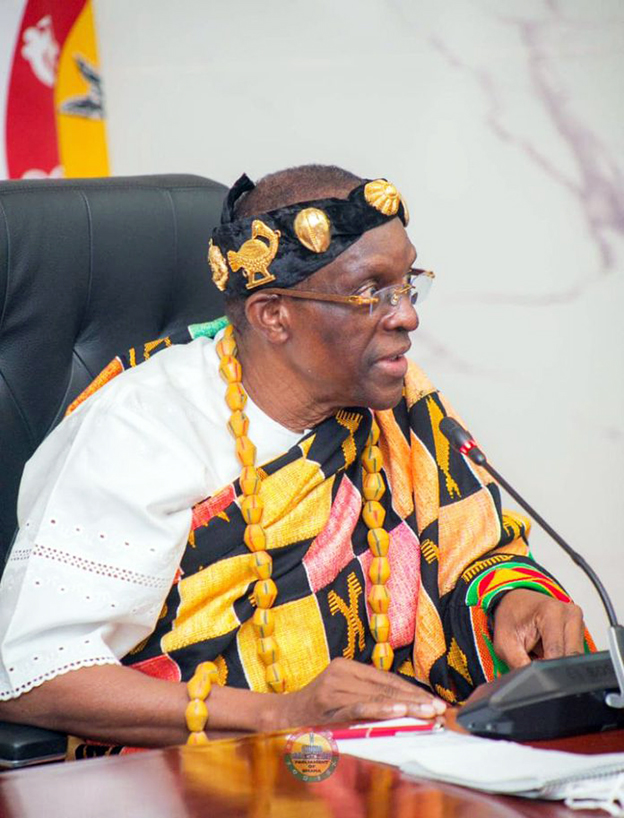
CJ, Torkornoo, and Speaker Bagbin

The Supreme Court of Ghana has temporarily overturned Speaker Alban Sumana Kingsford Bagbin’s ruling which barred four Members of Parliament (MPs) from representing their constituents and declared their seats vacant.

The apex court, accordingly, directed Parliament to recognize and allow the four affected MPs namely Andrew Amoako Asiama, Independent MP for Fomena and 2nd Deputy Speaker, Cynthia Mamle Morrison, NPP MP for Agona West, Peter Yaw Kwakye-Ackah, NDC MP for Wassa Amenfi East and Kwadwo Asante, NPP MP for Suhum, to perform their duties.

This decision follows the granting of an ex-parte application filed by the Majority Leader, Alexander Kwamena Afenyo-Markin, praying to the Court to stay the execution of Bagbin’s ruling declaring vacant the seats of four MPs and ordering the said MPs to vacate their seats in Parliament on account of his declaration.

Afenyo-Markin argued that Bagbin’s ruling would cause irreparable damage, citing potential harm to:

a. Parliament’s business, especially, committees chaired by majority members.

b. Government business due to minority members’ actions.

c. Government appropriation requiring parliamentary approval.

d. Constitutional rights of the four MPs and their constituents.

e. Supreme Court’s original and exclusive jurisdiction.

“By our understanding of Article 97 (1) (h), (g) the step taken by these four parliamentarians were meant for the 9th Parliament of Ghana coming in a different identity. It does not amount to crossing carpet in the current Parliament. The Speaker did not point to any communication from the MPs, they were not heard at all and so, their rights under rules of natural justice, the audi alteram partem rule and that of their constituents has been breached”, Afenyo-Markin’s strong argument as captured in the Supreme Court’s ruling dated October 18, 2024.

Considering the gravity and urgency of the suit brought before the apex court by the Majority Leader, the Court has further directed the Speaker and the Attorney General, the defendants in the suit, to file their statements of case within seven (7) days, followed by a joint Memorandum of issues within seven days of filing.

“On the balance of the law, exhibits and facts placed before us, we are satisfied that the duly elected representatives in question were not heard on the extremely critical issue raised”, noted the ruling by the five-member panel of Supreme Court Judges chaired by the Chief Justice, G. S. Torkornoo.

The other panel members were M. Owusu, JSC, S.K.A. Asiedu, JSC, E.Y. Gaewu, JSC, and Y. Darko Asare, JSC.

The directive of the Supreme Court will remain in effect, not for the 10 days initially requested by the applicant, but until the court delivers its final ruling on the matter.

Meaning of ex-parte

An ex-parte application is a request or motion made to a court by one party without the presence or representation of the opposing party. Ex-parte applications are usually made in urgent or emergency situations where delay could cause harm or prejudice to the applicant. The applicant must demonstrate that notice to the opposing party would frustrate the purpose of the application.

Speaker Bagbin, had on Thursday, October 17, 2024, in a ruling declared four parliamentary seats vacant, citing Article 97 of the 1992 Constitution as the basis of his decision. He made the declaration following a motion moved by the NDC MP for Tamale South and a former Minority Leader, Haruna Iddrisu.

Haruna Iddrisu in his motion invoked the constitutional provisions that mandate MPs who seek to switch their political affiliations or indicated their intention to contest their parliamentary seats as independent candidates to vacate their seats.

Walkout

However, Bagbin’s ruling was seen by the Majority Caucus as a breach of the constitution and usurpation of the authority of the Supreme Court. In response, they staged a walkout from Parliament, protesting the Speaker’s ruling as unfair. Afenyo-Markin later told the Parliamentary Press Corps that their action was after both the Speaker and the Minority Members of the House had attempted to silence him as he sought to convey the Majority Caucus’ strong misgivings about the Speaker’s blatantly unconstitutional conduct.

Respect

Afenyo-Markin welcomed the Supreme Court’s ruling urging the Minority Caucus to take legal action if they have a strong case. He noted that the ruling affirmed the legal rights of the four MPs and, by extension, the democratic representation of their constituents.

“The court has determined the matter and has ordered the parties to file the necessary processes for the final determination of the matter. We expect our colleagues and all those involved in this matter to respect the law, including the right Honorable Speaker”, he noted.

He added “We are democrats. We don’t believe in violence. We don’t believe in mischief and unnecessary political chaos. We came to court believing that the court would do right and indeed the court has just done it. The rights of those MPs have been reinforced, as well as the rights of those constituents who elected them”.

Restore

Prior to the Supreme Court hearing, Afenyo-Markin vowed to take lawful action against the Speaker’s “unconstitutional conduct”, stressing the need to restore constitutional order and maintain parliamentary integrity.

Anger Over Removal Of 4 MPs: Take Your Parliament, We Won’t Be Part Until… … Afenyo-Markin Tells Bagbin

0
Speaker 'Togbe' Bagbin

Members of Parliament (MPs) on the ticket of the ruling New Patriotic Party (NPP) have declared boldly that they have boycotted Parliament until the case they filed at the Supreme Court is determined.

Alexander Kwamina Afenyo-Markin

The decision of the NPP MPs, announced on Thursday, October 17, 2024 by their leader, Alexander Afenyo Markin, came minutes after the Speaker of Parliament, Alban Sumana Kingsford Bagbin declared four seats vacant.

By the communication from the Speaker to the House, the NPP has lost three members and the National Democratic Congress (NDC) has lost one member.

Addressing the media shortly after boycotting the proceedings, Afenyo Markin claimed that the Speaker had jettisoned the writ of summons to “do the bidding of the NDC. It is so clear. But we, as the majority caucus, immediately are boycotting Parliament until this matter is determined by the Supreme Court.

“The Speaker has no right to interpret the constitution, and it is so clear that what he did was to give advantage to the NDC and do the bidding of the NDC.

“We are not going to go further to litigate. We have a process at the court. We will follow it up. If the court makes a pronouncement, we will respect the orders of the court. Because we believe that the issues we have raised are issues for interpretation,” he added.

CHANGES

The announcement by the Speaker means that the membership of the NPP MPs has reduced from 137 plus the independent candidate who had been doing business with them, from 138 to 135. On the side of the MPs of the opposition NDC, their numerical strength has been reduced by one, bringing it to 136, translating into them having the highest number of members in the House.

COMMUNICATION

The Speaker had asked for two days, from last Tuesday, to give his ruling on the statement made by the Minority Leader, Cassiel Ato Forson, for the MPs to be sacked.

However, speaking yesterday, he mentioned that he was giving a communication to the House.

In the communication, Speaker Bagbin laid the foundation that the matter of whether an MP had changed his or her ticket is based on fact.

He said that it was glaring from the notices of poll he had sighted that the affected MPs had changed their political tickets, upon which they entered the 8th Parliament.

Though he referred to the ruling by former Speaker Prof. Aaron Michael Oquaye, which was based on a petition from the NPP, he said that that ruling does not bind other Speakers, including him.

According to him, Article 97(1) permits him as Speaker to inform the House when a member vacates his or her seat.

“Accordingly, I proceed to inform the House that by the notification of polls, the following members (he mentioned their names), by their actions, have vacated their seats in Parliament. These MPs cannot be allowed by law and my good self to continue to pretend to be representing the people that they don’t believe in and they don’t have any loyalty for in this House,” he declared.

AFFECTED MPS

The MPs who have been sacked are the Second Deputy Speaker, Andrew Amoako Asiamah, the current independent MP for Fomena, who has filed to contest the seat again but this time on the NPP ticket; Peter Kwakye Ackah, the NDC MP for Amenfi Central; Cynthia Mamle-Morrison, the current MP for Agona West and Kwadwo Asante, the current NPP MP for Suhum, who have all filed to contest as independent candidates.

TAKING OVER

The Minority Leader, Cassiel Ato Forson, addressed the media and stated that his side had “now moved to become the majority.”

According to him, they will begin the process to elect a Second Deputy Speaker and take over the majority of the committees.

“We will begin the process to move to the majority side and elect a new Second Deputy Speaker of Parliament on Tuesday,” he said.

According to the dictates of Article 112(6), there should be no by-election if the period to a general election is less than three months.

EXPERT VIEWS

Renowned legal practitioner, Kweku Paintsil, speaking to JoyNews, faulted the ruling of the Speaker, saying the fact that an MP declared an intention to return to Parliament on a different ticket does not automatically equate to leaving the previous ticket.

It was his hope that the Supreme Court, within the earliest possible time, would make a determination on the matter.

However, former director of the Ghana School of Law, Kwaku Ansa-Asare, on the same network, did not see how the majority would be victorious in court.

“I can’t see how all of a sudden the Supreme Court will begin to lay down processes for Parliament,” he said in the context of separation of powers.

He explained that Speaker Bagbin had stated that the position he took had been the practice in Parliament, as such that fortified his stance.

He, however, cautioned the House “to be mindful of what they are doing today,” stating that it may playback in the future.

Prophet Salifu Amoako’s Fans Assault Chronicle reporter, others

0
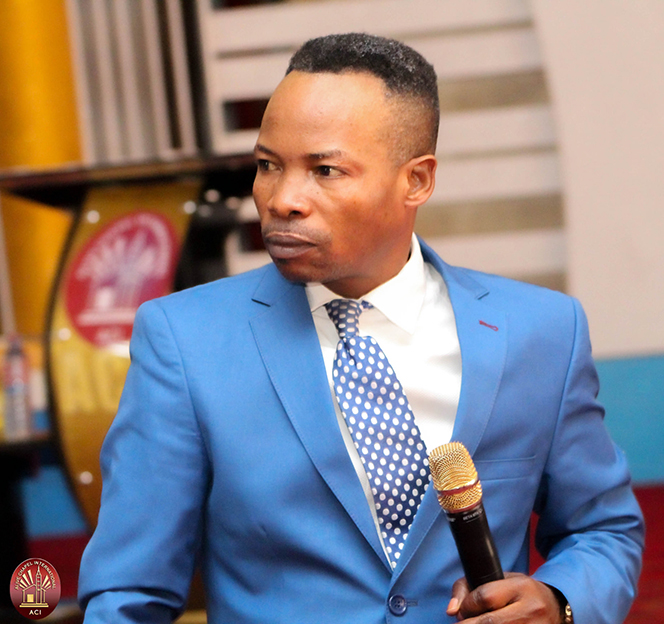
Prophet Salifu Amoako

Supporters of Elisha Salifu Amoako, Founder and General Overseer of Alive Chapel International, caused commotion and violent disturbance at the Accra Circuit Court on Wednesday, October 16, 2024.

The altercation occurred as journalists attempted to report on a court hearing involving Elisha Salifu Amoako, who, along with two others, had been granted bail in connection with a fatal car crash involving his underage son.

The court, presided over by His Honour Samuel Bright Acquah, granted bail to Elisha Salifu Amoako, Mouha Amoako and Linda Bonsu Bempah, each in the sum of GH¢50,000 with two sureties.

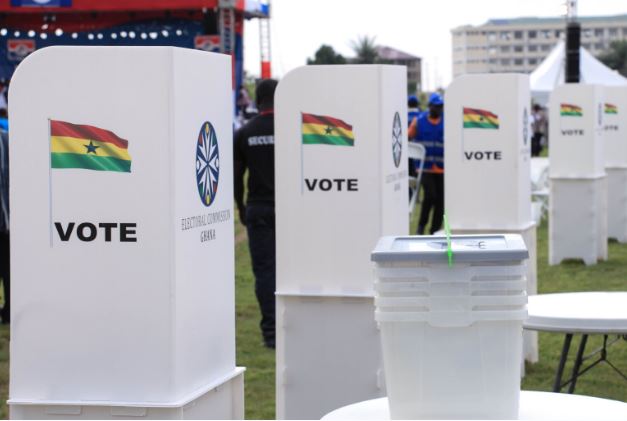
The three are facing charges related to an accident on October 12, 2024 which resulted in the death of two 12-year-old children.

Following the hearing, tensions erupted when Elisha Salifu Amoako’s supporters attempted to prevent journalists, who had been accredited by the Judicial Service, from covering the case.

The supporters clashed with members of the press, forcefully seizing a phone from GHOne legal correspondent, Murtala Inusah, who was capturing video footage. Inusah sustained injuries whilst the buttons on his shirt were destroyed.

A reporter from The Chronicle Newspaper was also attacked while attempting to document the scene. Three individuals accosted her, snatched her phone and smashed it on the ground, and threw away her belongings. One assailant punched her in the head, causing an immediate headache.

The attackers continued to harass her, demanding to see her “warrant” for covering the court proceedings.

The matter has since been reported to the Ministries Police Station for further investigation.

They also verbally assaulted Peace FM and UTV correspondent, Philipa Ayilimah Atanga, who is an expectant mother.

In a similar fashion, Court Warrant Officer (CWO), Corporal Mathew Amoah, was attacked by the same group of thugs around 2:30 pm while attempting to calm them down, following an order from Her Honour, Evelyn Asamoah, who was presiding at the time.

The thugs attacked Corporal Amoah, wrongly assuming that he was trying to favour and protect the journalists over their leader.

Earlier, Corporal Amoah had intervened to prevent the group from assaulting members of the press, as the case was being allocated, which had further angered the crowd.

As tensions escalated, one female thug grabbed Corporal Amoah by his uniform, tearing off his buttons, slapping him and leaving him with bruises on his face and chest.

Despite being attacked, the officer did not retaliate and attempted to arrest the woman, but this also enraged the crowd further and they assaulted him.

Corporal Amoah managed to seize the woman’s phone and later presented it as evidence when he reported the incident to the Ministries Police Station. Corporal Amoah was given police medical forms and received treatment at Korle Bu Teaching Hospital. Some of the journalists attacked were also given police medical forms to go for treatment.

It has become clear that in the house of justice, injustice is being perpetuated, as this is not the first time journalists have been attacked on court premises.

The security lost control, as these supporters stormed the courtroom in large numbers, making it difficult for the court warrant officer to even close the door.

Case Details

The charges against the accused stem from a tragic incident on October 12, when 16-year-old Elrad Amoako, the unlicensed son of Elisha Salifu Amoako, allegedly drove a Jaguar F-Pace SUV into the rear of an Acura 4×4 vehicle.

The crash resulted in the deaths of 12-year-olds Justine Agbenu and Maame Dwomoh Boateng, who were trapped inside the Acura, which caught fire after the collision. Elrad and two passengers sustained injuries and are currently receiving treatment.

The three accused – Elisha and Mouha Amoako, along with Linda Bonsu Bempah – were charged with permitting an unlicensed person to drive.

The court ruled that the accused were not flight risks and allowed them to retain their passports, provided they inform the court before any international travel.

Legal Arguments and Bail Decision

Defense lawyer Eunas Kofi Eshun argued for bail on behalf of the Amoakos, citing their good standing in society and full cooperation with authorities. He emphasised that Elisha Salifu Amoako, a well-known pastor and his wife, Mouha, a Banker, posed no flight risk and that Elisha had serious health concerns requiring medication.

Linda Bonsu Bempah’s lawyer, Selali Woanya, highlighted her stable employment and cooperation with authorities, arguing that she was also not a flight risk.

While the Assistant State Attorney, Ebenezer Yaw Acquah, did not oppose the bail applications, he requested that the accused deposit their passports with the court, a request the judge denied.

The case has been adjourned to October 30, 2024 for the next hearing.

Execution of bail

The accused persons spent an additional night in police custody but were able to post bail on Thursday, October 17.

Judicial statement

Meanwhile the judiciary has issued a statement to condemn attack on the journalists. The following is the full statement. The attention of the Judicial Service Staff Association of Ghana (JUSAG) has been drawn to an unfortunate attack on the Legal Affairs Correspondent of the EIB Network, Mr. Murtala Inusah, Ms. Bernice Bessey and other court reporters by supporters of Prophet Salifu Amoako within the premises of the Accra Circuit Court when Mr. Murtala, Bernice Bessey and other reporters were gathering the footage of the events on Wednesday, 16th October 2024 as part of their usual lawful duties.

Our information is that one of the journalists, Mr. Murtala had his phone damaged in addition to the assault on him. JUSAG has sighted the disturbing pictures and videos of the event with much concern. It clearly shows that Court staff and other users around that time were not safe.

That attack on journalists within the premises of the Court is an assault on the Judiciary and the Justice System. It is an attack on press freedom, and an attack on our democracy. The conduct is unlawful, uncultured and must be condemned in no uncertain terms.

The growing trend of attack on Court staff, users and persons within Court premises is very disturbing. It is time for decisive actions to be taken to curtail the unfortunate practice to guarantee the safety of staff and all persons who come to Court to access justice.

It was our expectations that the Police could have affected immediate arrest of the perpetrators of this attack. Unfortunately, that did not happen. Our understanding is that two of the victims have filed a complaint at the Ministries Police Station in Accra. We wish to urge the Police to expedite actions to ensure that justice is served on Mr. Murtala Inusah, Bernice Bessey and the other Court Correspondents.

One of the victims, Mr. Murtala Inusah is a responsible court correspondent who places the ethics and professionalism in his line of work. It was for this and other reasons why the JUSAG honored him as the best Court Correspondent during the climax of our 50th Anniversary in Cape Coast on the 21st September 2024.

JUSAG wishes Murala, Bernice Bessey and the other court correspondence a speedy recovery. They are assured of our full support in these trying times. We wish to urge the Ghana Journalist Association (GJA) and organisations within the media space to take serious interest.

Bawumia set to launch music streaming and taxi-hailing apps

0
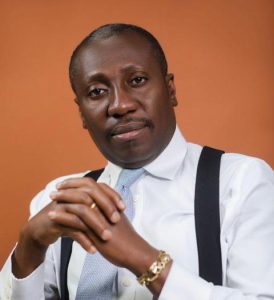
Dr Mahamudu Bawumia

Dr Mahamudu Bawumia, flagbearer of the New Patriotic Party (NPP) has hinted that Ghana’s first local music streaming app will be launched next month. He made the disclosure   during a meeting with stakeholders in the creative arts sector on Wednesday, this week.

“I’m very happy to let you know that the work has been completed,” Dr. Bawumia declared to an enthusiastic crowd.

He pointed out the shortcomings of international platforms like Spotify, stating “Spotify and other platforms are externally owned, so it’s not surprising that the payments to our musicians are very little.”

Shatta Wale asking a question

He highlighted the urgent need for a local streaming platform that can adequately showcase Ghanaian talent.

“The issue for us has been to ensure we have a local streaming platform where we can put all the catalogues from A to Z that we can find in Ghana,” he added.

Dr Bawumia also addressed the challenges faced by local taxi drivers who feel threatened by the presence of global ride-hailing giants like Uber, Yango and Bolt.

“Taxi drivers came to complain that they are being pushed out by Uber, Yango and Bolt,” he remarked.

To tackle this, Dr Bawumia announced the development of a digital platform for local taxi drivers.

He explained that the platform would serve as a home-grown alternative to international ride-hailing apps, which have dominated the market in recent years.

The Vice President pointed out that these global companies charge commissions as high as 28%, significantly short-changing Ghanaian drivers.

He noted that this often leaves local drivers with very little profit, making it difficult for them to sustain their livelihoods in the increasingly competitive environment.

With the new digital platform, Dr Bawumia envisions a system that will provide a level playing field for local drivers while reducing the financial burden of high commissions.

“By launching this platform, we’re not just giving local taxi drivers a tool to compete but also empowering them to take charge of their own destinies,” he remarked.

He emphasised that the platform would allow drivers to retain more of their earnings and provide better service to customers.

“We will launch it before the end of this month,” he affirmed, adding that this initiative is part of a broader effort to ensure that Ghanaians benefit more directly from the digital economy.

The Vice President’s commitment to developing local platforms in both the music and transport sectors reflects a broader national strategy to enhance the livelihoods of Ghanaians while promoting home-grown solutions.

By introducing a local music streaming app and a ride-hailing platform, Dr Bawumia is addressing two critical sectors that are being dominated by foreign companies.

His initiative aims to create a more equitable economic landscape where Ghanaian talent and service providers can thrive.

The upcoming launches of these platforms are expected to have far-reaching effects. For musicians, the local streaming app promises to ensure that artistes retain a higher percentage of their earnings, offering a much-needed boost to the creative arts industry.

Similarly, the local ride-hailing platform is anticipated to provide a fairer system for taxi drivers, granting them greater control over their operations and earnings.

These initiatives align with the government’s vision of leveraging technology to empower citizens and build a more self-reliant economy.

“We need to take control over some of these vehicles to maximise the returns,” Dr Bawumia said, reinforcing the idea that localised solutions can help drive sustainable economic growth in Ghana.

Catholic Voice Ghana calls for peaceful coexistence ahead of December Elections 

0
Ghana election

Catholic Voice Ghana, a group in the Roman Catholic Diocese of Obuasi, has hosted a memorable choral concert dubbed Ghana Asomdwoe (Ghana’s Peace), towards a peaceful coexistence among Ghanaians, ahead of the December 7 General Elections.

The concert is aimed at unifying members of the general public and calling for tranquility in the electoral process.

The concert featured captivating performances by the host choir, Catholic Voices Ghana, alongside the guest choir, Dom Peace Chorale.

The groups showcased a range of harmonious and patriotic songs, leaving attendees resonated with the audience, reinforcing the message of unity and collective responsibility in nurturing peace.

The event inculcated a renewed sense of hope and a collective promise to advocate for peace at all times.

The participants were drawn from members of the ruling New Patriotic Party (NPP),  the opposition National Democratic Congress (NDC), the Clergy, Civil Society Organisations, Ghana Police Service, the Media and the general public.

Other stakeholders who participated in the programme included Mr. Patrick Boakye Yiadom, the Member of Parliament for Obuasi East Constituency, Mr. William Kofi  Adzowu, the  NDC Constituency Secretary and personnel from the National Commission for Civic Education (NCCE).

Mr. Joseph Owusu-Addo, the Executive Director of Catholic Voices Ghana emphasized the importance of peace as we approach the elections and  stressed the need to  commit to maintaining peace in our communities because violence and division have no place in our democracy.

Rev. Fr. John Calistus Sannah, a Catholic priest in the Obuasi Diocese, echoing the concert’s theme of peace underscored a shared commitment to ensuring a peaceful coexistence among the electorate in a conducive electoral environment in the lead-up to the elections.

Lifting Ghana’s Economy: A Proposal for a NationalFair Pricing Agency for Equitable Markets

0
Wisdom Koudjo Klu

In the bustling markets of Ghana, where trade energy mirrors the country’s economic vitality, a contentious issue is brewing: the persistent rise in prices of basic goods.As a worried citizen walking these streets, I have personally observed the challenges.Indisputably, reports emerging from across the nation highlight disturbing trends, with basic necessities like rice, yams, and fish experiencing price increases that seem unjustified.

Vendors often cite rising transportation costs or the devaluation of the cedi as reasons for these hikes, yet many people feel these explanations do not accurately reflect the situation. For example, while farmers may sell their goods at reasonable prices, by the time these products reach urban markets, prices can increase to two or three times their original value. A tuber of yam priced at GHS 15 on the farm may be sold for up to GHS 40 in the city, prompting consumers to question the justification for such soaring prices.

National Fair Pricing Agency(NAFPA)- the Relevance

Creating a National Fair Pricing Agency under the jurisdiction of our district and municipal assemblies could provide crucial oversight to address unfair pricing practices. This agency would function as a regulatory entity responsible for monitoring the costs of essential goods and services nationwide, safeguarding consumers from abusive pricing. NAFPA could significantly influence our economy and daily lives in diverse ways:

  • Addressing Price Gouging:The main goal of the National Fair Pricing Agency would be to eliminate price gouging. By establishing price monitoring systems within each district and municipality, the agency could offer real-time data on essential goods, enabling consumers to make educated choices. This increased transparency would promote accountability among sellers, ensuring that any price hikes are warranted and reflect genuine cost changes.
  • Improving Market Transparency:The agency would create a transparent pricing model suited to local markets, helping consumers comprehend the factors influencing price fluctuations. With established pricing standards, citizens would be more aware of unfair practices, contributing to a more equitable marketplace for all stakeholders.
  • Overseeing the Supply Chain: A critical responsibility of the National Fair Pricing Agency would involve monitoring the entire supply chain at district and municipal levels, from production to sale. By tracking prices at every phase, the agency could pinpoint where price increases occur and hold relevant parties accountable. This oversight is vital, especially when there are stark discrepancies between farm gate prices and market prices, ensuring consumers understand the reasons behind high costs.
  • Informed Policy Formation: The agency’s data collection efforts at the district level would not only facilitate price monitoring but also inform local government policy development. This information could aid policymakers in devising targeted measures to stabilize prices and protect consumers. With an accurate grasp of market dynamics, local governments could create strategies benefiting both consumers and producers.
  • Promoting Consumer Education: Education is a crucial weapon against unfair pricing practices. The NAFPA would not only track prices but also engage in consumer education programs. By teaching citizens about their rights and how to identify fair pricing practices, we can empower individuals to resist exploitation. An informed populace is a strong ally in the battle against unjust pricing.

Implementation Strategies

The effectiveness of the National Fair Pricing Agency will depend on its operational framework and stakeholder involvement. Approaches to enhance its efficacy:

  • Regulatory Framework: Develop clear pricing guidelines for essential goods and services in each district and municipality, created in collaboration with local stakeholders such as farmers, retailers, and consumer advocates.
  • Community Engagement: The agency should proactively involve communities to collect insights and feedback regarding pricing matters. This grassroots strategy will build trust and collaboration between the agency and the public.
  • Regular Price Audits: Perform frequent audits of local market prices to ensure adherence to established guidelines. This proactive measure will discourage vendors from engaging in price gouging.
  • Consumer Reporting System: Create an accessible mechanism for consumers to report unfair pricing practices. An effective system will ensure that complaints are addressed quickly.
  • Educational Campaigns: Initiate public awareness campaigns to inform citizens about their rights and the significance of fair pricing. This will empower consumers to advocate for themselves and their communities.

Conclusion

As a concerned citizen, I argue that creating a National Fair Pricing Agency within our district and municipal assemblies goes beyond mere regulation; it is a moral necessity.  Establishing this agency would foster a fairer and more transparent economy, ensuring that all citizens can access essential goods at fair prices.

The obstacles we face are considerable, but with unified action and dedication from our leaders, we can work towards a more robust and resilient Ghana. Let’s unite to advocate for the inclusion of a National Fair Pricing Agency in the platforms of all presidential candidates in the upcoming elections. Together, we can create an economy that benefits everyone. It’s time to restore dignity and fairness in the marketplace for all Ghanaians.

By Wisdom Koudjo Klu,

wisdomklu@gmail.com

Editor’s note: Views expressed in this article do not represent that of The Chronicle

Editorial: Yes, We Agree – Illegal Miners Should Be Shot On Sight

0
Editorial

Following the agreement government reached with Organised Labour, which convinced the latter to call off its intended strike, some military personnel were sent to Eastern Region to help flush out illegal miners who were polluting the Birim River. As widely reported by the media, the soldiers executed their duties with precision, as they were able to burn and destroy various equipment the illegal miners were using for their alluvia mining activities.

The military personnel have since moved to other areas to sack illegal miners from our water bodies. But, regrettably, a few days after the soldiers had left the Eastern Region, there is a video in circulation indicating that the illegal miners have come back to the Birim River and doing brisk business.

On the basis of what has happened, one can do a trend analysis and conclude that the battle with illegal mining will never end in this country.Since these illegal miners know the terrain they are operating on very well, they will definitely be going back after the soldiers have left and thus bringing down the work the military personnel have done to zero.

It appears to us that the youth, who are engaged in these illegal activities that are threatening the lives of all Ghanaians, have not appreciated the harm they are causing the nation. Dear reader, as you are aware, almost all our major rivers have been polluted. We can mention Offin, Pra, Ankobrah, Tano, Birim, Ayensu and Densu – which have all been polluted by the illegal miners in the name of searching for gold.

Meanwhile, these are the rivers that serve as a source of drinking water for more than half of Ghana’s population. Whilst the people of Ashanti Region depend on the Offin River, those in Western and Central regions also depend on Tano, Prah and Ankobrah. Some of the residents in Accra also depend on the Densu and Birim rivers as their main source of drinking water.

It is upon the basis of this that we think those who have made up their minds to destroy these water bodies should be made to face the full rigours of their actions.

We, therefore, fully support the drastic measures, but with slight variation that have been proposed by the Member of Parliament for Bekwai, Mr Joseph Owusu, to deal with the water pollution canker.

Mr Osei Owusu, who is also the first Deputy Speaker of Parliament had, in his various radio interviews, suggested that the illegal miners polluting our water bodies should be shot on sight. “You deserve to be shot if you are caught mining on a water body. There were about 15 changfans with individuals on it at Dunkwa.

“Immediately the patrol team bus arrived to round them all up, they dived into the water. It is difficult to get a hold of them. The best thing to do is to shoot them. The others will be deterred,” MP Osei Owusu has been quoted as saying. Though the so called human rights group have kicked against his suggestion, The Chronicle believes that is the best way to go.

Our proposal, however, is that they should not be shot and killed – the military must rather target their legs and shoot to harm or immobilise them. The police, some years ago, adopted the strategy at Prestea in the Western region when some illegal miners were attacking the legally sanctioned mines in the area.

In one of their demonstrations, the illegal miners had wanted to attack staff working at the then Bogoso Gold Limited. After defying all warning shots, the police turned their guns on their (illegal miners) legs and shot them.

The severe injury they suffered forced them to back off from the harm they had wanted to cause. In our view, if the same strategy is adopted by the military, we can bet on our last pesewa that this nonsense on our water bodies will cease.

What these illegal miners are doing is an existential threat to us as a nation. We should, therefore, not pamper them anymore because wicked actions, in our opinion, must always be met with wicked actions.

We, however, admit that the military on their own cannot just get up to adopt some of these drastic measures. They definitely need the support of the government of the day and the general public.

This is the reason why we are calling on the general public to fully support the military should they come out with any draconian measures to fight these illegal miners.

The military cannot patrol all our water bodies 24 hours each passing day. The only way we can address the issue is to resort to the measures we have proposed.

UCC Law Dean speaks at United Nations Institute

0
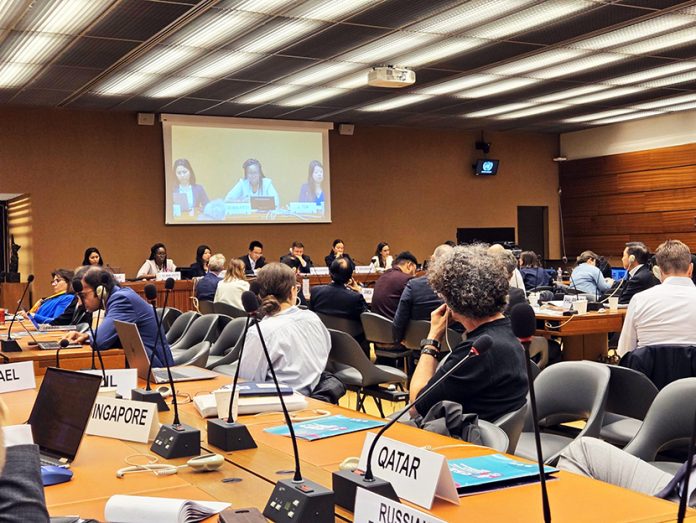
The Outer Space Security Conference in session

Space technology is important to everyday life. From transportation and electronic banking to enhanced agricultural production and disaster relief management, space technology and satellites are vital to modern living.

The African Union has even developed a Space Strategy to enhance socio-economic development on the continent.

Outer space is also being used for military purposes.  Militaries across the world use outer space and space technology for communications and intelligence.

Recently, its role in the Russia-Crimea conflict has raised controversy by highlighting how companies, such as SpaceX, may impact the ability of a country to utilise such technology to defend itself.

The Outer Space Security Conference 2024, hosted by the United Nations Institute for Disarmament Research (UNIDIR),was recently held in Geneva, Switzerland, to discuss some of the issues.

Discussions revolved around the connection between space security, safety and sustainability.It explored various critical topics, including threats to space systems and the global effort to prevent weapons being used in outer space.

The event gathered representatives from the diplomatic community, military experts, industry leaders, civil society and academia.

The Dean of the Law Faculty at the University of Cape Coast, Julia Selman Ayetey, Esq., participated in Panel II of the programme, entitled Space Security Dos and Don’ts – the Thresholds of Prohibited Action in Space.

Mrs Ayetey outlined complex international legal issues from military and commercial space operations.

She highlighted the growing involvement of companies in space operations and said, “Non-state actors must be considered in space security discussions.Commercial entities now play a major role in space operations”.

She pointed out ambiguities in the current legal framework around what would be considered a’use of force’in outer space and,having reiterated the importance of maintaining peaceful international relations, stressed the need to hold actors accountable when their actions cross legal boundaries.

Other experts on the panel included Dr Jinyuan Su, from Wuhan University in China,who emphasised the need for coordination between states to avoid escalation disputes and gaps in current international legal agreements and Andrey Belousov from the Russian Federation, who highlighted the absence of a ban on weapon placement in space as a critical gap, stressing the need for responsible behaviour and arms control.

Dr Erin Pobjie, from Essex Law School in England, also shared her perspective and pointed out the vulnerability of ground-based systems.

Outer space has the potential to be a source of conflict if clear norms and laws are not established.

The UNIDIR Outer Space Security Conference 2024 underscored the need for clearer international legal frameworks and cooperation to prevent negative geopolitical consequences on Earth.

Africa must take an interest in preventing space from becoming an environment for weapons since its use is needed for socio-economic development.

The Ghanaian Chronicle