The Federal Government has committed more than N10.5 billion to its Digital Training Academy (DTA), an initiative aimed at equipping 32,000 Nigerians with globally competitive digital and professional skills.
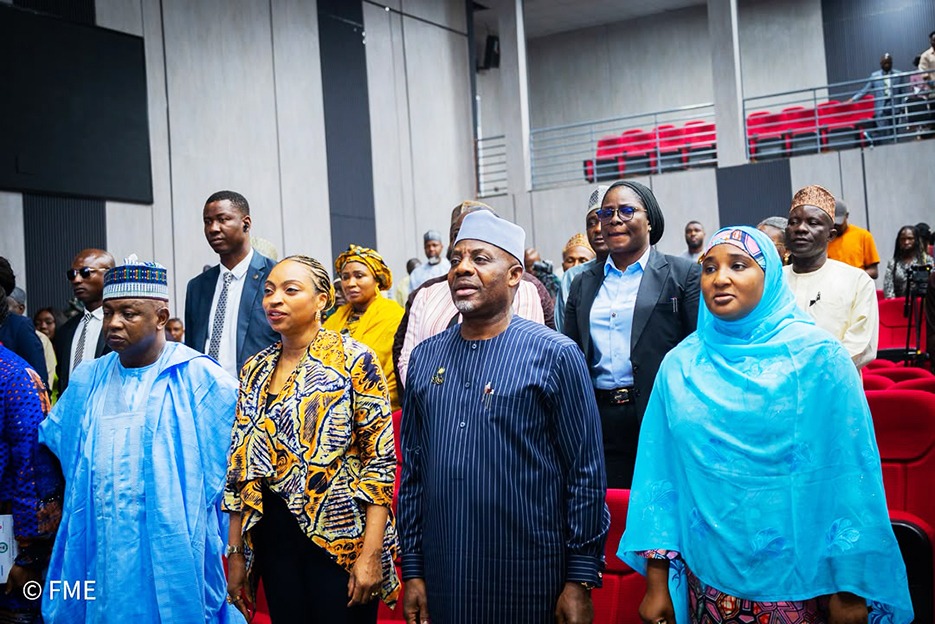
Minister of Education, Tunji Alausa, disclosed this on Monday in Abuja at the official launch of the academy.
Alausa said the programme was designed to bridge Nigeria’s digital skills gap, improve employability and prepare Nigerians to compete for opportunities in the global digital economy.
The initiative, implemented under the Nigeria Education Sector Renewal Initiative (NESRI), will provide beneficiaries with free access to training through global learning platforms, including Coursera and Pluralsight.
The training will cover high-demand areas such as Artificial Intelligence and Machine Learning, cybersecurity, cloud computing, software development, IT automation, fintech, product management, natural language processing and quantum computing.
According to the minister, the programme is aimed at moving beyond training and certificates by connecting learning and certification to employment, entrepreneurship and productivity.
“Our objective here is very clear: to bridge Nigeria’s skills gap, improve employability and enable more of our citizens to take part in the digital economy,” Alausa said.
He said the government had also established access centres across the country to support beneficiaries who may not have personal computers or reliable internet access.
The minister said the academy would complement other government skills-development initiatives, particularly the 3 Million Technical Talent (3MTT) programme and the National Talent Export Programme (NATEP).
He explained that Nigerians who had completed the 3MTT programme would have an opportunity to obtain globally recognised certifications through the Digital Training Academy, while NATEP could help connect skilled Nigerians with opportunities in the international labour market.
“This is how government programmes should work: together, not in silos,” Alausa said.
Credit: channelstv.com