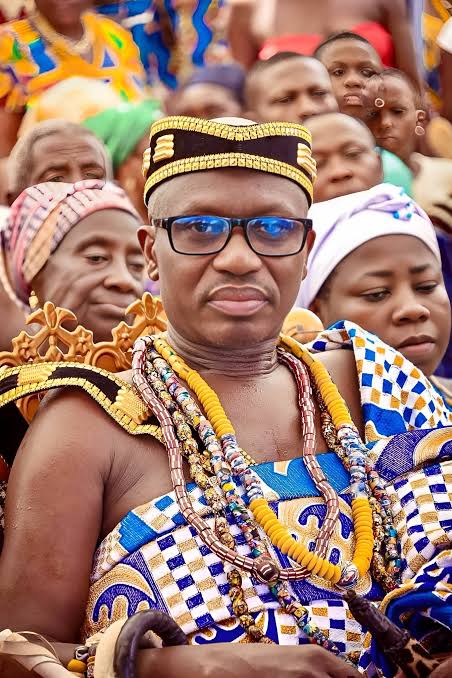
A prominent Ghanaian traditional and religious leader, Nene Dr Tiedjanhene Korabo IV, has called on African governments to invest in the rehabilitation and development of tourist centres to boost economic growth and increase the continent’s contribution to global tourism revenue.
He urged African leaders, particularly those in Ghana, to draw inspiration from Israel’s tourism model, where historic and religious sites have been preserved and developed into major attractions for international visitors.
Nene Korabo IV, Chief of Manyajopanya and Senior Asofoatse of Shia State, made the call following a 12-day visit to Israel as part of a delegation from the Voice of Christian Africa (VOCA).
In an interview after the trip, he said the experience had exposed the enormous economic opportunities available to countries that deliberately preserve their historical, religious and natural attractions.
He noted that several of the tourist destinations visited in Israel were rooted in ancient biblical history, but continued to attract visitors from across the world because of the country’s commitment to their preservation and promotion.
Among the sites visited were the birthplace of Jesus Christ in Bethlehem and the River Jordan, where Christians believe Jesus was baptised. He said Ghana had equally significant natural resources and historical attractions that could be developed into major tourism destinations if properly protected and managed.
Drawing comparisons between the River Jordan and Ghana’s rivers, including the Offin, Birim, Ankobra and Pra, he said the country’s water bodies could attract tourists if measures were taken to restore and maintain their cleanliness.
“We can protect our rivers and water bodies to become pure and attractive enough to draw tourism,” he said.
He, however, expressed concern about the destruction of rivers and forests through illegal mining, popularly known as galamsey, warning that the practice was undermining Ghana’s ability to harness its natural resources for tourism and economic development.
Israel’s tourism model
The delegation, which was based in Jerusalem, embarked on daily excursions from about 7 a.m. to 5 p.m. throughout the 12-day visit.
The places visited included the Sea of Galilee, the River Jordan, the tomb of Prophet Elijah, Samaria, the tomb of David, the house of Peter, Nazareth, the Church of King Solomon and Bethlehem.
Nene Korabo IV said the preservation of these destinations demonstrated how countries could turn their historical and religious heritage into sustainable sources of economic activity.
He called on the Ghanaian government to prioritise the development of tourist centres across the country, arguing that the sector had the potential to contribute significantly to national GDP through increased visitor numbers, investment and employment opportunities.
Traditional rulers urged to take initiative
The traditional leader, who was accompanied on the trip by the Queen Mother of Manyajopanya, Nana Nadukie Yongua, also praised the people of Israel for their commitment to preserving their traditions, culture and historical sites.
He urged traditional rulers in Ghana to emulate that approach by identifying and developing tourism attractions within their respective traditional areas.
According to him, traditional authorities should not leave tourism development entirely to the government but should take the initiative to identify cultural, historical and natural sites that could attract both domestic and international visitors.
He further encouraged traditional rulers to embrace Christianity as part of efforts to serve people of different religious backgrounds and promote peace, tolerance and unity within their communities.
Nene Korabo IV’s appeal comes amid growing calls for Ghana to maximise the economic potential of its tourism industry, particularly through the development of heritage sites, cultural attractions and natural resources
With its rich cultural heritage, historic landmarks and diverse natural attractions, Ghana has considerable opportunities to expand tourism as a source of foreign exchange, job creation and sustainable economic growth.
However, as Nene Korabo IV’s observations highlight, unlocking that potential will require deliberate investment, environmental protection and a stronger commitment to preserving the country’s heritage for future generations.