The government is targeting real Gross Domestic Product (GDP) growth of approximately eight per cent and unemployment below eight per cent by 2030 as part of efforts to consolidate economic recovery and attract long-term investment.
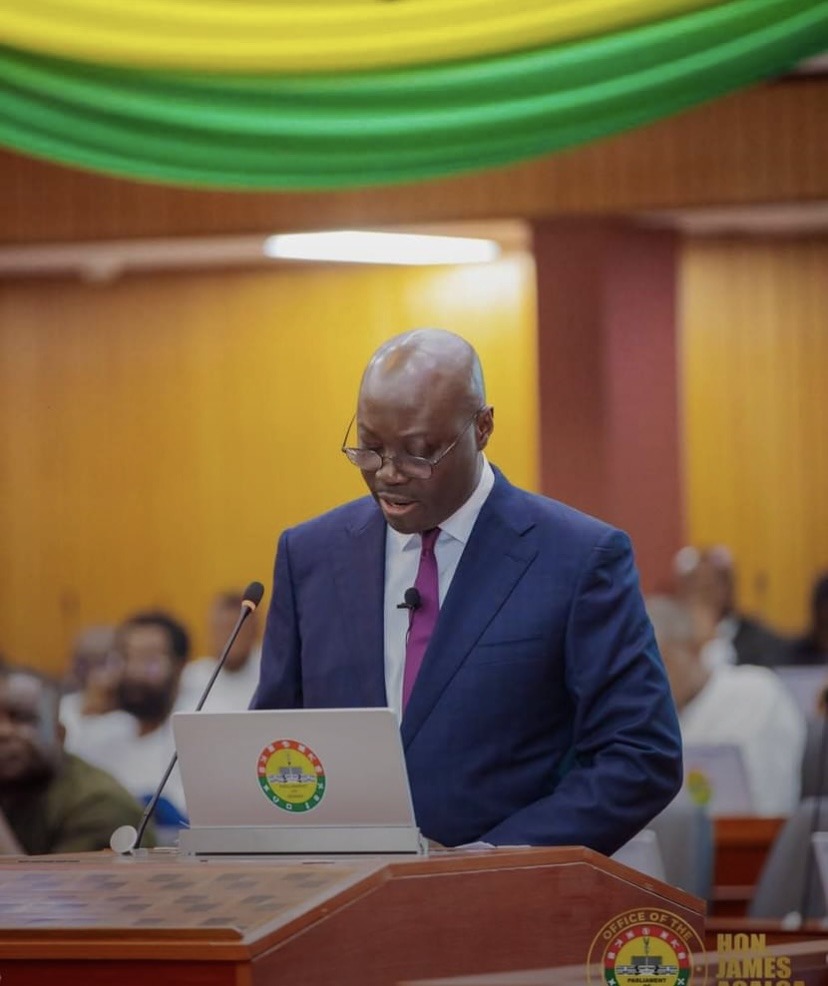
The Finance Minister,Dr. Cassiel Ato Forson, announced the targets while outlining the government’s New Economy Programme, a four-year economic transformation agenda scheduled to run from 2027 to 2030.
He said the government would seek to maintain single-digit inflation, strengthen external reserves and keep public debt consistent with a target of 45 per cent of GDP.
From 2027, the government also intends to maintain a primary budget surplus of at least 0.5 per cent of GDP.
Dr.Ato Forson said the measures were intended to protect the macroeconomic gains achieved in 2025 and create conditions for businesses to access cheaper financing and expand their operations.
According to him, inflation declined from 23.8 per cent to 5.4 per cent by the end of 2025, while the primary balance improved from a deficit of 4.1 per cent of GDP to a surplus of 2.5 per cent.
Public debt, he said, had fallen to 44.7 per cent of GDP, while gross international reserves increased to 5.7 months of import cover.
He argued that the improved indicators should translate into tangible benefits for households and businesses through greater economic certainty, investment and employment.
Investment-grade ambition
The government is also pursuing an investment-grade sovereign credit rating, which the Minister said must be achieved through sustained economic performance rather than political declarations.
To demonstrate progress towards the ambition, the government plans to publish an annual investment-grade readiness report covering fiscal performance, debt affordability, reserve accumulation, monetary credibility, financial sector strength, institutional quality and economic diversification.
The report is expected to provide an assessment of the country’s preparedness to attain investment-grade status.
Affordable financing
A major component of the government’s strategy is to reduce the cost of borrowing and improve access to long-term financing for businesses.
Dr. Forson said the government intended to bring the cost of capital into single digits to enable farmers, manufacturers and other businesses to obtain affordable credit.
The government will work through the Development Bank Ghana, Ghana Exim Bank and participating financial institutions to expand financing to productive enterprises.
Proposed interventions include credit guarantees, equipment leasing, export finance and patient capital to help viable businesses overcome financing constraints.
He said the measures would support businesses seeking working capital, machinery and funds to expand production.
The Minister maintained that lower borrowing costs would allow businesses to invest, expand operations and create employment opportunities.
Afo Forson also pledged to maintain fiscal discipline throughout the election cycle, with resources directed towards irrigation, energy, transport, industrial infrastructure, technology and other productive sectors.
The government says its broader economic strategy will move Ghana away from growth driven largely by commodity windfalls and debt-financed consumption towards investment-led, export-oriented and employment-intensive growth.
For more news, join The Chronicle Newspaper channel on WhatsApp: https://whatsapp.com/channel/0029VbBSs55E50UqNPvSOm2z