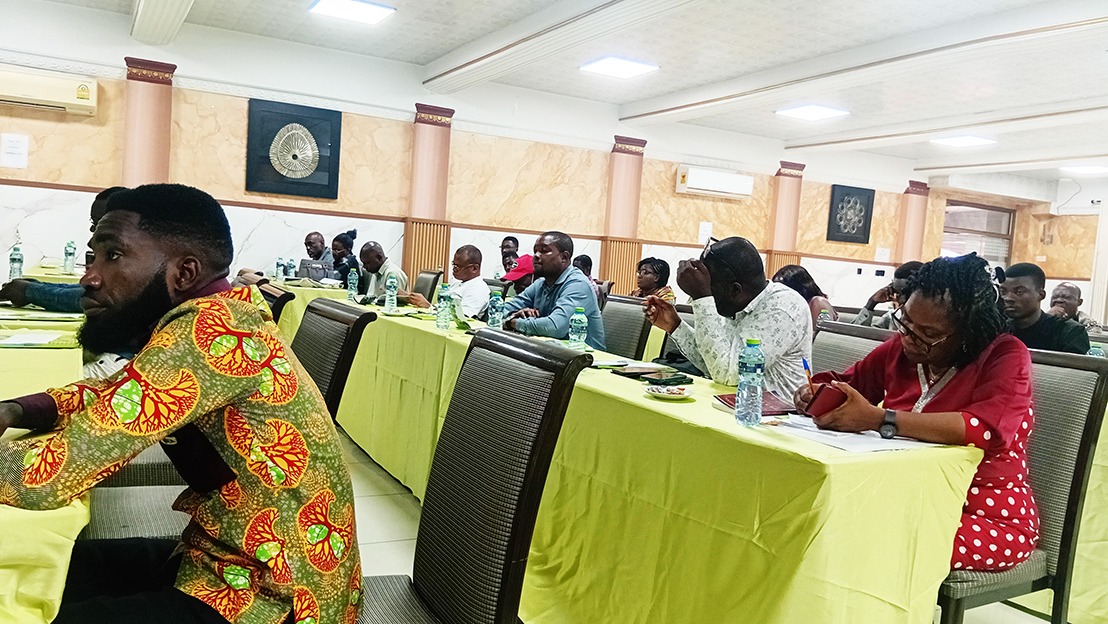
SEND Ghana has engaged civil society Organisations (CSOs) and citizens from across the country in a budget forum in Accra to collate proposals and concerns for consideration in Ghana’s 2027 National Budget.
The forum, held on Tuesday, October 13, 2026 was organised under the theme: “Shaping Ghana’s 2027 National Budget” and provided a platform for participants to identify development priorities in their communities and make demands they want the government to address through budgetary allocations.
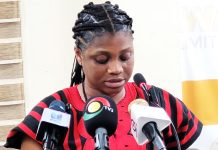
Country Director of SEND Ghana, Harriet Nuamah Agyemang, commended participants for responding to the invitation and urged them to contribute practical recommendations that would help ensure the national budget reflected the needs and aspirations of Ghanaians.
She noted that the Ministry of Finance usually invites inputs from relevant stakeholders and the general public through media advertisements ahead of the presentation of the annual budget.
Ms Agyemang explained that the forum was intended to bring together observations and concerns from districts and regions and translate them into proposals for consideration in the 2027 budget.
She said SEND Ghana would collate the contributions and present them to the relevant ministries to inform discussions on the consolidated national budget.
A presentation on the assessment of national development priorities under the Medium-Term National Development Policy Framework (2026–2029) examined how far key commitments were reflected in the 2025 and 2026 national budgets.
The assessment focused on health, education, social protection and water, sanitation and hygiene (WASH). It identified areas where existing allocations and interventions needed clearer targets, stronger implementation and better reporting of results.
In the health sector, the assessment highlighted concerns about the adequacy and distribution of resources, healthcare infrastructure, equipment and logistics, as well as equitable access to essential services.
On education, participants were encouraged to consider issues affecting early childhood education, teacher availability and deployment, teaching and learning materials, and infrastructure, particularly in underserved communities where gaps continue to affect access to quality education.
Social protection discussions focused on domestic violence and sexual and gender-based violence, including prevention, survivor support and response services. Under WASH, the priorities included reliable and sustainable water supply, water quality, maintenance of water facilities, hygiene promotion and effective management of waste.
The forum concluded with group work during which participants were tasked to identify priority issues, formulate specific demands and provide justifications to support their proposals.
The exercise was expected to help produce evidence-based recommendations that connect national development commitments to the everyday realities of citizens.
It was also to strengthen efforts to ensure that the 2027 National Budget responds to the country’s pressing development needs and also address the Sustainable Development Goals.
By Edmond Gyebi
For more news, join The Chronicle Newspaper channel on WhatsApp: https://whatsapp.com/channel/0029VbBSs55E50UqNPvSOm2z