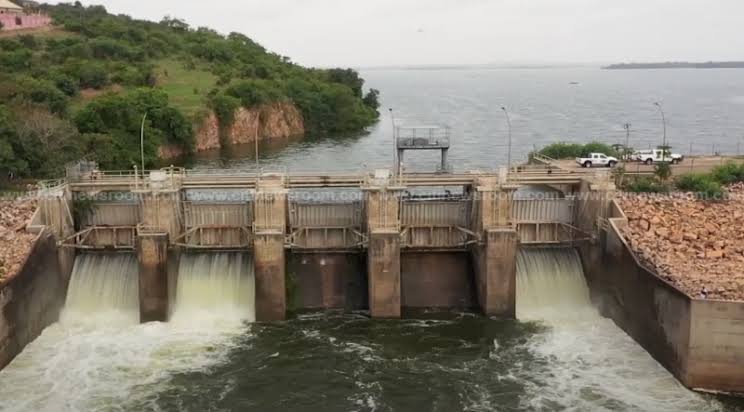
Ghana Water Ltd (GWL) has announced that it will resume spillage from the Weija Dam on Wednesday, September 9, 2026 as the water level approaches the dam’s 46-foot threshold.
Weija Dam is a dam on the Densu River which supports the main water treatment plant for Accra. It is operated by the Ghana Water Company. The dam supplies about 80 percent of the potable water for the entire city of Accra and its surrounding environs. There has been perennial flooding from the spillage of the dam that affects the surrounding areas.
In a statement dated September 7, 2026 the company said the water level had risen to 45.2 feet following heavy rains upstream and continued rainfall in the Densu River catchment and its tributaries.
GWL has directed residents living downstream of the dam to evacuate before any eventuality and urged them to remain alert, follow official directives and avoid activities that could expose them to danger. The communities identified as potentially affected include Tetegu, Oblogo, Pambros Salt, Lower McCarthy Hill, Lower Weija, Bojo Beach and Ada Kopey, among others.
The company has also called on NADMO, the District Assembly, traditional authorities, Assembly Members, resident associations and other stakeholders to prepare for evacuation. GWL has said it is closely monitoring the situation and will continue to provide updates, stressing that public cooperation is essential to protecting lives and property.
GWL has already proceeded with controlled spillage as a precautionary measure to protect the Weija Dam.
This is not the time for panic, neither is it the time for complacency. The immediate concern is the people living downstream. GWL has instructed residents to evacuate and has called on all stakeholders to prepare for the exercise.
Yet, disturbingly, some residents are reportedly refusing to leave. GWL says the authorities have given adequate notice and that the spillage will go ahead despite the reluctance of some people to relocate. The GWL Chief Manager and Head of Public Relations, Stanley Martey, has urged residents in unauthorised settlements along the river course to evacuate to prevent loss of life and property.
We understand the difficulty. People have homes. They have businesses. They have belongings they cannot simply abandon. Some may have nowhere to go. Others may have lived in these communities for years and may believe they have survived previous spillages and, therefore, can survive this one.
But the raging water from the spillage does not negotiate. In 2022, when the Weija Dam was spilled, residents in Weija, Tetegu, Oblogo and surrounding communities watched floodwater invade their homes and businesses. Some were stranded; others were forced to use canoes to move around. Several residents had nowhere to sleep after their homes were flooded.
If the authorities say an area is unsafe, leave first and return when it is safe.
There must also be a longer-term conversation about why people continue to occupy flood-prone areas and waterways. In 2022, NADMO said houses built on waterways around Weija-Gbawe would have to be demolished to preserve the dam’s water buffers.
The Weija Dam is an essential part of Accra’s water infrastructure. Controlled spillage may be necessary. What must not become necessary is another round of funerals, destroyed homes, displaced families and desperate appeals for relief.
For more news, join The Chronicle Newspaper channel on WhatsApp: https://whatsapp.com/channel/0029VbBSs55E50UqNPvSOm2z