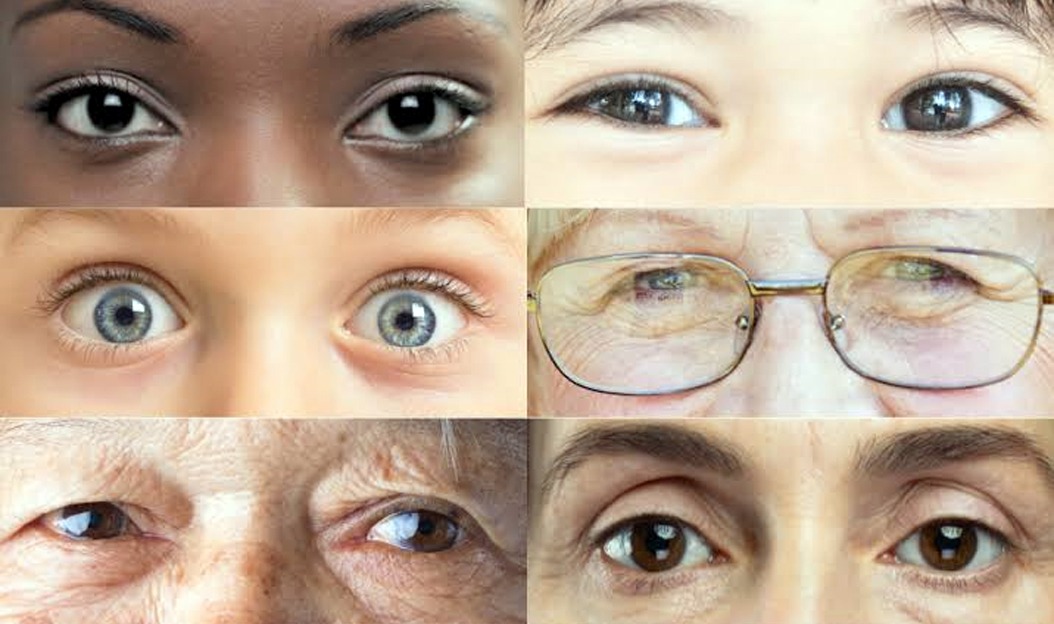
Most people have eye problems at one time or another. Some are minor and will go away on their own, or are easy to treat at home. Others need a specialist’s care.
Whether your eyes isn’t what it used to be, or never was that great, there are things you can do to get your eye health back on track.
See if any of these common problems sound familiar. And always check with a doctor if your symptoms are really bad or don’t clear up within a few days.
Eyestrain
Anyone who reads for hours, works at a computer, or drives long distances knows about this one. It happens when you overuse your eyes. They get tired and need to rest, just like any other part of your body.
If your eyes feel strained, give them some time off. If they’re still weary after a few days, check with your doctor to make sure it isn’t another problem.
Night Blindness
Is it hard to see at night, especially while driving? Is it tough to find your way around in dark places, such as movie theaters?
That sounds like night blindness. It’s a symptom, not a problem in its own right. Nearsightedness, cataracts, keratoconus, and a lack of vitamin A all cause a type of night blindness that doctors can fix.
Some people are born with this problem, or it might develop from a degenerative disease involving the retina, and that usually can’t be treated. If you have it, you’ll need to be extra careful in areas of low light.
Lazy Eye
Lazy eye, or amblyopia, happens when one eye doesn’t develop properly. Vision is weaker in that eye, and it tends to move “lazily” around while the other eye stays put. It’s found in infants, children, and adults, and rarely affects both eyes. Treatment needs to be sought immediately for infants and children.
Lifelong vision problems can be avoided if a lazy eye is detected and treated during early childhood. Treatment includes corrective glasses or contact lenses and using a patch or other strategies to make a child use the lazy eye.
Floaters
These are tiny spots or specks that float across your field of vision. Most people notice them in well-lit rooms or outdoors on a bright day.
Floaters are usually normal, but they sometimes can be a sign of a more serious eye problem, like retinal detachment. That’s when the retina at the back of your eye separates from the layer underneath. When this happens, you might also see light flashes along with the floaters or a dark shadow come across the edge of your sight.
If you notice a sudden change in the type or number of spots or flashes you see or a new dark “curtain” in your peripheral vision, go to your eye doctor as soon as possible.
Dry Eyes
This happens when your eyes can’t make enough good-quality tears. You might feel like something is in your eye or like it’s burning. Rarely, in severe cases, extreme dryness can lead to some loss of vision. Some treatments include:
- Using a humidifier in your home
- Special eye drops that work like real tears
- Plugs in your tear ducts to lessen drainage
- Lipiflow, a procedure that uses heat and pressure to treat dry eyes
- Testosterone eyelid cream
- Nutritional supplements with fish oil and omega-3
If your dry eye problem is chronic, you may have dry eye disease. Your doctor could prescribe medicated drops like cyclosporine (Cequa, Restasis), lifitegrast (Xiidra), or Tyrvaya nose spray to stimulate tear production.
Excess Tearing
It has nothing to do with your feelings. You might be sensitive to light, wind, or temperature changes. Try to protect your eyes by shielding them or wearing sunglasses (go for wraparound frames — they block more wind than other types).
Tearing may also signal a more serious problem, like an eye infection or a blocked tear duct. Your eye doctor can treat or correct both of these conditions.
Problems With Contact Lenses
They work well for many people, but you need to take care of them. Wash your hands before you touch them. Follow the care guidelines that came with your prescription. And follow these rules:
- Never wet them by putting them in your mouth. That can make an infection more likely.
- Make sure your lenses fit properly, so they don’t scratch your eyes.
- Use eye drops that say they’re safe for contact lenses.
- Never use homemade saline solutions. Even though some lenses are FDA-approved for sleeping in them, doing so raises the risk of a serious infection.
Credit: webmd