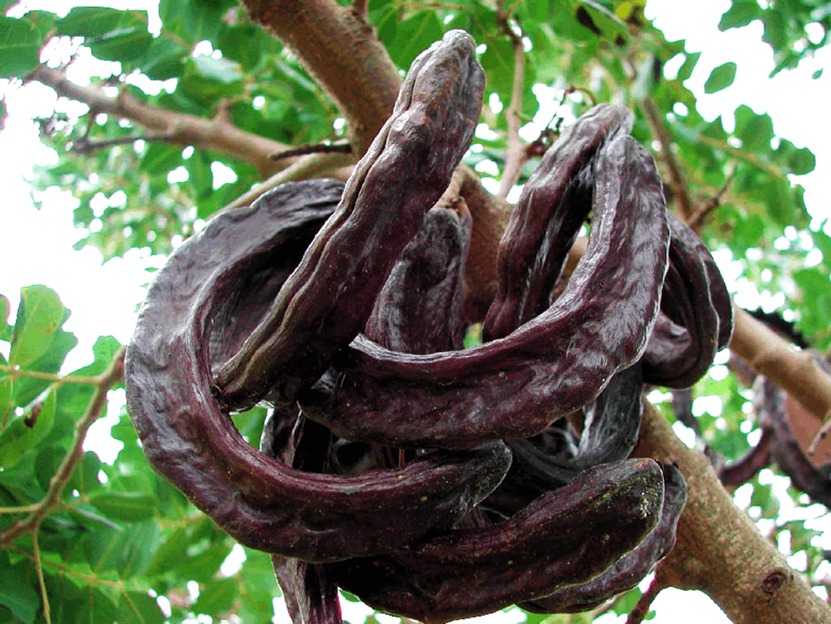
Prekese, also known as Tetrapleura tetraptera, is a plant native to West Africa, particularly prominent in Ghana, Nigeria, Cote d’Ivoire, and Senegal. It is a small, dark-brown fruit with a distinctive wrinkled appearance. The fruit’s unique and pungent aroma is often described as a combination of cloves, nutmeg, and pepper.
Benefits
- Antioxidant Properties
Prekese is packed with antioxidants, including flavonoids and tannins. These antioxidants help combat oxidative stress by neutralising harmful free radicals in the body. Reduced oxidative stress is linked to a lower risk of chronic diseases like cancer and heart disease.
- Anti-Inflammatory Effects
Some studies suggest that Prekese may possess anti-inflammatory properties, which could help reduce inflammation-related health issues. Chronic inflammation is associated with several diseases, including arthritis and certain cardiovascular conditions.
- Digestive Health
The dietary fibre in Prekese supports digestive health by promoting regular bowel movements and preventing constipation. It may also aid in maintaining a healthy gut microbiome.
- Blood Sugar Regulation
Prekese has been traditionally used to manage blood sugar levels. Some research indicates that it may help improve insulin sensitivity and reduce blood sugar spikes, making it potentially beneficial for individuals with diabetes.
- Cardiovascular Health
The minerals like potassium, calcium, and magnesium found in Prekese are essential for heart health. These minerals help regulate blood pressure and maintain proper cardiac function, reducing the risk of hypertension and heart disease.
- Immune Support
Prekese contains vitamin C, which is known to support the immune system by boosting the production of white blood cells and strengthening the body’s defence against infections.
- Weight Management
The fibre in Prekese can promote a feeling of fullness, which may aid in appetite control and weight management by reducing overall food intake.
- Aid in respiratory health
In traditional medicine, Prekese has been used to alleviate symptoms of respiratory conditions like asthma and bronchitis due to its potential anti-inflammatory and soothing properties.
- Anti-Microbial Properties
Some studies suggest that Prekese extracts may exhibit antimicrobial activity against certain bacteria and fungi, which could be beneficial in combating infections.
- Skin Health
The vitamin A content in Prekese supports skin health by promoting cell regeneration and maintaining healthy skin tissues.
- Inhibits bacterial growth
According to research, the prekese plant’s alcohol and water extracts can kill Staphylococcus aureus. Prekese also aids in reducing bacterial growth by containing tannins and glycosides.
- Acts as Mosquito Repellant
The plant has a potent scent, which makes it effective at keeping mosquitoes away. The essential oils found in prekese are thought to be responsible for its effects.
- Wound Healing Properties
Wound-healing compounds are present in the prekese plant’s moist extract. According to research, 200 mg/ml of plant extract is a more efficient concentration for healing wounds than greater concentrations.
- Postpartum Care
For postpartum mothers, Prekese has shown to be quite useful. When added to soups, the plant pod can aid in preventing constriction. Additionally, prekese, which is high in calcium, iron, and potassium, can assist postpartum women in replacing the nutrients they’ve lost.
Prekese soup is thought to promote milk production in nursing women and help with blood replenishment.
- Management of Convulsion
The stem, fruit, and leaves of the prekese are used for creating herbal concoctions in folk medicine. This can help to manage convulsions. Studies reveal that the plant aqueous extract leads to anticonvulsant activities and affects the central nervous system.
How to Use Prekese
Prekese can be used in various ways in cooking and traditional medicine. Here are some common ways to use Prekese:
- Flavouring Soups and Stews: Prekese is frequently used in West African cuisine to add a unique and aromatic flavour to soups, stews, and sauces.
Simply add a few pieces of dried Prekese to your cooking pot when preparing these dishes. The fruit’s strong aroma and flavour will infuse into the meal, enhancing its taste.
- Making Prekese Tea: To make Prekese tea, you can break or crush a small piece of dried Prekese and steep it in hot water. This aromatic tea is not only flavourful but also believed to have potential health benefits. You can sweeten it with honey or sugar if desired.
- Spice Blends: Grind dried Prekese into a powder and incorporate it into spice blends or rubs for meats, poultry, or seafood. It adds a unique depth of flavour to your dishes.
- Infused Water or Drinks: Add a piece of dried Prekese to a pitcher of water or a beverage of your choice for a subtle infusion of flavour. It’s a refreshing way to enjoy the taste and potential health benefits of Prekese.
- Smoothies and Juices: You can also incorporate powdered Prekese into your smoothies or fresh fruit juices. It not only adds flavour but also provides potential health benefits. Start with a small amount and adjust to your taste preferences.
- Traditional Remedies: In traditional medicine, Prekese is used to prepare herbal remedies for various ailments. It may be included in decoctions or infusions to treat conditions like coughs, colds, and digestive issues. However, it’s essential to consult with a traditional healer or healthcare professional before using Prekese for medicinal purposes.
Credit: niyis.co.uk