Mr Abel Ndego, the Acting Upper East Regional Head of the Food and Drugs Authority (FDA), says non-edible food for human beings should not be given to animals. He explained that per the FDA’s regulations, “Anything that humans cannot eat, animals cannot also eat.
“So, if you are going to engage in any food production, it must be fit for both animal and human consumption.”
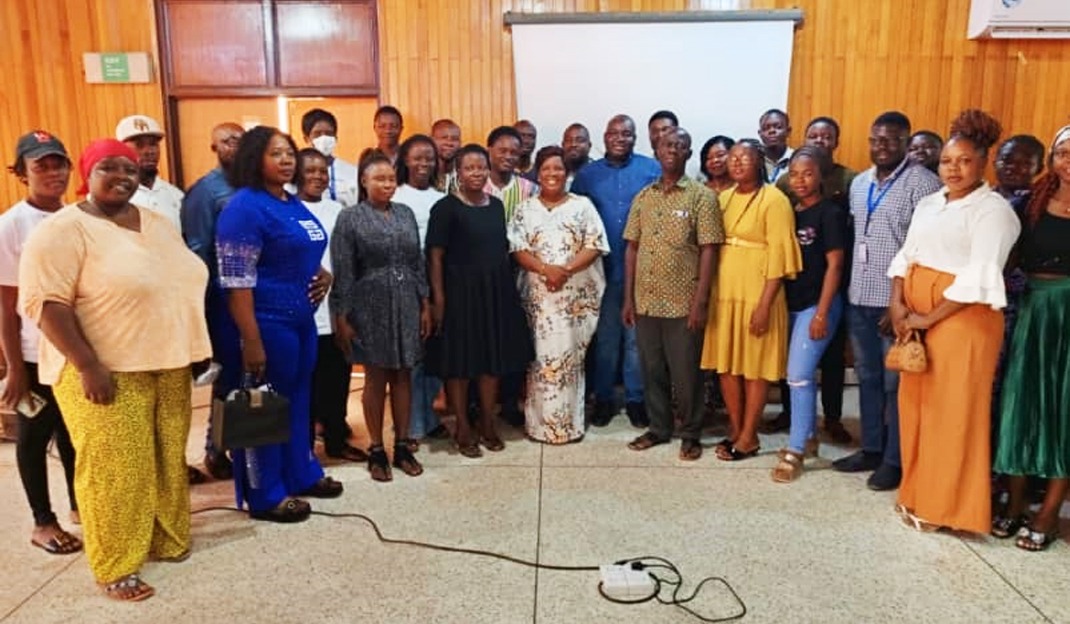
Mr Ndego said this at a training programme on food hygiene for restaurants and hotel operators across the Region.
Apart from the operators, the FDA also organised a separate training session for ‘chop bar’ and canteen operators, which afforded officials of the Authority the opportunity to school them on the FDA’s regulations and safety protocols.
Mr Ndego observed that some members of the public gave unwholesome food to animals saying, “Most of us feel that when food is spoiled, then we give it to animals to eat. Remember that when the animals eat, they become meat again for us to consume, and their bio-system can accumulate toxins. So, though the spoiled food is not eaten directly, it is transferred to the animals and eaten by humans in another form,” he said.
Mr Ndego insisted and reiterated that “We need to understand that food that cannot be eaten by humans, automatically should not also be eaten by animals because it will still get back to us, and we will suffer exactly what we are running away from.”
He further told participants that ideally, food served at functions such as weddings, naming ceremonies and funerals among other occasions must be FDA regulated, and explained to the participants that, “because you will be exposing masses to your food, if for any reason there is problem with the food, you can imagine the number of lives that we will lose,” he said, and admonished members of the public to deal with accredited facilities such as restaurants and hotels if they needed food services to be provided for them at occasions.
“Like you participants here are under FDA regulation. So, if somebody contracts you to provide food for them at a funeral or workshop, we have confidence that you have been trained and know what you are about, so our expectation is that you will provide safe food for the people.
“That is why these trainings are very important. We will make sure that all participants would be given certificates of participation,” Mr Ndego said.
He said public health and safety was a collective responsibility, and called on restaurant operators, food vendors, drinking spot operators among others who offer food and drinks to members of the public to strictly adhere to health and safety protocols in their operations.
Ms Joyce Agana, a Principal Regulatory Officer of the FDA, who schooled participants on the relationship between food and disease, urged them to store food according to manufacturer’s manual.
She encouraged them to keep their facilities, especially kitchens, refrigerators and utensils neat and protected from cockroaches, rats and other animal invasion, noting that most food borne illnesses were preventable with proper food handling and personal hygiene practices.
Some participants, in an interview with the Ghana News Agency (GNA), commended management and staff of the FDA, under the leadership of Mr Ndego for the regular and consistent training sessions and market surveillance activities undertaken by the Authority in the Region to keep members of the public safe.
Madam Alice Nartey, the Manager of Ex-Tee Crystal Hotel in the Bolgatanga Municipality, said “The training is a very good one. It puts us on our toes. We got to know the dos and the don’ts of our business.
She told the GNA in an interview that “At times, we think we know, but when we listen to the regulators, we get to know better and also able to advise our staff to comply with the laws.”
From Godfred Aaneamenga Polkuu, Bolga
GNA